
User Experience (UX) and Interface (UI) Design – Modern & Smooth Interfaces
DGTLFACE is a creative & technology partner that makes your brand’s digital face modern, intuitive, and conversion-driven through UI/UX design. For us, UI/UX is not just “designing screens”—it’s aligning processes like user experience design, interface design services, UX analysis, wireframing, and prototyping directly with your business goals. Across websites, booking systems, corporate panels, landing pages, and tourism-focused mobile apps, every screen we design is guided by one question: “What does the user want to do here, and how can we help them achieve it in the shortest, clearest way?” Result: not interfaces that only look good, but digital experiences that are truly used, understood, and generate conversions.
What Is UI/UX Design, and Why Is It So Critical?
- UI (User Interface) → what users see: screens, buttons, colors, typography, and visual hierarchy.
- UX (User Experience) → how users move: journey, number of steps, friction points, and satisfaction.
- can’t find what they need,
- get lost during booking/forms,
- can’t tap buttons on mobile,
- can’t reach communication channels easily,
Summary
DGTLFACE rethinks websites, booking interfaces, dashboards, and panels with user research, UX analysis, wireframes, Figma prototypes, and mobile-ready UI kits. Especially in hotel and tourism projects, we optimize booking flows, room selection, price clarity, and multilingual user experience. Designs are developed in alignment with website development and SEO teams to increase conversion and user satisfaction.
User-Centered Design Principles
UI/UX Design for Hotels and Tourism Brands
- presents rooms, packages, campaigns, and destination content in clear blocks without exhausting the user,
- builds booking flows (date, guests, room selection, extras, payment routing) with the fewest possible steps,
- ensures the interface works consistently with the PMS and booking engine (PMS-aligned UI),
- designs mobile interfaces with large touch targets suitable for one-hand use,
- connects reviews, photo galleries, location, and key amenities into a strong UX flow.
UI/UX Design Process: Analysis → Wireframe → Design → Prototype
Understanding the User
UX Analysis and Research
- We identify friction points via Google Analytics / GA4 (high exits, low conversion steps),
- We review strong/weak patterns through competitor and benchmark analysis,
- We collect user feedback and internal observations.
UI/UX Design for Websites
- corporate websites,
- hotel & tourism websites,
- campaign and product/service landing pages.
- homepage flow,
- service/room detail pages,
- contact & booking pages,
- blog/content pages.
DGTLFACE UI/UX Design Service Details
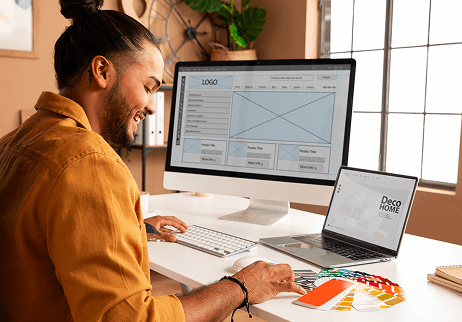
Define Clear Goals
Design a Smooth User Journey


Intuitive Interface Design
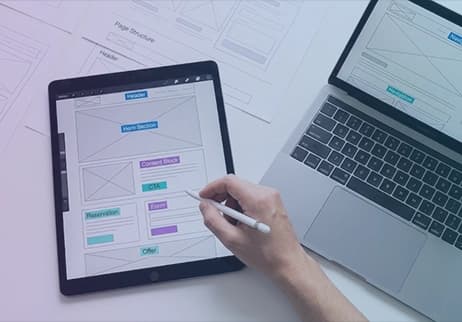
Wireframes and Information Architecture
- What goes where?
- In which order will the user see information?
- Where do CTAs (booking, form, quote) live?
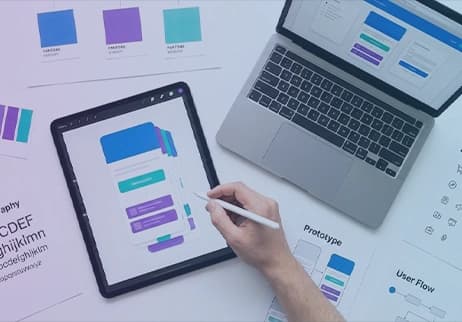
UI Design and Prototyping
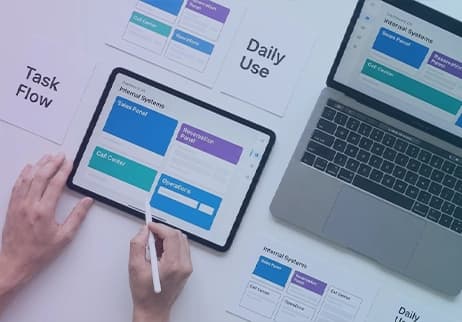
UX Design for Dashboards, Panels, and Internal Systems
- sales teams,
- booking and call center teams,
- operations management
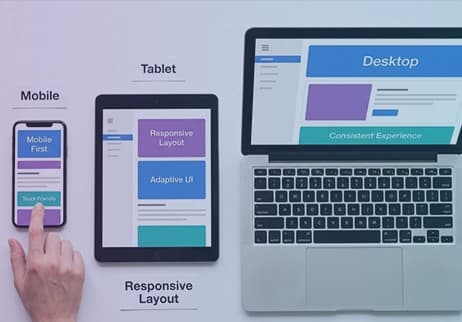
Mobile-Ready and Responsive UI Design
- use a mobile-first approach,
- plan layouts for breakpoints (phone, tablet, desktop),
- design buttons, forms, and menus for mobile ergonomics,
- follow responsive web design principles.
Why UI/UX Design with DGTLFACE?
Design + Development + Performance Under One Roof
Antalya-Based UX Intelligence for Tourism and Service Brands
- has delivered many projects for hotels, resorts, villa brands, agencies, and service-focused businesses,
- has experience with behavior differences across markets (DE, RU, UK, TR),
- turns that experience into direct UI/UX decisions.
UX Integrated with Booking, PMS, and Digital Sales Processes
- booking & channel operations via OTA management,
- ad traffic via ad management and SEM,
- phone/message traffic via call center services,
Micro Layer
How to Build a Corporate Website
- Strategy & goal setting (brand, target audience, objectives),
- Information architecture & UX plan,
- UI design process,
- Development & integrations (Next.js, CMS, PMS, CRM…),
- Testing (devices, browsers, speed, SEO),
- Launch & monitoring (reporting, maintenance, updates).
How Should Corporate Website Pricing Be Set?
- Page count and content scope,
- The level of custom design,
- Technology stack (Next.js vs theme-based systems),
- Integrations (PMS, CRM, booking, payment, APIs),
- Multi-language requirements,
- Maintenance & support scope.
PMS-Integrated Website – What to Watch Out For?
- UX and design consistency between site and booking engine,
- Domain/subdomain decisions (SEO impact),
- Cross-domain analytics and conversion tracking,
- Accurate and up-to-date room/price feeds,
- Price & stock balance vs OTAs
Tips for a Multi-Language Corporate Website
- URL structure (domain.com/tr, /en, /de…),
- Correct hreflang implementation,
- Localized content (rewriting for market—not literal translation),
- Language switcher UX,
- Different CTAs and messaging for different markets
DGTLFACE Hakkında Questions
Take a quick look at the most common questions about UI and user experience.
Before deciding on booking flows, mobile-first structure, and user experience, review the UI & UX design FAQ page.
This information is compiled from DGTLFACE Creative & Web team documentation on UI/UX design workflows, hotel booking interfaces, Figma projects, and digital experience design.