
SEO Performance Reporting and Analysis – Optimize Your Organic Insights
With its SEO reporting and performance analysis services, DGTLFACE is an SEO analytics partner that turns your organic traffic, keyword rankings, and page-level performance into clear, readable, and action-driving insights. Using Google Search Console, Google Analytics 4, keyword tracking tools, and Looker Studio dashboards, we don’t only show “how many clicks you got”—we show which page produces how much business for which query. We address needs such as “SEO analysis service, organic traffic report, SEO performance measurement, keyword tracking, SEO dashboard” through a trio of recurring reporting + interpretation + action plan. Our goal is to take SEO out of the “black box” and turn it into a fully data-driven channel.
What Is SEO Reporting, and Why Is It More Than a Ranking Table?
- Organic traffic volume and quality,
- Keyword rankings and changes,
- Landing page performance,
- Click-through rates (CTR) and impressions,
- Technical health (Core Web Vitals, crawl errors),
- Conversion and revenue impact
Summary
DGTLFACE consolidates all organic data into a single panel by combining Google Search Console, GA4, keyword tracking tools, and Looker Studio dashboards for SEO reporting and performance analysis. Traffic, rankings, page-level performance, CTR, technical health, and conversion/revenue metrics are analyzed together. Especially for hotel and tourism brands, SEO strategy is optimized based on data by tracking the impact on organic bookings, occupancy, and RevPAR.
Organic Traffic Reporting and User Behavior Analysis
- Comes from which queries,
- Lands on which pages,
- Stays for how long,
- Views how many pages,
- Contributes how much to conversions.
- GA4 metrics such as organic sessions, users, new users, and pages per session,
- Search Console data such as impressions, clicks, CTR, and rankings,
- Landing page reports,
- Conversion data (form, booking, lead)
Keyword Tracking and Ranking Monitoring
- Segments primary, secondary, long-tail, and niche queries separately,
- Tracks branded and non-branded queries in separate sets,
- Reads desktop vs. mobile rankings separately,
- Reports country/region-based rankings (especially critical in tourism).
Page-Level SEO Performance – Which Page Does What Work?
- Pages with the most traffic,
- Pages generating the most conversions,
- Pages with high impressions but low clicks (low CTR),
- Pages with strong rankings but low conversion output
SEO Reporting for Hotels and Tourism Brands
- How much traffic destination + concept queries bring,
- Which markets (country/language-based) drive organic visits,
- The relationship between blog/destination content and room/booking pages,
- The balance of brand search demand between your OTA pages and your website
SEO Dashboard Design with Looker Studio
- Connect Search Console, GA4, keyword tracking, and when needed PMS data,
- Create executive summary cards (traffic, conversions, top 10 pages/keywords),
- Build detailed tables for the SEO team (query-level, page-level, device/country-level),
- Turn needs like “SEO dashboard, digital performance panel, SEO analysis template” into a live panel accessible via a single link.
DGTLFACE SEO Reporting Service Details
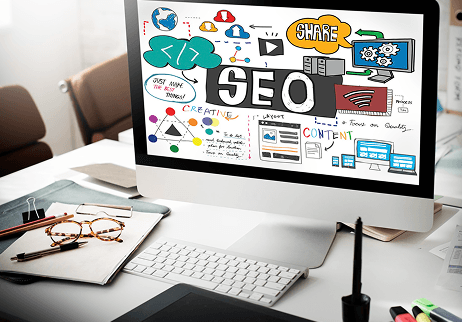
SEO Analysis Service – A Full Performance Snapshot
- Organic traffic & ranking trends,
- Technical SEO status,
- Content SEO,
- Local SEO signals,
- Backlink & authority status
SEO Performance Measurement and KPI Set
- Organic sessions and users,
- Branded vs. non-branded traffic share,
- Total conversions and organic-channel conversions,
- Rankings across key keyword sets,
- Top landing page performance,
- Core Web Vitals status


Keyword Tracking and Segment-Based Reporting
- Revenue-driving service/product queries,
- Informational & guide-content queries,
- Brand & navigational queries,
- Long-tail opportunity queries,
- Newly targeted niche queries
Why SEO Reporting & Performance Analysis with DGTLFACE?
A Partner That Produces Interpretation and Action—Not Just Numbers
- Turns numbers into summaries and narratives,
- Explains the reasons behind period changes (algorithm updates, technical issues, content additions/removals, increased competition, etc.),
- Always provides clear action items on the last page.
A Structure That Connects SEO, Ads, and Sales Data
Antalya-Based SEO Analytics Focused on Tourism and Service Businesses
- Hotels and tourism brands,
- Service and B2B businesses,
- Multilingual sites and export-focused structures
Micro Layer Areas That Deepen SEO Performance Analysis
Why Does Organic Traffic Drop, and How Do You Diagnose It?
- Algorithm updates,
- Technical issues (indexing, speed, server),
- Content losses or removed pages,
- Competitors getting stronger,
- Changes in branded search demand
Must-Have Cards in an SEO Dashboard
- Total organic sessions & user trend,
- Top 10–20 organic landing pages,
- Top 10–20 queries (Google Search Console),
- Branded vs. non-branded traffic share,
- Conversion count & rate (organic channel),
- Technical health/key indicators (e.g., Core Web Vitals, number of error pages).
The Relationship Between Organic Traffic and Occupancy for Hotels
- Matches changes in organic traffic and bookings during specific campaign and season periods,
- Analyzes which destination & concept queries contribute more to occupancy growth,
- Combines these insights with PMS and sales reports (/Services/digitalAnalysis/digitalSalesAnalysis).
Turning SEO Reporting Into More Than a Monthly “Formality”
- A PDF that arrives at month-end,
- Crowded tables nobody fully reads,
- An “assignment” that produces no actions.
- Live dashboards,
- Short but clear summaries,
- Monthly review meetings with business units,
- A process where action items are tracked in the next report
DGTLFACE Hakkında Questions
See the most common questions about SEO reporting and performance analysis at a glance.
Before deciding on SEO dashboards, visibility tracking, and KPI interpretation, review the SEO Reporting & Performance Analysis FAQ page.
This information is compiled from DGTLFACE Digital Marketing & Technology Partner’s official documentation and project experience describing SEO reporting, Looker Studio dashboards, and organic performance analysis processes.