
Social Media Analytics and Reporting – Measure Performance Correctly
With DGTLFACE’s social media analytics and reporting service, you can clearly see what results your efforts actually deliver across Instagram, Facebook, YouTube, TikTok, and other platforms. We don’t only track “how many likes did we get?”—we follow end-to-end metrics such as reach, engagement, saves, shares, profile visits, clicks, DMs, WhatsApp, forms, and reservations. We combine needs like “social media reporting, engagement analysis, reach report, Instagram analytics tool, KPI reporting” with Looker Studio dashboards, monthly reports, and action plans—turning social media into a channel managed with data.
What Is Social Media Analytics? Why Is It Critical?
- Understanding which content types (post, carousel, Reels, story) drive which results, To turn these insights directly into production decisions, we also connect the process with Content Production
- Identifying which days/hours and formats perform best,
- Seeing which audience segments (country, age, gender, interests…) respond better,
- Analyzing how organic and paid campaigns influence each other,
- Detecting which actions (content type, tone, campaign) trigger drops in engagement or reach.
Summary
In DGTLFACE’s social media analytics and reporting service, we look beyond likes and follower counts. We track reach, engagement rate, saves, clicks, profile visits, DMs, WhatsApp actions, and reservations as core KPIs. We unify Instagram, Facebook, TikTok, and YouTube data in Looker Studio dashboards; and for hotels and tourism brands, we segment results by season, destination, and room/service categories—optimizing content and ad strategies with concrete data.
How Do We Prepare a Social Media Performance Report?
- We first restate goals and KPIs (see planning & strategy),
- Then we summarize period performance (reach, engagement, followers, clicks, conversions),
- Break down results by content type (post, carousel, Reels, story),
- Show the relationship between paid campaigns and organic content, To evaluate that paid layer more directly, we also connect this reporting flow with Social Media Ads .
- And close with a clear list: “what do we increase next month, what do we reduce?”
KPIs and Metrics: What Do We Measure?
- Awareness: reach, impressions, follower quality (bot vs. real), brand searches
- Engagement: likes, comments, saves, shares, replies, story views
- Traffic: link clicks, sessions from social traffic
- Conversion: DMs, WhatsApp, forms, reservations, sales
Social Media Reporting for Hotels and Tourism Brands
- Which market (country/language) responds best to which content,
- How Reels + photography + campaign content affects reservation demand,
- Performance of early booking, high season, and last-minute campaigns,
- Post-campaign shifts in website traffic and call center activity
Social Media Dashboard Design with Looker Studio
- Instagram & Facebook native metrics,
- Meta Ads results,
- Social-media-driven traffic from Google Analytics / GA4,
- And if needed: PMS / reservations / call center data
DGTLFACE Social Media Analytics & Reporting Service Details
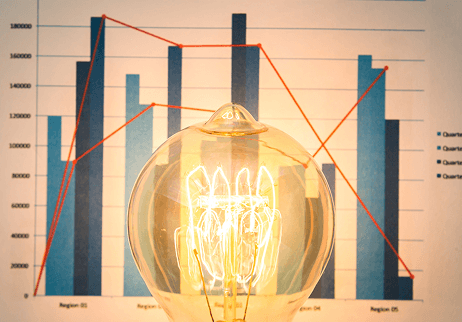
Social Media Reporting – Core Framework
- Platform-level tables and charts (Instagram, Facebook, TikTok, YouTube),
- Format-level performance breakdowns (post, carousel, Reels, story),
- Campaign-level results (early booking, launch, Campaign X),
- Audience-level analyses (country, age, gender, interests),
- Conversion-level metrics (DM, WhatsApp, forms, sales, reservations)
Engagement Analysis – Not Likes, Deep Engagement
- Save and share rates,
- Comment volume and comment quality,
- Story reply/interaction behavior,
- Reels view, completion, and rewatch rates


Reach Reports and Reach Growth Methods
- Reports organic reach and paid reach separately,
- Evaluates non-follower reach rate (new audience expansion potential),
- Analyzes how content formats, hashtags, posting times, and platform changes impact reach.
Why Social Media Analytics & Reporting with DGTLFACE?
Reports That Explain Not Only “What Happened?” but “Why It Happened and What to Do Next”
- What happened? (data)
- Why did it happen? (insight)
- What should we do? (action items)
A Connected System Linking Strategy, Content, Ads, and Reporting
Antalya-Based Social Media Analytics for Tourism and Service Businesses
- Occupancy and reservation data for hotel social reporting,
- Seasonal performance shifts for tourism brands,
- Campaign and peak-demand periods for local service businesses
Micro Layer
Why Does Instagram Engagement Drop?
- Algorithm changes,
- Unbalanced format mix (only static posts instead of Reels),
- Too many promo/discount posts (overly sales-heavy content),
- Lower follower quality (bots / giveaway-driven followers),
- Irregular posting times and frequency.
What Should a Monthly Social Media Report Look Like?
- A summary dashboard (most critical KPIs), platform & format-based performance,
- A list of best-performing & weakest-performing content,
- The relationship between paid and organic results,
- Conversion metrics (DM, WhatsApp, forms, reservations, sales),
- Action recommendations for the next period
What Should Be Included in a Hotel Social Media Dashboard?
- Market-level performance (DE, RU, UK, domestic…),
- Engagement by content type (rooms, pool, restaurant, experience, destination),
- Performance comparisons across seasonal periods,
- Social → website traffic → reservation conversion,
- Campaign-level analyses (early booking, holidays, high season)
Updating the Content Strategy with Reels Performance Analysis
- Tracks views, completion, saves, and share rates,
- Identifies Reels that trigger the most profile visits and DMs,
- Recommends increasing proven formats and reducing weak ones.
DGTLFACE Hakkında Questions
See the most common questions about analytics and reporting at a glance.
Before deciding on social media analytics, Reels performance, and KPI tracking, review the Analytics & Reporting FAQ page.
This information has been compiled from DGTLFACE Digital Marketing & Technology Partner’s documentation on social media analytics & reporting, Looker Studio dashboards, and tourism-focused SMM performance management.