
Hotel Channel Management – Pricing, Inventory, and Sales Optimization
- Your pricing stays under control everywhere,
- Your inventory stays clear,
- Lower overbooking risk, higher occupancy,
- Your teams work in one system—not by asking “what is each channel saying?”
What Is Channel Management and Why Is It Essential for Hotels?
- Lets you manage rates and availability across all OTAs and online sales channels from one panel,
- Works in sync with your PMS,
- Reduces manual mistakes through automatic synchronization,
- Lets you apply your pricing strategy across channels quickly and accurately.
Summary
With channel management, DGTLFACE sets up the PMS + Channel Manager + OTA triangle to synchronize hotel pricing and inventory across all sales channels. Booking, Expedia, Agoda, website booking engine, and call center are managed from a single panel; rate & inventory sync reduces overbooking risk, market-based pricing strategies are applied, and occupancy–revenue performance is optimized. Separate channel strategies are designed for resort and boutique hotels.
Rate Management – Market-Based Strategy and Room Revenue
- We position your PMS (PMS setup) as the single source of truth for rates,
- We define the core pricing strategy for each channel (Booking, Expedia, direct web, call center),
- If you need market-based pricing (different policies for different countries/segments), we design it with a controlled model,
- We define channel-level rate and discount structures for campaign and seasonal periods (early booking, high season, last-minute),
- We bring topics like OTA pricing strategies, tourism pricing management, hotel occupancy growth under one revenue management framework.
Inventory Synchronization – Reduce Overbooking Risk
- Connecting room inventory as a single source in the PMS,
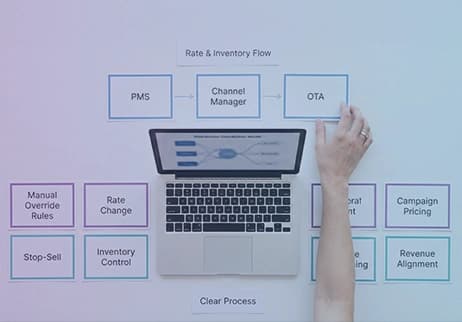
- Designing a one-direction, controlled flow: PMS → Channel Manager → OTA,
- Defining clear rules if channel-level allocation is needed (e.g., reserving some rooms only for direct bookings),
- Recommending buffer/quota strategies for critical periods (holidays, festivals, congresses, high season) to minimize risk.
How Does a Channel Manager Work? How Do You Build the Right Model?
- Room and rate data flows from the PMS to the channel manager,
- The channel manager distributes it to all connected OTAs/channels,
- New reservations from OTAs flow back to the PMS via the channel manager, To make sure this flow is handled correctly by the team, it should also be aligned with Reservation Management .
- Price changes, occupancy controls, stop-sell actions are managed from a single panel.
Custom Channel Management Scenarios for Resort and Boutique Hotels
DGTLFACE Channel Management Service Details
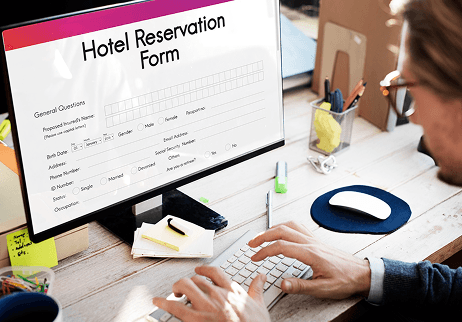
How a Channel Manager Works (Operating Logic)
- Room and rate data flows from the PMS to the channel manager,
- The channel manager distributes this data to all connected OTAs/channels,
- New reservations from OTAs flow back to the PMS via the channel manager,
- Price changes, occupancy controls, stop-sell actions are managed from a single panel.
PMS–OTA Alignment and Role Definition
- The PMS is the single source of truth for rate and inventory,
- The channel manager is only the distribution bridge,
- OTAs are passive receivers for rate/inventory,
- Manual interventions are minimized, and exceptions are limited with clear rules.

Resort Channel Manager Scenarios
- Builds a clean but strong channel structure for multi-market, multi-campaign complexity,
- Defines separate rate and inventory strategies for core markets (DE, RU, UK, domestic),
- Clarifies rate + allocation combinations for long stays, peak season, and holiday periods,
- Aligns channel management with revenue management in a practical way.
Boutique Hotel Channel Management
- Fewer rooms, more personalized service, more flexible booking requests,
- A limited but well-chosen channel set (2–3 OTAs + web + phone),
- Value-focused planning without entering price wars.
Why Channel Management with DGTLFACE?
PMS + OTA + Call Center + Digital Sales at the Same Table
- PMS setup & support,
- OTA integration,
- Online sales optimization,
- Hotel ads and digital marketing,
- Call center & reservation line.
Antalya-Based, Field-Tested Experience in Channel Management
Not Just Setup: Continuous Optimization
- Reports channel management performance regularly, To turn that operational visibility into decision-ready insight, we also connect the process to Data Analytics & Reporting
- Evaluates outcomes by channel + market + season,
- Recommends revisions when needed in channel set, pricing policy, or campaign strategy,
- Installs a culture of continuous testing and improvement with your revenue goals in mind.
Micro Layer
Channel Manager How Does It Work? (Practical Summary)
- Rooms and rates are defined in the PMS,
- The channel manager sends this data to all connected channels,
- Reservations from OTAs flow back to the PMS via the channel manager,
- Rate changes, stop-sell, and campaigns are managed from one panel,
- Errors and warnings are checked regularly.
Hotel Rate Optimization Tips
- Use flexible pricing by season, demand, and event calendar,
- Design minimum stay and cancellation rules in balance,
- Apply market-based rate differentiation carefully (watch parity),
- Use packages in low season and revenue-protecting strategies in high season.
Inventory Control Methods
- Manage inventory from the PMS as the single source,
- Set channel-level limits (especially for high-commission OTAs),
- Use inventory buffers on critical peak dates,
- Define clear resolution protocols if overbooking occurs.
Tourism Rate Optimization and Occupancy Strategies
- Track demand curves by market,
- Open campaigns/discounts not to “everyone,” but to the right market,
- Use OTA campaign tools (Genius, Preferred, etc.) strategically,
- Protect the balance between direct channels and OTAs.
DGTLFACE Hakkında Questions
See the most common questions about channel management at a glance.
Before deciding on channel manager setup, price-inventory synchronization, and overbooking prevention, review the Channel Management FAQ page.
This information is compiled from DGTLFACE’s documentation and project experience in channel management, PMS & OTA integration, and hotel revenue & occupancy optimization processes.