
Server Management and Web Security – Reliable and Secure Infrastructures
DGTLFACE is a professional technology partner that keeps your website, reservation system, PMS integrations, and digital marketing infrastructure secure, fast, and continuously available. For us, there is no “the website is done, job finished”—the real work starts after launch. We handle critical topics such as web security, SSL setup, firewall configuration, DDoS protection, and secure hosting within the same framework as your performance, SEO, and digital growth goals. Especially for hotels, tourism brands, and high-traffic corporate sites, a secure and properly managed server infrastructure is a factor that directly impacts both reputation and revenue.
What Is Server Management—and Why Is It So Important?
- choosing the right server type (VPS, dedicated, cloud…),
- configuring CPU, RAM, and disk for your traffic and growth plan,
- building security layers correctly (firewall, access controls, port management),
- uptime-focused monitoring and incident readiness,
- performance tuning (cache, CDN, DB optimization),
- regular backups and log management.
Summary
DGTLFACE manages server operations and web security as a unified stack: SSL, firewall, DDoS protection, hosting and database security, uptime monitoring, and performance optimization. For hotel and tourism projects, we build secure server infrastructures for PMS–OTA–reservation systems. As a result, your website, booking engines, and digital campaigns run fast, stable, and secure—aligned with SEO and KVKK requirements.
Web Security and Modern Cyber Threats
- Brute-force, DDoS, SQL injection, XSS,
- weak passwords, open ports, outdated software versions,
- insufficient SSL/certificate setups,
- misconfigured hosting and incorrect permissions.
SSL, Firewall, and DDoS Protection – The Core Security Layer
Performance, Uptime, and Hosting Optimization
- plans server resources (CPU, RAM, disk) based on load,
- implements cache solutions (server-side cache, object cache),
- uses CDN integrations when needed to accelerate static delivery,
- tracks server and site health with 24/7 uptime monitoring,
- applies advanced configurations for topics like “hosting performance,” “uptime optimization,” and “Next.js security & performance hardening.”
Server Security for Hotels and Tourism Websites
- guest data (name, contact, country, dates, special notes) is processed,
- reservation history and payment-related data flows exist,
- data constantly moves between PMS–OTA–Web–Call Center.
- configures infrastructure with this data sensitivity in mind,
- uses secure connectivity for PMS/channel manager access (VPN, IP allowlists, encryption),
- secures OTA integrations (API access, tokens, permissions),
- adds extra controls on the Web → booking engine → PMS data flow. In hotel-side setups, that protected bridge between the website and operations is often completed through Hotel PMS Integration
Next.js, Modern Frameworks, and Security
- environment variable management (API keys, DB access),
- secure form handling and server actions,
- best practices against CSRF, XSS, SQL injection,
- secure sessions/auth (token, session, cookie policies),
- secure deployment, build hygiene, and log management.
Core Security & Infrastructure Components

SSL Certificate Setup and Management
- selects the right certificate type (single, wildcard, EV, etc.),
- installs it securely and configures auto-renewal,
- implements SEO-safe HTTP → HTTPS redirects,
- configures certificate chains, intermediates, and protocols to meet modern browser and Google standards.
Firewall Configuration and Web Application Firewall (WAF)
- reduces open ports to the minimum required,
- blacklists suspicious IPs/regions where relevant,
- adds an application-layer defense with a Web Application Firewall (WAF).


DDoS and Bot Traffic Protection
- designs traffic limits and rate limiting,
- filters suspicious bots,
- adds a CDN-based DDoS protection layer when needed,
- enables fast intervention through uptime and performance monitoring.
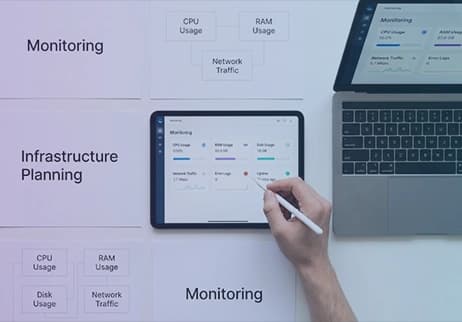
Server Configuration and Monitoring
- traffic forecasts,
- growth plans,
- peak seasons and campaign periods.
- CPU, RAM, disk usage,
- network traffic,
- error logs,
- uptime reports.
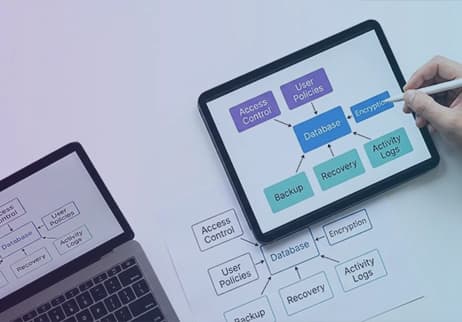
Database Security and Access Management
- separate DB usage and access restrictions,
- strong credential and user policies,
- backup and restore scenarios,
- logging unauthorized access attempts.
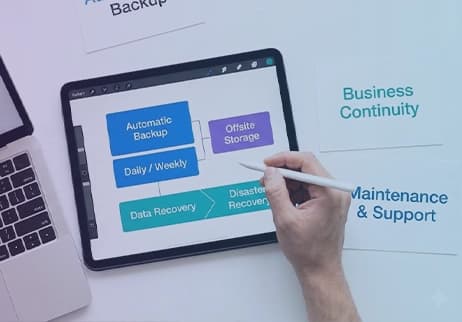
Backups, Disaster Recovery, and Business Continuity
- regular automated backups (daily/weekly),
- offsite backup storage,
- tested restore plans for data-loss scenarios,
- disaster recovery procedures.

Mini Case – Hotel Infrastructure Before High Season
- A resort hotel in the Mediterranean before high season:
- – On the old server, CPU spikes reached 90%+, while the new setup stayed below 60% even during peak hours.
- – Uptime improved from ~97–98% to 99.9%+.
- – Site crashes during campaign traffic were eliminated.
Why Server Management & Web Security with DGTLFACE?
An Integrated Approach: Marketing + Software + Security
Antalya-Based Expertise for Tourism and Service Businesses
- has years of experience with hotel and tourism projects,
- knows how to handle peak-season traffic and load,
- supports both local businesses and brands targeting global markets.
Security-First Approach for PMS, OTA, and Reservation Systems
- PMS integrations (e.g., pms installation ),
- OTA connections (OTA integration),
- reservation call centers,
Micro Layer
How to Ensure Server Security?
- secure password and access policies,
- up-to-date software and security patches,
- firewall and WAF usage,
- closing unnecessary services and ports,
- active logging and monitoring,
- regular backups.
SSL Certificates: Setup and Common Pitfalls
- browser “not secure” warnings,
- mixed content errors (HTTP + HTTPS),
- weaker trust signals for SEO.
How to Reduce the Impact of DDoS Attacks?
- layered protection (server + CDN),
- traffic limits and IP-based rules,
- bot filtering,
- uptime monitoring and rapid response plan.
Hotel Web Security: What to Watch For
- data protection in booking forms,
- access tokens in PMS/OTA integrations,
- sensitive information shared via email and call center,
- controlling how many staff can access admin panels,
- alignment with KVKK and international data protection standards.
DGTLFACE Hakkında Questions
See the most common questions about server security at a glance.
Before deciding on SSL, access security, DDoS protection, and reservation infrastructure protection, review the Server Security FAQ page.
This information is compiled from DGTLFACE’s technical documentation and project experience in web security, server management, data protection, and PMS/reservation security processes.