Web & Yazılım Hizmetleri Blogları
Multilingual CMS Design: TR–EN–DE–RU Managing Content from a Single Panel
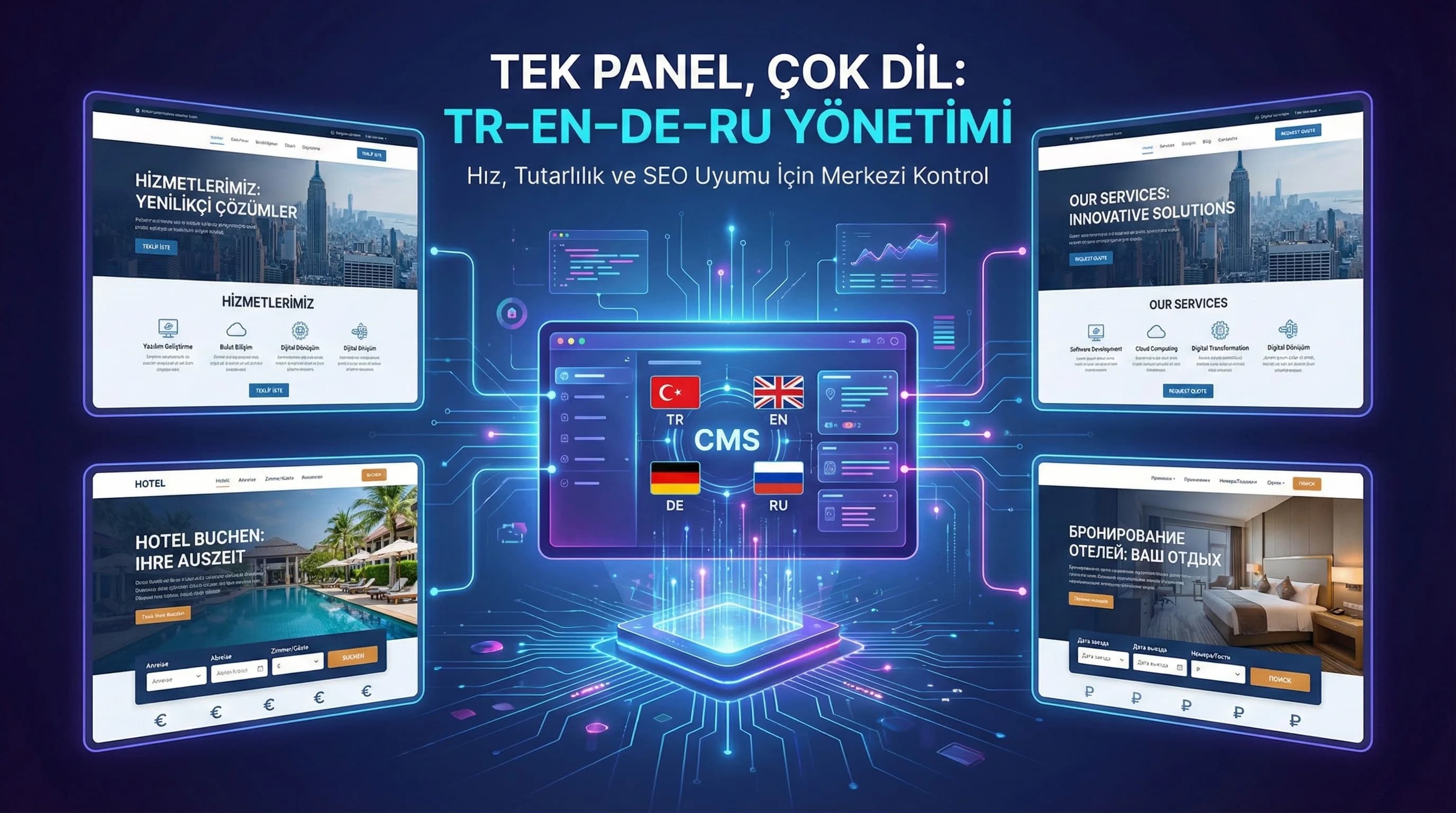
Multilingual structure is not just about putting a language switcher on the front-end; The real work starts on the CMS side. TR–EN–DE–RU manage contents with Excel + e-mail; It magnifies errors such as delayed translations, incorrect slugs, forgotten meta fields, and “missing language release”. A correctly constructed multilingual CMS; It increases the speed of the content team, clarifies agency operation and reduces SEO/localization errors. In this guide, locale fields vs separate entry approach, preview and translation workflow; We consider it together with hotel and B2B scenarios.
Web & Yazılım Hizmetleri Blogları

Multilingual CMS Design: TR–EN–DE–RU Managing Content from a Single Panel
Multilingual structure is not just about putting a language switcher on the front-end; The real work starts on the CMS side. TR–EN–DE–RU manage contents with Excel + e-mail; It magnifies errors such as delayed translations, incorrect slugs, forgotten meta fields, and “missing language release”. A correctly constructed multilingual CMS; It increases the speed of the content team, clarifies agency operation and reduces SEO/localization errors. In this guide, locale fields vs separate entry approach, preview and translation workflow; We consider it together with hotel and B2B scenarios.

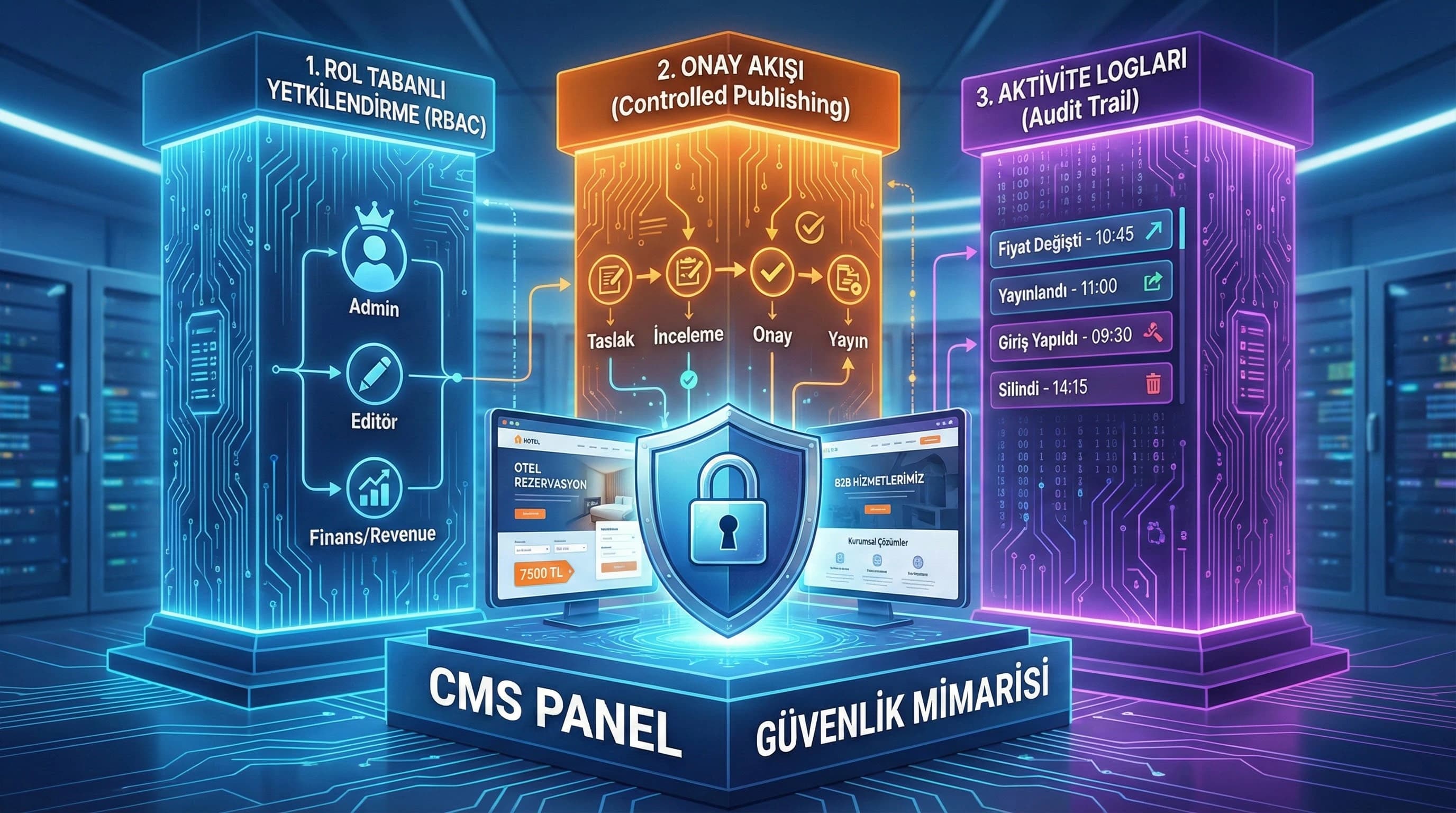
Role-Based Authorization and User Management: Security Architecture in CMS Panel
A CMS panel is defined by the published content as well as who can do what on it. Areas such as price/campaign on hotel sites, service/product pages and case contents in B2B projects; A wrong click may result in loss of income, reputational damage or KVKK risks. Therefore, the “one admin password” or “everyone editor” approach inevitably produces chaos in growing teams. Solution; It is a trackable panel security architecture built with RBAC (roles & permissions), approval flow (controlled publishing) and activity logs (activity logging).

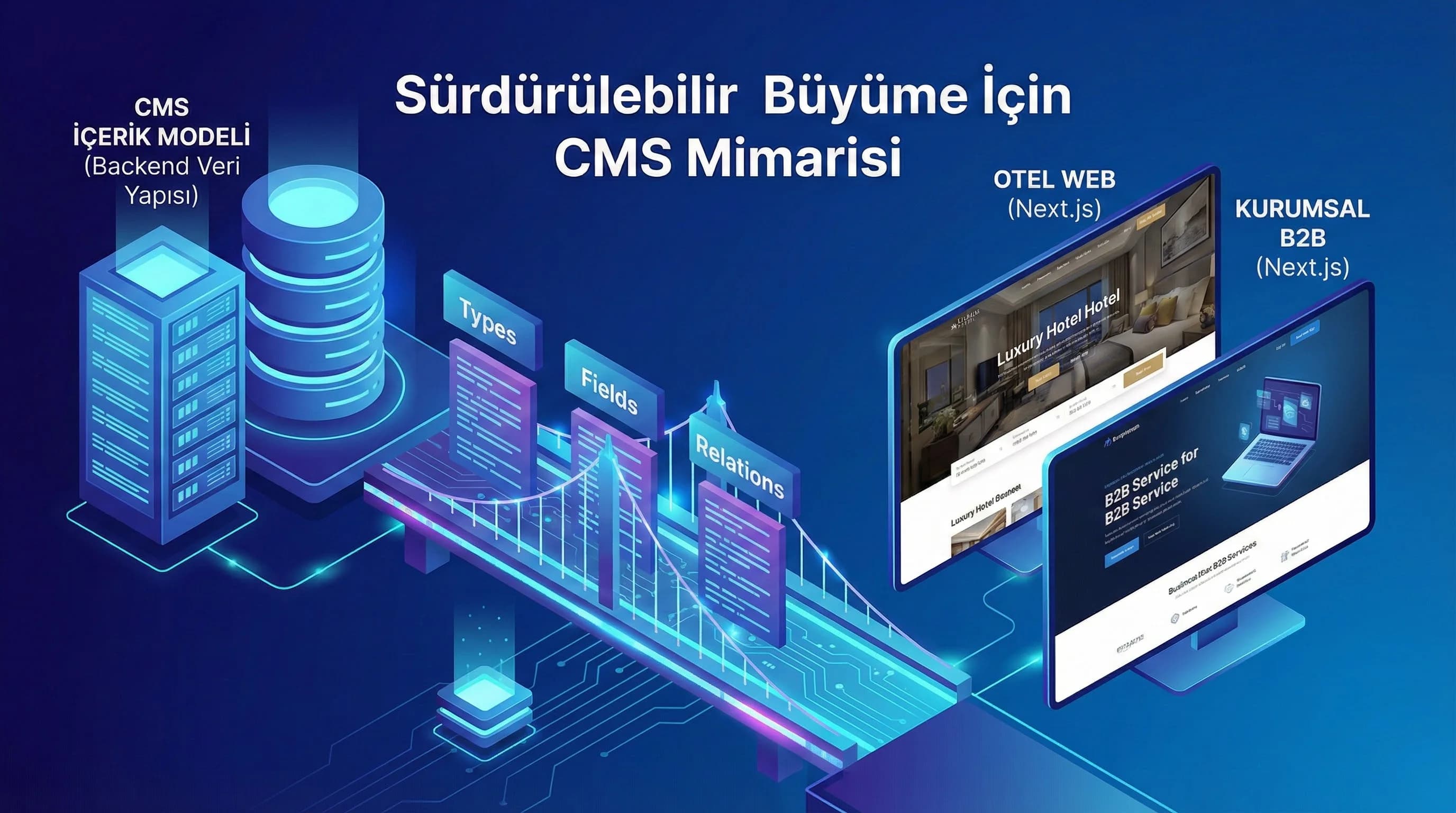
CMS Content Model: Content Type and Field Design for Corporate Websites
A corporate website is not just about “adding pages”; As content production, SEO, multi-language, campaign periods and product/service grow, content architecture suddenly turns into a technical problem. A correctly designed CMS content model makes the content team's job easier and enables consistent and scalable page production on the Next.js side. In this guide, I explain step by step how to establish a sustainable model on hotel and B2B sites by adding the schema-aware modeling approach with the perspective of "current need + 6/12 month roadmap".

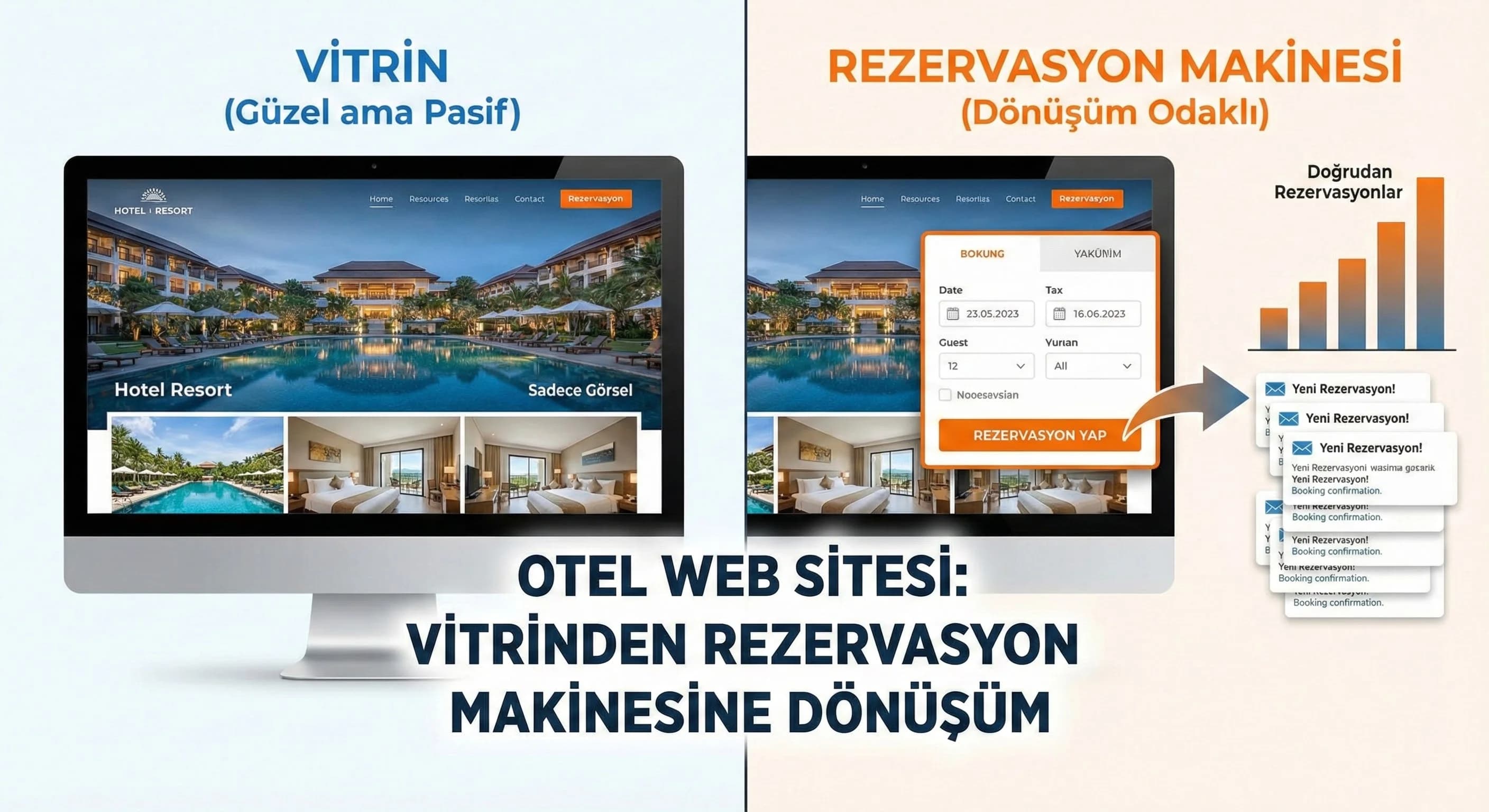
Hotel UX and Reservation Funnel Guide | DGTLFACE
On hotel and tourism websites, the user comes not to “like” but to decide: he looks at the date, compares the rooms, reads the price/condition, looks for confidence and finally moves on to the booking step. In this journey, “small frictions” (uncertain price, slow page, long form, lack of trust) accumulate and the reservation appears as a drop-off. Good UX; It combines the home page, room page and reservation flow in a single “conversion model”. Funnel design is the key to getting more direct reservations with the same traffic, especially in competitive destinations such as Antalya, Belek, Kemer, Side and Bodrum.

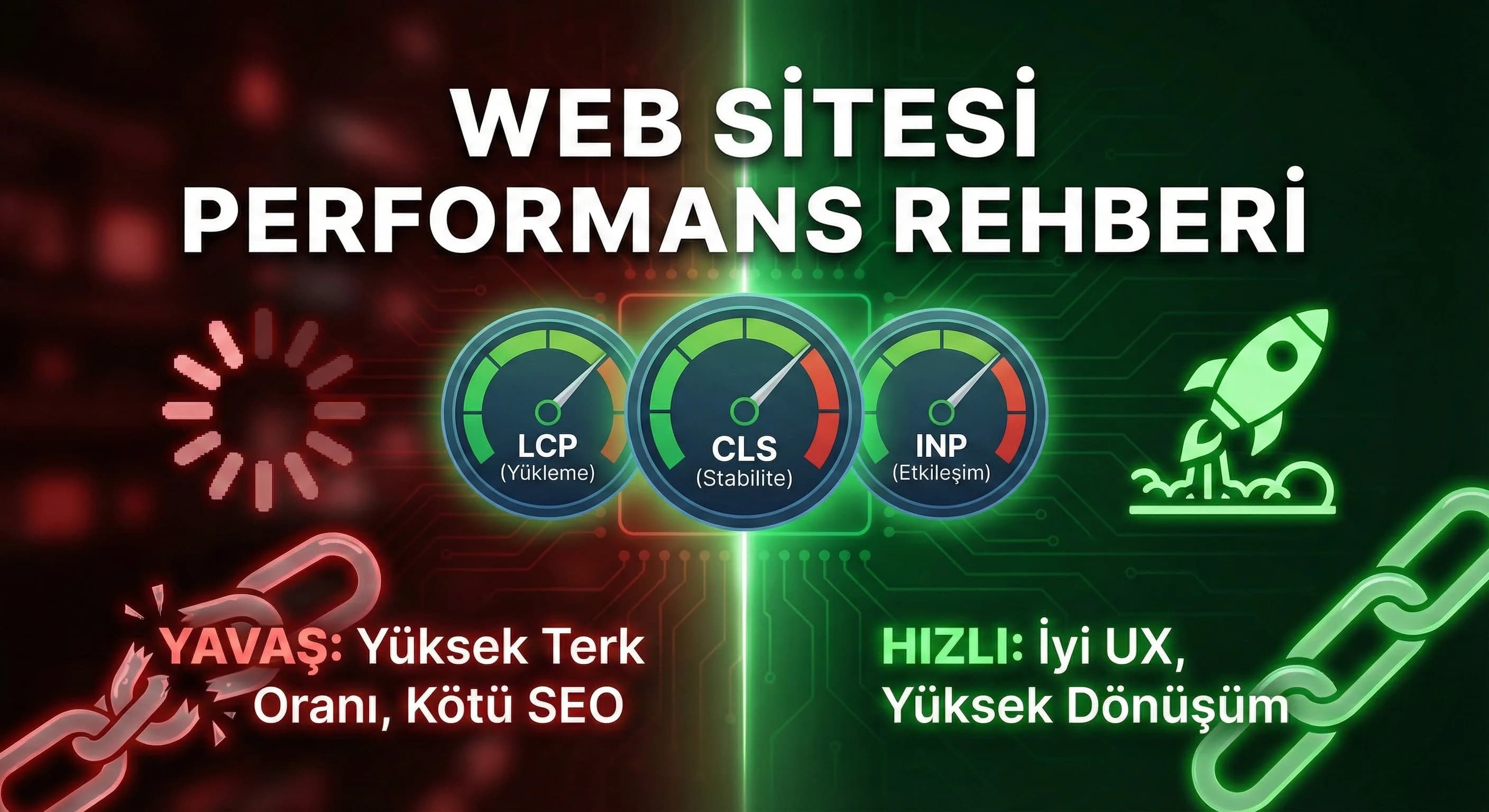
Website Performance Guide: Core Web Vitals and Speed Optimization
If your website is slow, the problem is not “one thing”; Usually it combines image load + JS load + server/cache. Especially on hotel sites (destination pages such as Antalya, Belek, Side, Kemer, Bodrum carry intense visuals), the abandonment rate increases when the speed decreases; In B2B, when demo/dashboard pages become heavy, lead quality and conversion decrease. This guide; Core Web Vitals (LCP, CLS, INP) gives you what action you need to take, in which order, without leaving the metrics at the "what is" level. Our goal: To standardize CWV improvement with a 180-day measure-improve-protect cycle, not a "one and done" process.

Multilingual Corporate Website Planning: Architecture and Content for TR–EN–DE–RU
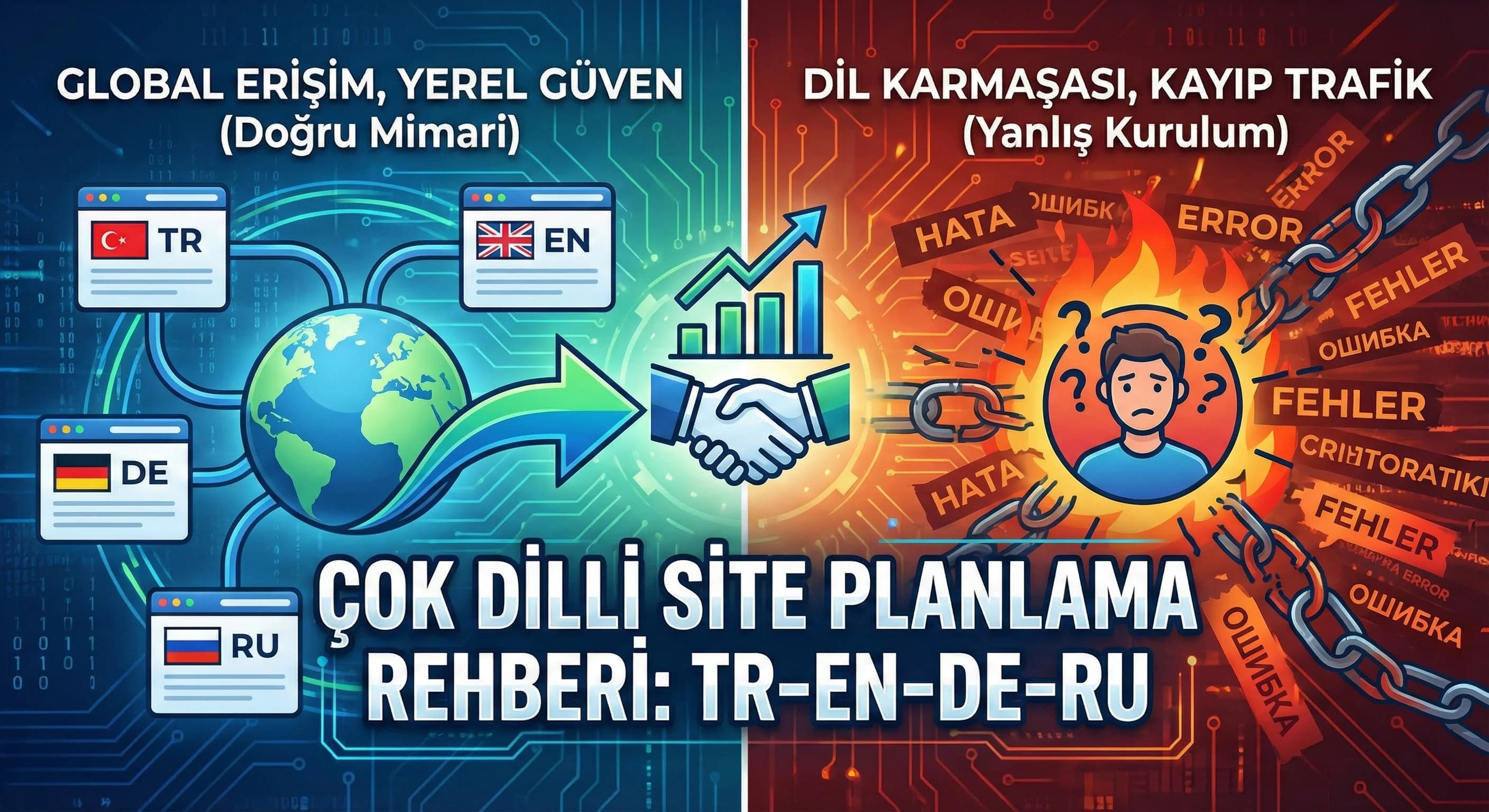
A multilingual site is not about “turning the page”; The market is about building intent and trust. If you do not display the correct content in the correct language on the hotel side (in destination searches such as Antalya, Belek, Side, Kemer, Bodrum), you will miss a reservation. In B2B, "half translation" in a foreign language reduces trust and impairs lead quality. Therefore, if you are targeting four languages like TR–EN–DE–RU, you need to first establish the architecture (subfolder/domain), then the URL/hreflang/canonical standard, and finally the content-localization process. This guide; It provides a workable model for the technical team and the content team to progress at the same table.

How to Set Up Next.js Corporate Site Architecture? | DGTLFACE
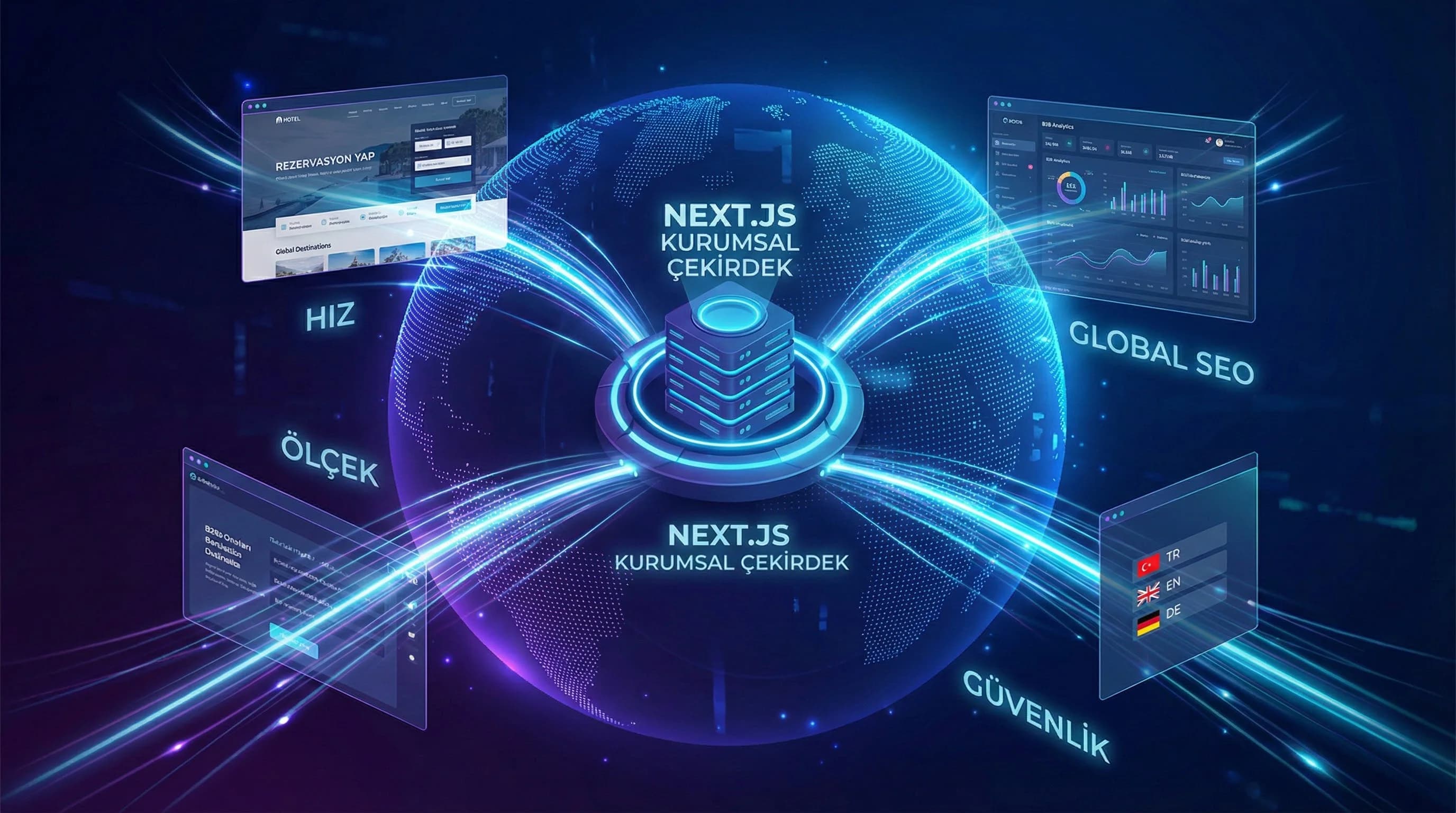
Next.js combines the "speed + SEO + modern development experience" trio in the same pot for corporate websites. However, seeing Next.js as just starting a project and writing a few pages is the biggest mistake: the real value comes from making the right architectural decisions. Remodeling of integrations such as SSR/SSG/ISR selections, URL/route hierarchy, locale strategy and PMS/CRM/CMS; It determines both performance and scalability in hotel and B2B projects. This guide clarifies the decision points and provides an architectural template that can be applied at “enterprise scale”.

Corporate Website Go-Live Checklist | DGTLFACE
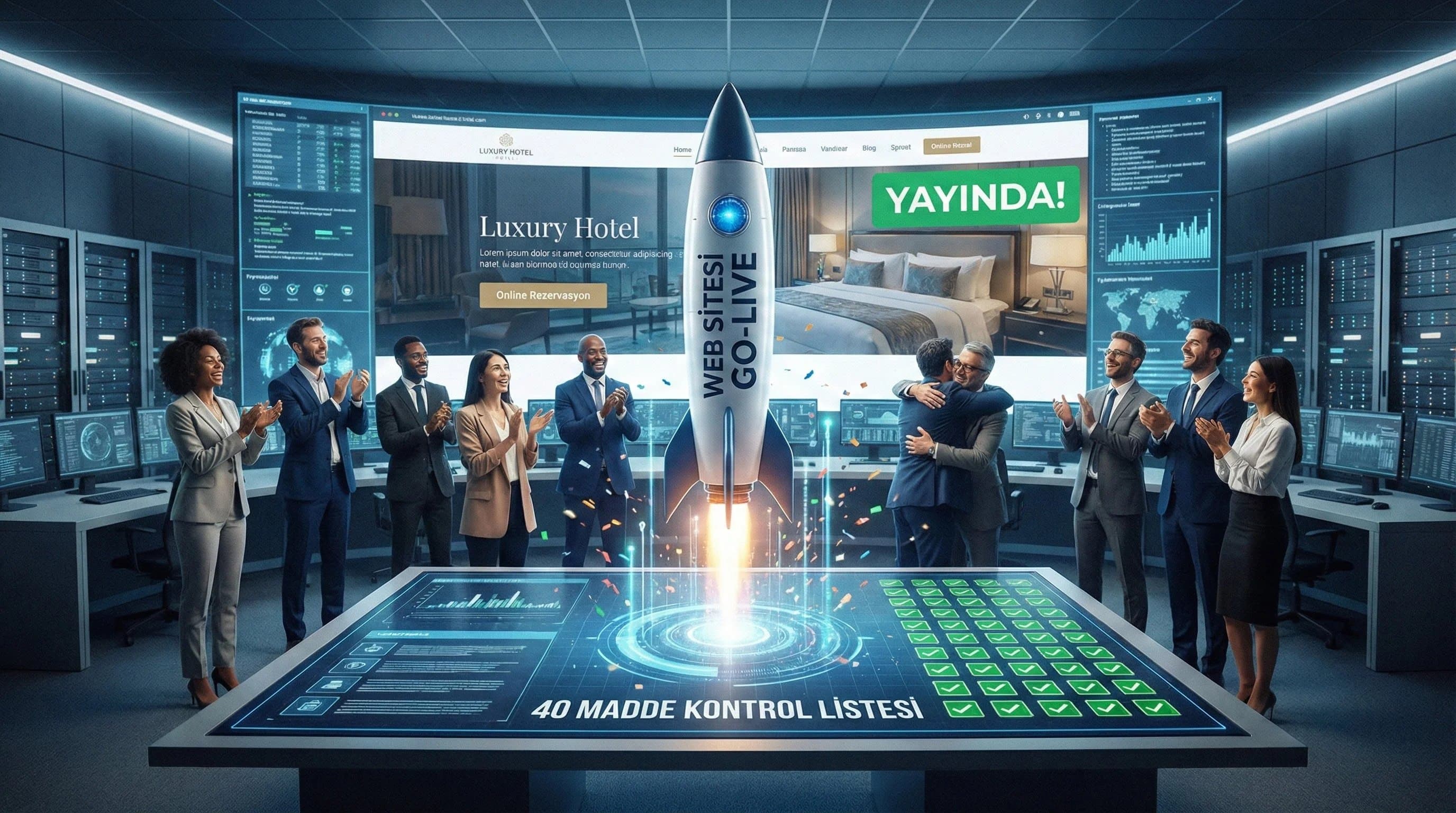
A website is not ready for launch just because it has been “developed”; Go-live is a critical phase that simultaneously tests software quality, content discipline and legal compliance. Form/reservation flow and speed problems on hotel sites (including destination-oriented pages such as Antalya, Belek, Side, Kemer, Bodrum) directly lead to loss of revenue; On B2B sites, if the lead form + CRM flow is disrupted, the marketing budget will be wasted. This guide turns technical + content/SEO + integration + KVKK steps into a checklist under one roof: “Is the ball in your court or in your court?” It ends the debate and reduces post-publication surprises.
Diğer / Genel SEM

Multilingual CMS Design: TR–EN–DE–RU Managing Content from a Single Panel
Multilingual structure is not just about putting a language switcher on the front-end; The real work starts on the CMS side. TR–EN–DE–RU manage contents with Excel + e-mail; It magnifies errors such as delayed translations, incorrect slugs, forgotten meta fields, and “missing language release”. A correctly constructed multilingual CMS; It increases the speed of the content team, clarifies agency operation and reduces SEO/localization errors. In this guide, locale fields vs separate entry approach, preview and translation workflow; We consider it together with hotel and B2B scenarios.

Role-Based Authorization and User Management: Security Architecture in CMS Panel
A CMS panel is defined by the published content as well as who can do what on it. Areas such as price/campaign on hotel sites, service/product pages and case contents in B2B projects; A wrong click may result in loss of income, reputational damage or KVKK risks. Therefore, the “one admin password” or “everyone editor” approach inevitably produces chaos in growing teams. Solution; It is a trackable panel security architecture built with RBAC (roles & permissions), approval flow (controlled publishing) and activity logs (activity logging).

CMS Content Model: Content Type and Field Design for Corporate Websites
A corporate website is not just about “adding pages”; As content production, SEO, multi-language, campaign periods and product/service grow, content architecture suddenly turns into a technical problem. A correctly designed CMS content model makes the content team's job easier and enables consistent and scalable page production on the Next.js side. In this guide, I explain step by step how to establish a sustainable model on hotel and B2B sites by adding the schema-aware modeling approach with the perspective of "current need + 6/12 month roadmap".

Hotel UX and Reservation Funnel Guide | DGTLFACE
On hotel and tourism websites, the user comes not to “like” but to decide: he looks at the date, compares the rooms, reads the price/condition, looks for confidence and finally moves on to the booking step. In this journey, “small frictions” (uncertain price, slow page, long form, lack of trust) accumulate and the reservation appears as a drop-off. Good UX; It combines the home page, room page and reservation flow in a single “conversion model”. Funnel design is the key to getting more direct reservations with the same traffic, especially in competitive destinations such as Antalya, Belek, Kemer, Side and Bodrum.

Website Performance Guide: Core Web Vitals and Speed Optimization
If your website is slow, the problem is not “one thing”; Usually it combines image load + JS load + server/cache. Especially on hotel sites (destination pages such as Antalya, Belek, Side, Kemer, Bodrum carry intense visuals), the abandonment rate increases when the speed decreases; In B2B, when demo/dashboard pages become heavy, lead quality and conversion decrease. This guide; Core Web Vitals (LCP, CLS, INP) gives you what action you need to take, in which order, without leaving the metrics at the "what is" level. Our goal: To standardize CWV improvement with a 180-day measure-improve-protect cycle, not a "one and done" process.

Multilingual Corporate Website Planning: Architecture and Content for TR–EN–DE–RU
A multilingual site is not about “turning the page”; The market is about building intent and trust. If you do not display the correct content in the correct language on the hotel side (in destination searches such as Antalya, Belek, Side, Kemer, Bodrum), you will miss a reservation. In B2B, "half translation" in a foreign language reduces trust and impairs lead quality. Therefore, if you are targeting four languages like TR–EN–DE–RU, you need to first establish the architecture (subfolder/domain), then the URL/hreflang/canonical standard, and finally the content-localization process. This guide; It provides a workable model for the technical team and the content team to progress at the same table.

How to Set Up Next.js Corporate Site Architecture? | DGTLFACE
Next.js combines the "speed + SEO + modern development experience" trio in the same pot for corporate websites. However, seeing Next.js as just starting a project and writing a few pages is the biggest mistake: the real value comes from making the right architectural decisions. Remodeling of integrations such as SSR/SSG/ISR selections, URL/route hierarchy, locale strategy and PMS/CRM/CMS; It determines both performance and scalability in hotel and B2B projects. This guide clarifies the decision points and provides an architectural template that can be applied at “enterprise scale”.

Corporate Website Go-Live Checklist | DGTLFACE
A website is not ready for launch just because it has been “developed”; Go-live is a critical phase that simultaneously tests software quality, content discipline and legal compliance. Form/reservation flow and speed problems on hotel sites (including destination-oriented pages such as Antalya, Belek, Side, Kemer, Bodrum) directly lead to loss of revenue; On B2B sites, if the lead form + CRM flow is disrupted, the marketing budget will be wasted. This guide turns technical + content/SEO + integration + KVKK steps into a checklist under one roof: “Is the ball in your court or in your court?” It ends the debate and reduces post-publication surprises.