How to Manage OTA Cancellation/Change Requests?
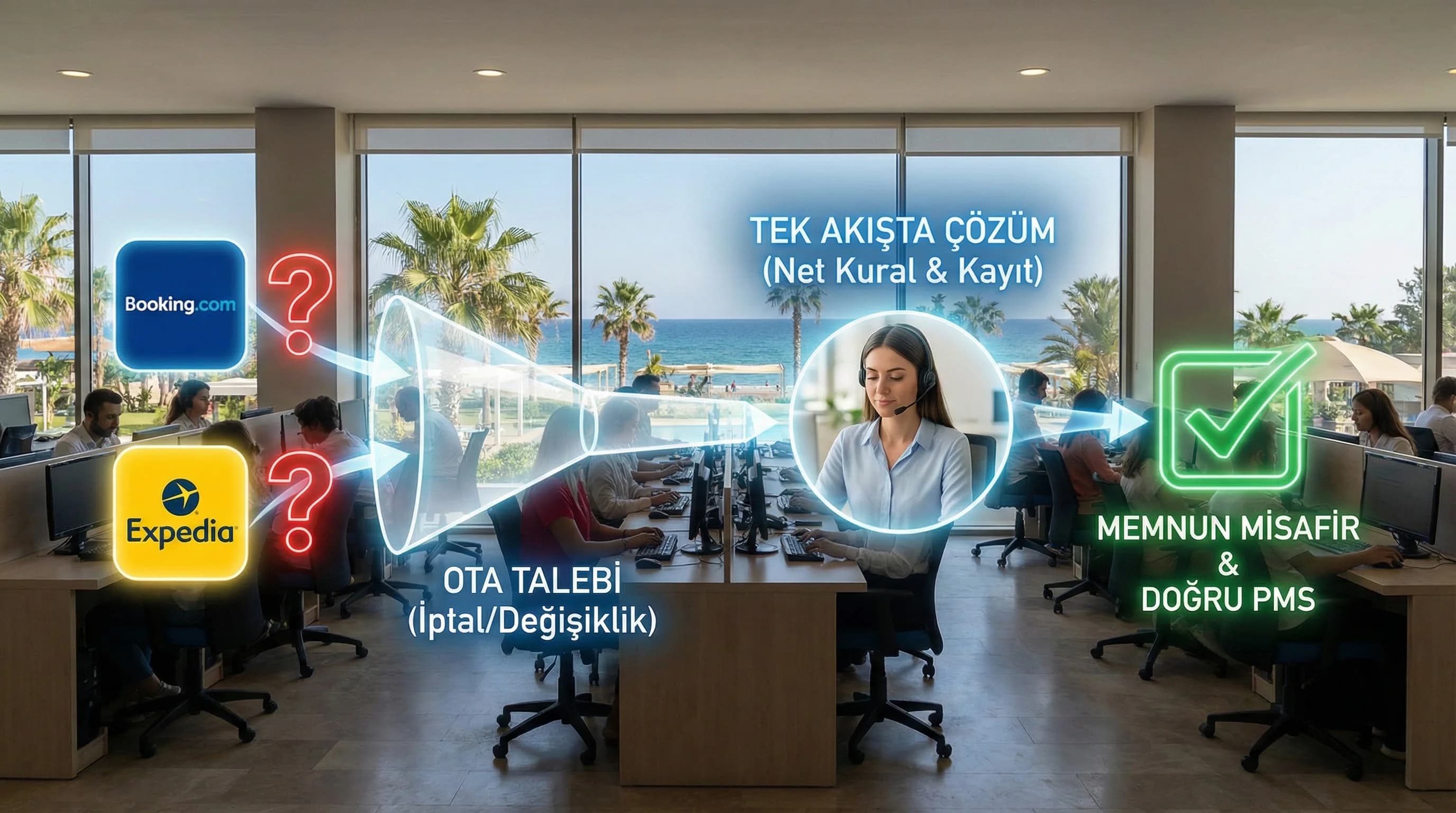
“I bought it from Booking but I want to change the date, what do I do?” and “Can I cancel without paying a penalty?” phrases are the two most typical beginnings of OTA calls. Although these calls technically seem like a “transaction”, they are actually a test of trust and fairness for the guest: is the hotel responsible or the OTA; What's the rule? Are there any exceptions? Good booking support line here; It verifies the OTA Reservation record in the PMS, explains the Cancellation Policy / Modification Request limits calmly but decisively, and offers the solution in a single flow without causing the guest to ping-pong between the hotel and the OTA.
70 results
Son Eklenenler

How to Manage OTA Cancellation/Change Requests?
“I bought it from Booking but I want to change the date, what do I do?” and “Can I cancel without paying a penalty?” phrases are the two most typical beginnings of OTA calls. Although these calls technically seem like a “transaction”, they are actually a test of trust and fairness for the guest: is the hotel responsible or the OTA; What's the rule? Are there any exceptions? Good booking support line here; It verifies the OTA Reservation record in the PMS, explains the Cancellation Policy / Modification Request limits calmly but decisively, and offers the solution in a single flow without causing the guest to ping-pong between the hotel and the OTA.

OTA Rate Parity Guide: Rate Parity
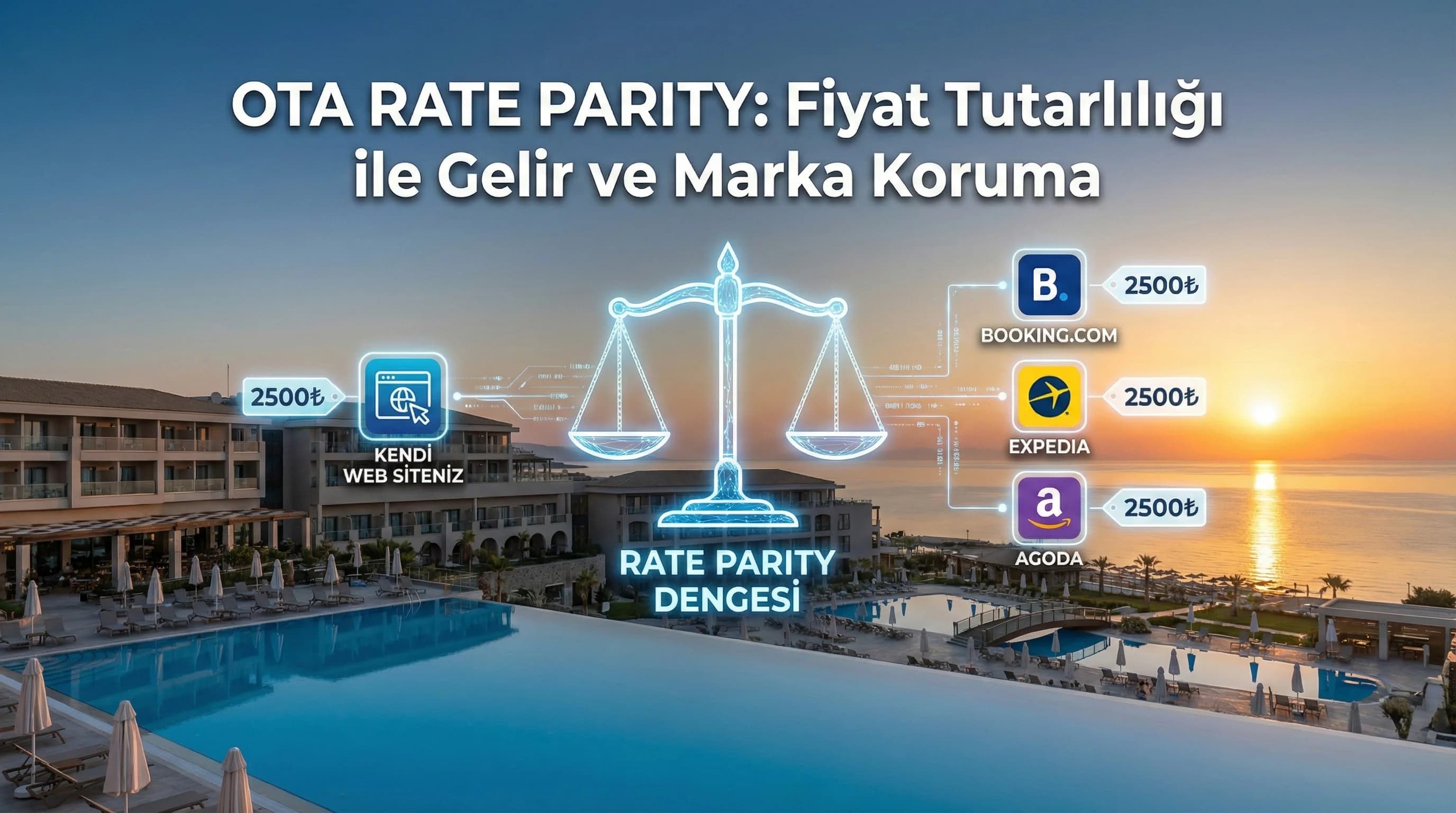
Rate parity is read as a “contract clause” in many hotels; However, it is a control system that stands right in the middle of daily operations and revenue management. When prices are set incorrectly in PMS, channel managers and OTAs, the guest finds the "cheapest" option and goes there; This means not only lost revenue, but also unnecessary tension in channel relationships and erosion of brand perception. In highly competitive destinations such as Antalya and Bodrum, parity errors become visible more quickly; because different market and device prices come into play more aggressively for the same date/room.

Multilingual CMS Design: TR–EN–DE–RU Managing Content from a Single Panel
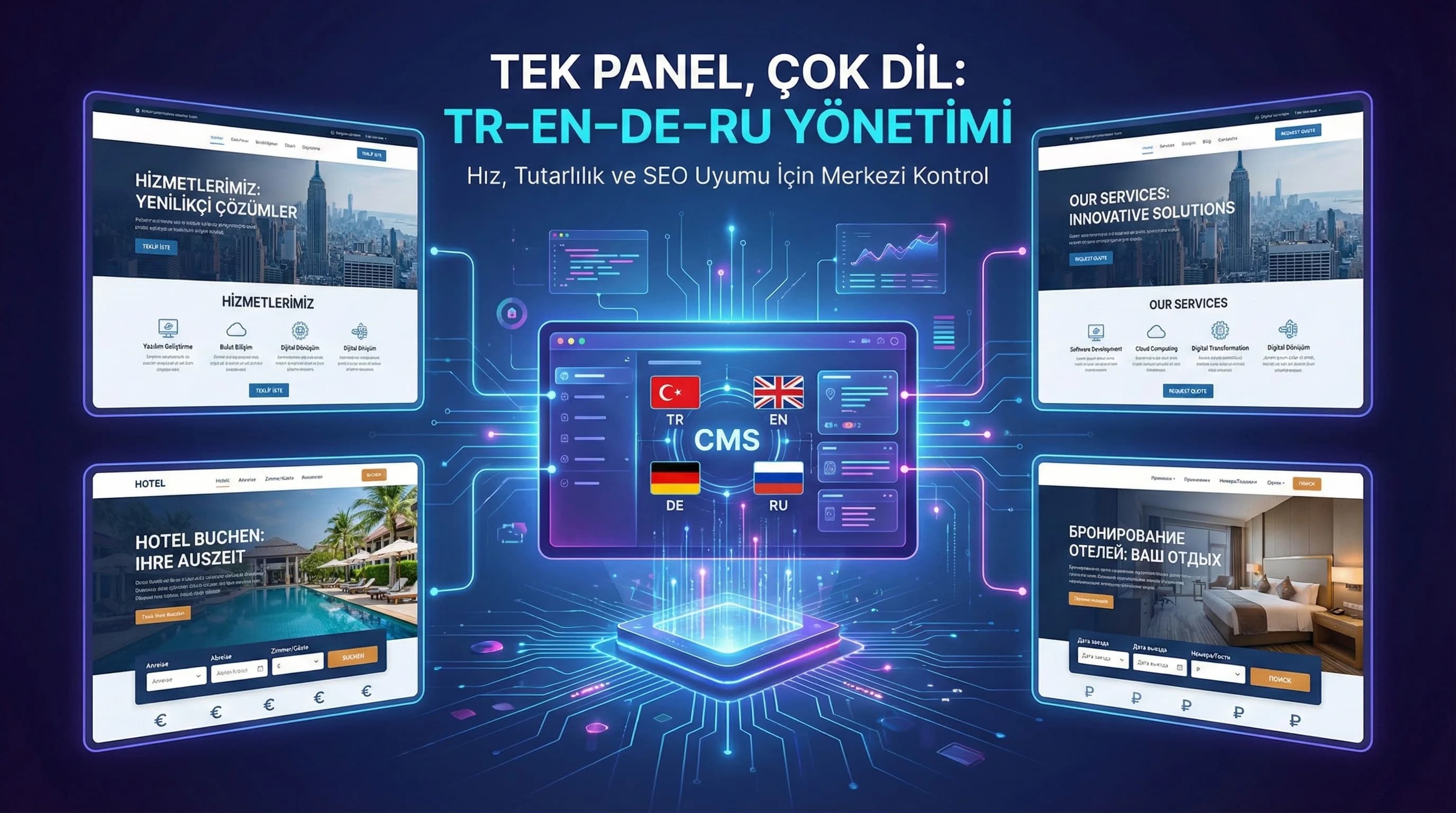
Multilingual structure is not just about putting a language switcher on the front-end; The real work starts on the CMS side. TR–EN–DE–RU manage contents with Excel + e-mail; It magnifies errors such as delayed translations, incorrect slugs, forgotten meta fields, and “missing language release”. A correctly constructed multilingual CMS; It increases the speed of the content team, clarifies agency operation and reduces SEO/localization errors. In this guide, locale fields vs separate entry approach, preview and translation workflow; We consider it together with hotel and B2B scenarios.

Hotel Website Design with Figma: From Wireframe to Prototype
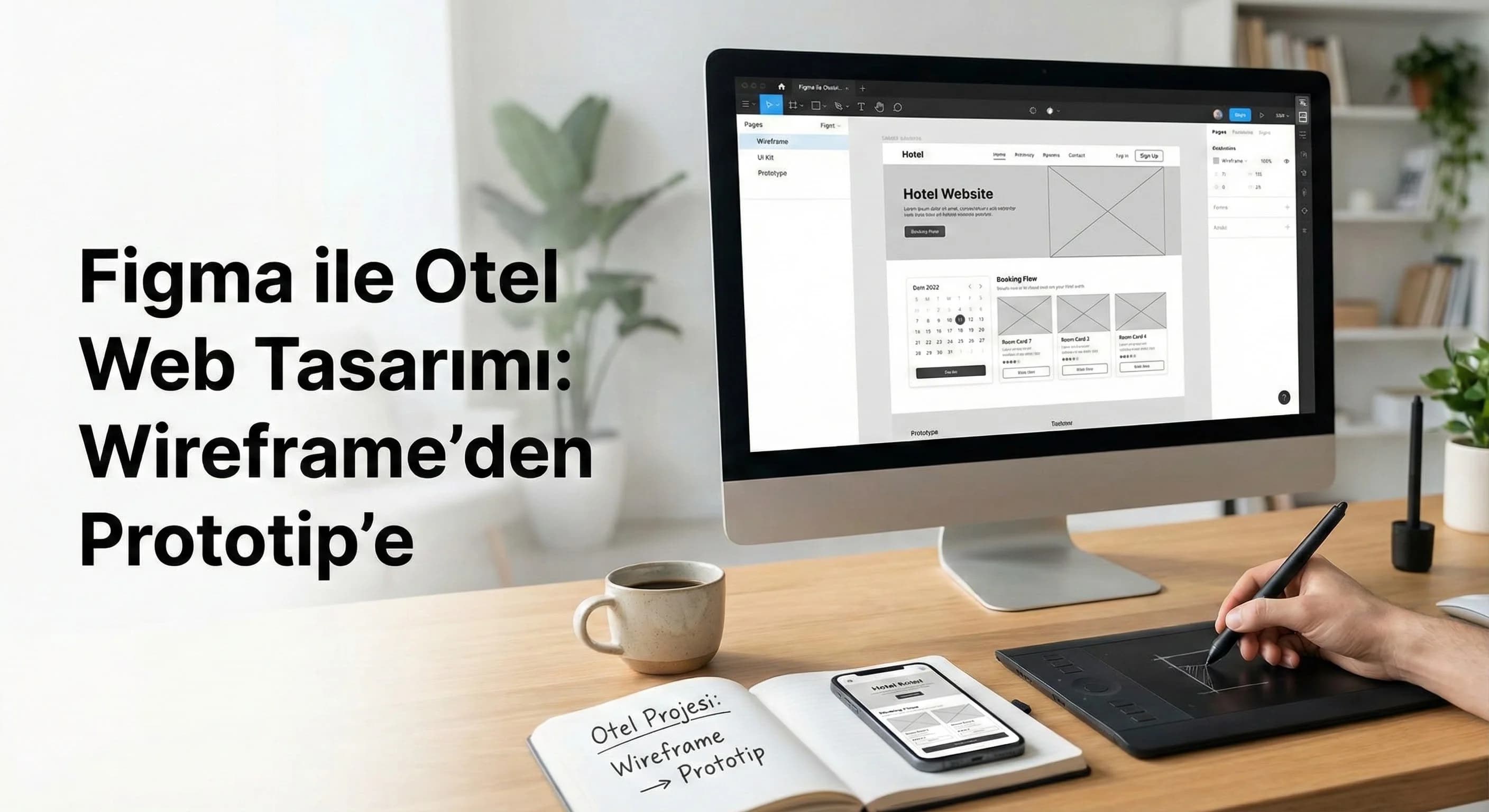
“How do I do it step by step?”, “In which order should I proceed?”, “Wireframe first or UI kit first?” Questions like these come up very frequently in hotel projects; because hotel websites are different from a straight checkout like SaaS or e-commerce. Room types, seasonal pricing, concept (AI/HB/BB), cancellation rules, multilingual flow (TR–EN–DE–RU) and booking engine integration are managed simultaneously. In this guide, we will set up the wireframe → UI kit/design system → prototype testing → Next.js handoff chain in Figma with the hotel's special needs.

How to Prepare a Script and Storyboard for a Hotel YouTube Commercial?
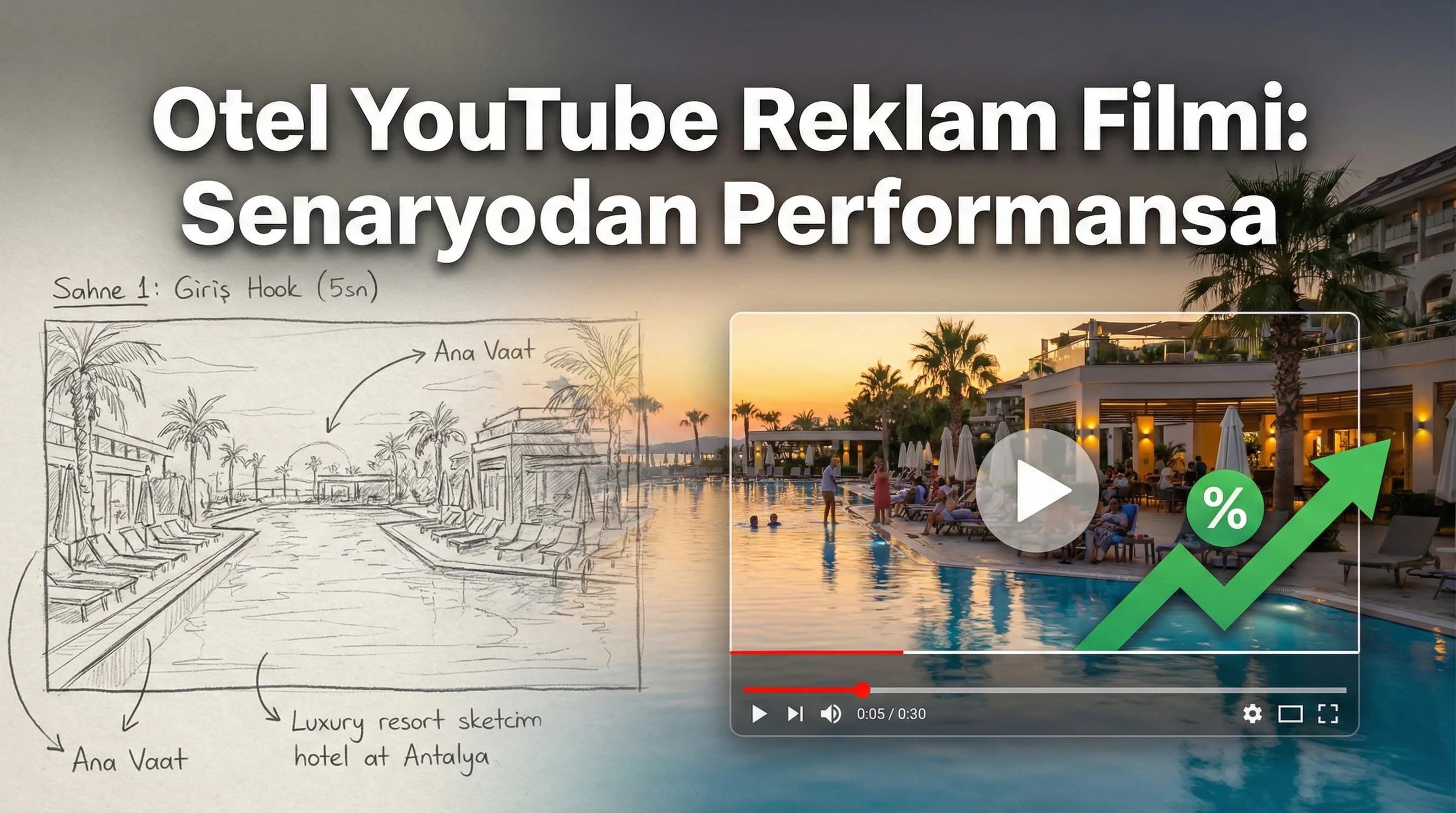
YouTube commercials are not a “visual showcase” in hotels; If constructed correctly, it is a performance tool that combines demand creation + evaluation + transformation layers on the same creative backbone. The problem is: most videos consist of “beautiful images”, but because the message flow and scene priority are not planned, viewers are lost in the first 5–10 seconds. In well-edited videos, the retention rate in the first 5–10 seconds is generally higher; This is directly reflected in advertising performance. (Assumption: sectoral general insight; no exact numbers claimed.) This guide; hotel promotional film scenario, storyboard example (hotel video) and “YouTube hotel video script” practicalizes the logic according to hotel types: resort, city, boutique.

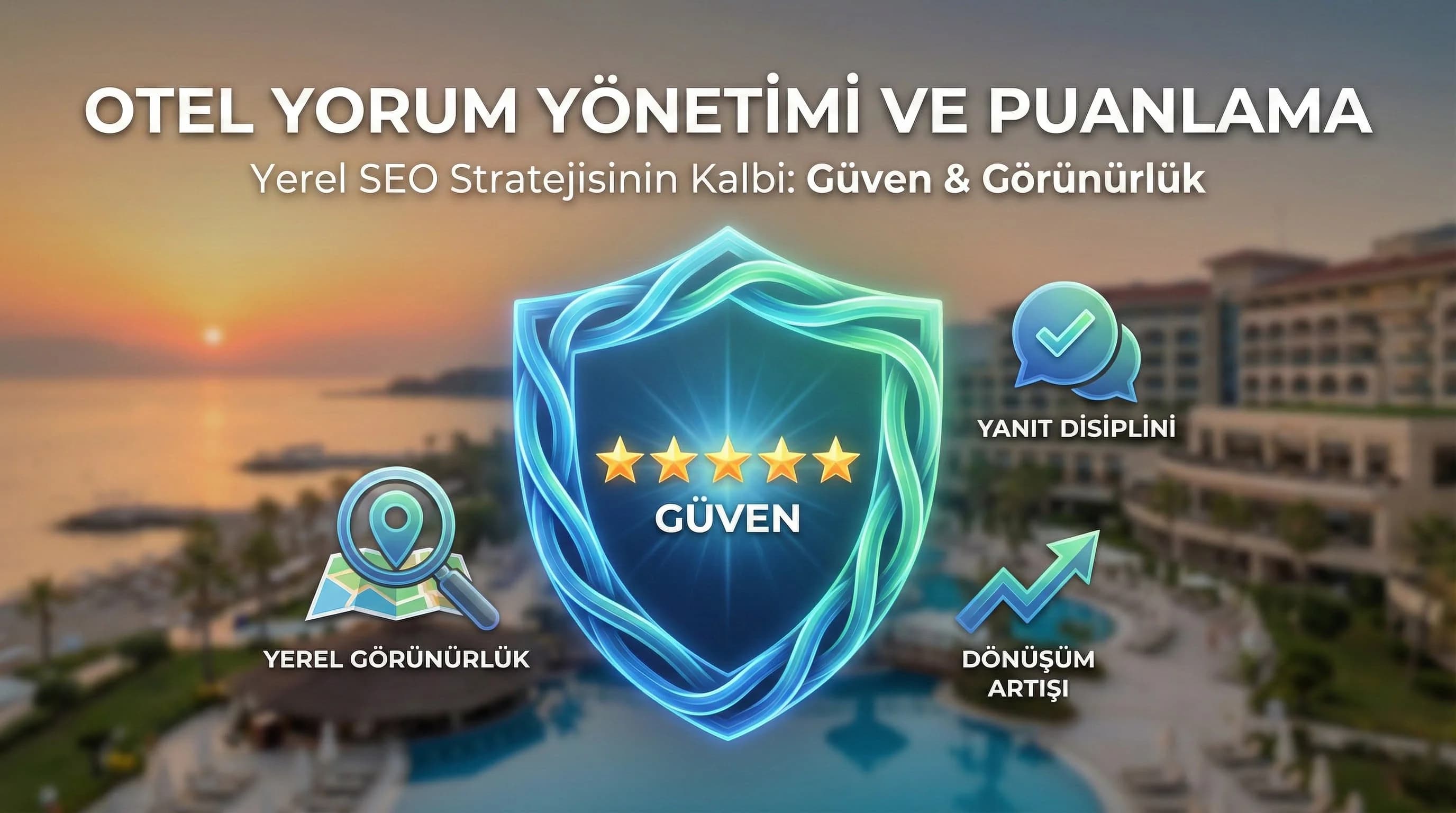
Hotel Review Management: Local SEO Scoring Guide
Reviews are not just “reputation” for hotels; it is also a powerful set of signals that influence visibility and click behavior in Google Maps (Local Pack). Having a sufficient number of regular and high average comments; Additionally, responding professionally to reviews tends to increase guest trust and conversion intent. In this guide, we put the topic of “local SEO impact of hotel reviews” into a measurable framework instead of abstract suggestions: number of reviews, score, freshness (recency), response discipline and quality cycle. Here's the kicker: most competing content addresses comment management solely from a customer relations perspective; Here we also connect local ranking and SEO signal size to the process. We also explain how to establish an ethical and sustainable comment flow without engaging in risky practices such as fake comments.

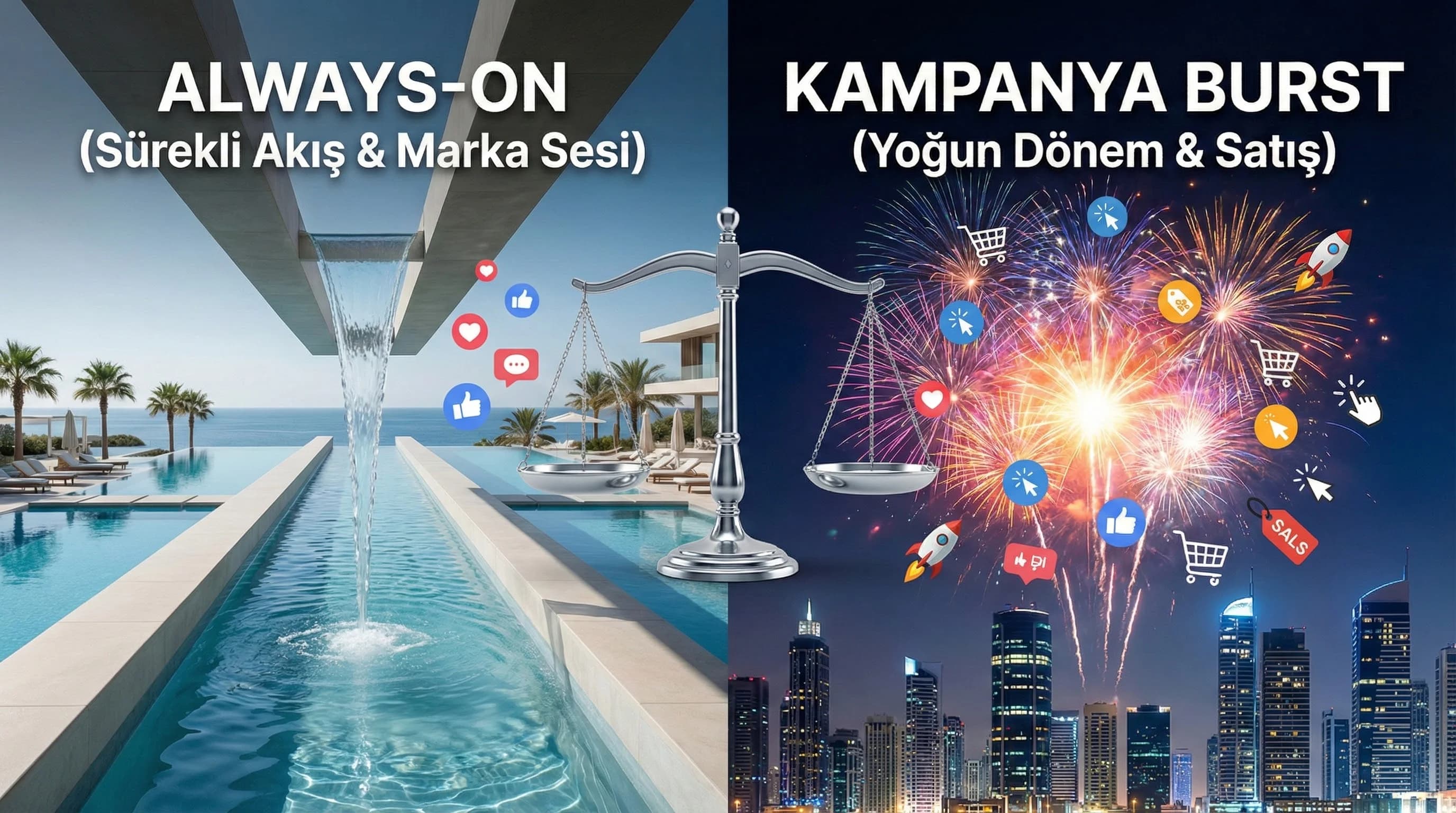
Always-On and Campaign-Based Content Strategy: Differences and How to Balance?
“Constant sharing” and “only appearing during the campaign period” are two extremes, and neither produces sustainable performance. While periods such as season, early booking and last minute create the need for campaigns in hotel brands; If the brand voice (experience, trust, social proof) is not carried over during the non-campaign period, the account turns into a “billboard”. In B2B projects, launch periods require bursts; But without always-on thought leadership throughout the year, lead quality will fluctuate. This guide provides a workable model for balancing always-on and campaign content within a single annual SMM plan.

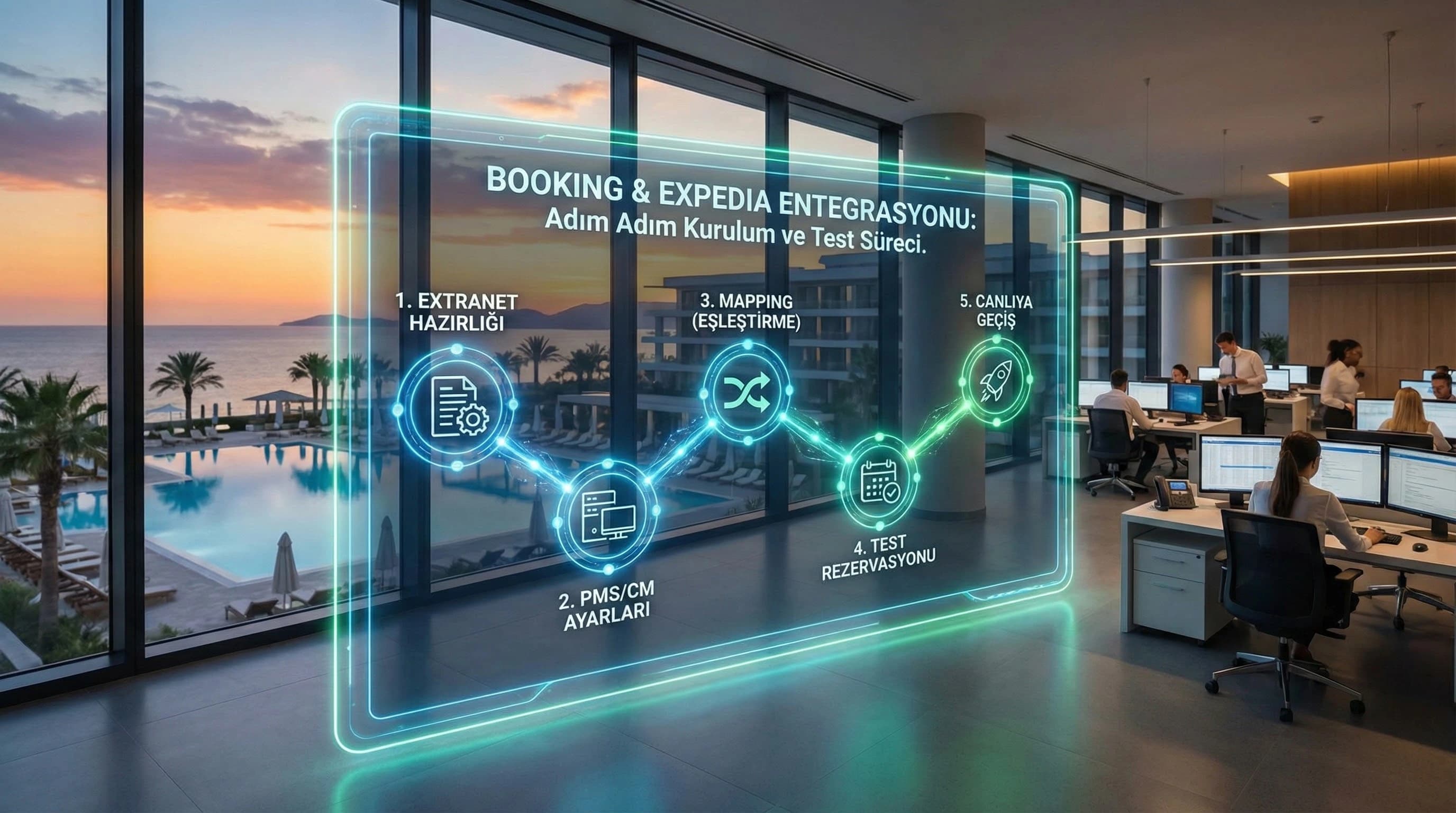
Booking & Expedia Integration Setup Guide
Booking and Expedia integration is not a job that can be ignored by saying "the connection is open"; The quality of the integration is measured by room & rate mapping accuracy and test reservation discipline. Especially in resort markets such as Antalya, Belek, Side and Kemer, where seasonal fluctuations are severe, a small mapping error can suddenly turn into a risk of wrong price, wrong availability and overbooking. This guide is written in a technical but understandable language; It offers an end-to-end road map, from extranet preparation to PMS–channel manager settings, from test scenarios to go live and first 30 days of monitoring.

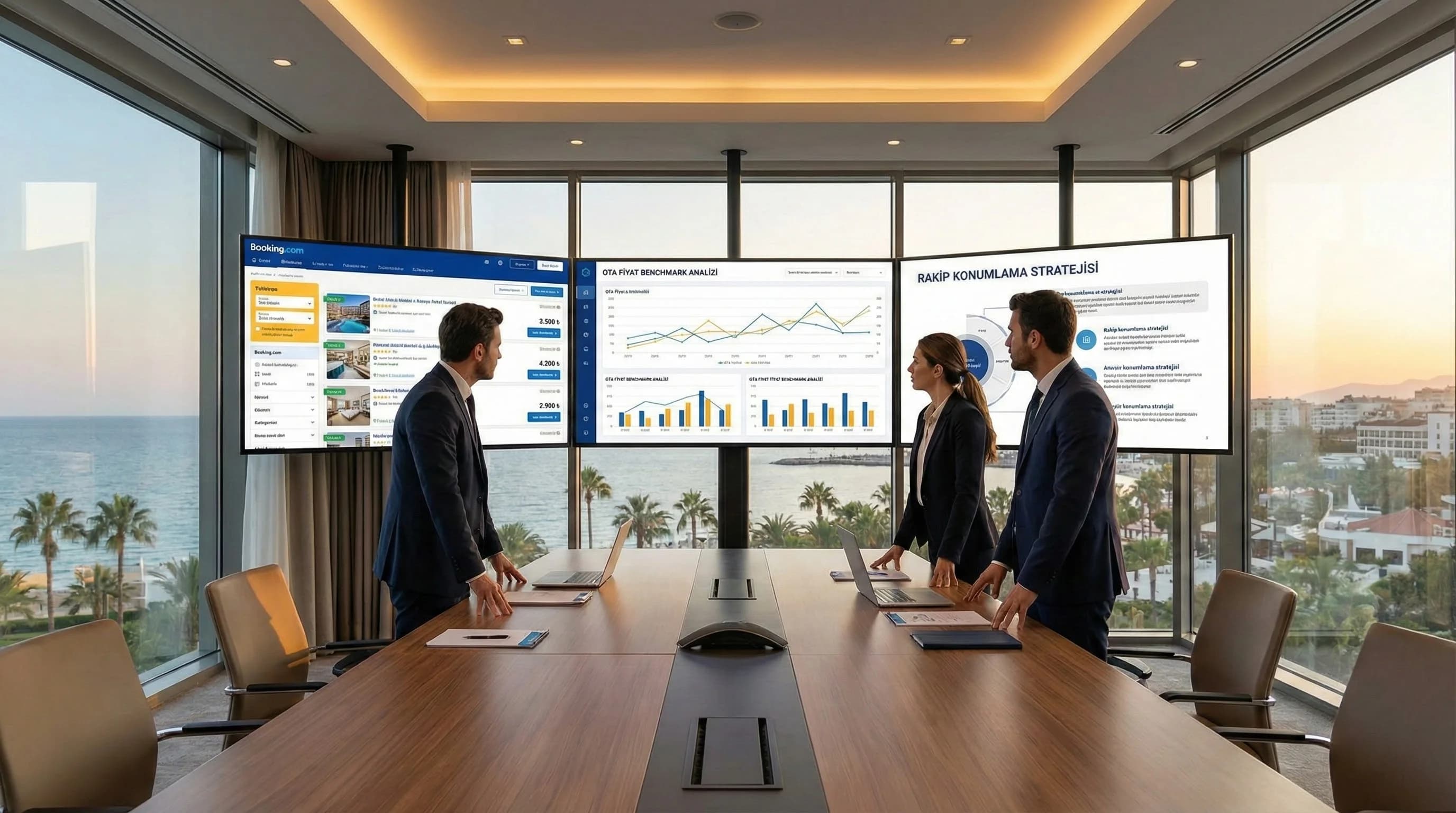
Positioning Compared to Competitors with OTA Price Benchmark
The reflex of looking at OTA screens and saying "the competitor is cheaper than me, I'm downloading it immediately"; Even if it recovers occupancy in the short term, it reduces the ADR in the medium term, increases parity risk and damages the perception of value. The purpose of this guide; Transforming the price information you see on OTAs such as Booking/Expedia from the "screen reading" level into a strategic positioning decision: which set of competitors you will compare with, on which date/room type; how to connect price position to occupancy and revenue; To clarify how to move forward with smart band management instead of a price war.

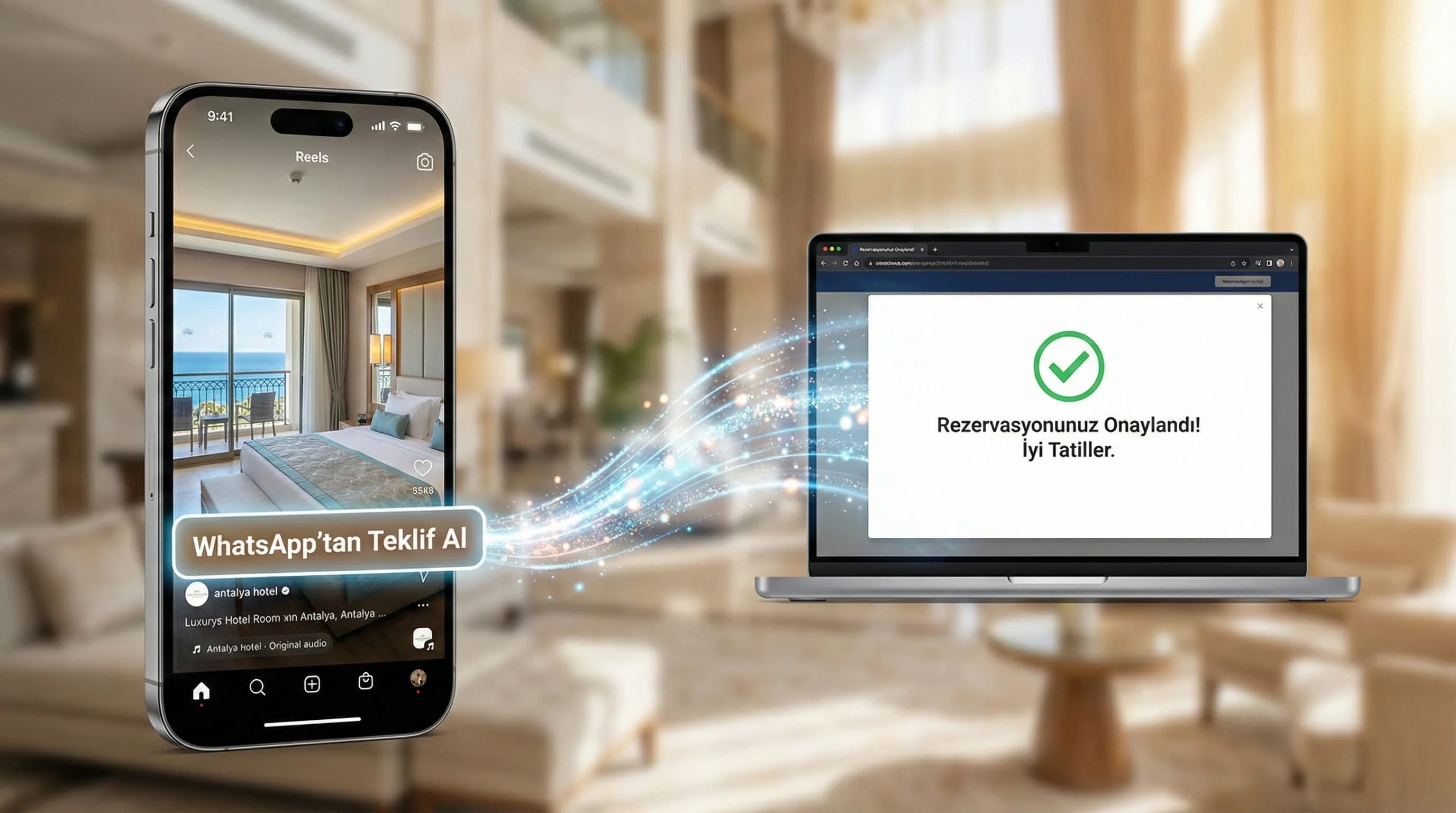
Selling Rooms with Reels: How to Set Up Reels Funnel for Hotels?
Reels is not just “access” for hotels; It is a short video engine that produces booking intentions when designed correctly. However, most accounts operate Reels at the content idea level: the video is good, the views come… but the clicks and requests do not come. In this guide, Instagram Reels is used for Hotel Room Sales / Direct Booking; We will establish a clear “room sales with reels” funnel system in the form of hook → story → CTA → referral → measurement.

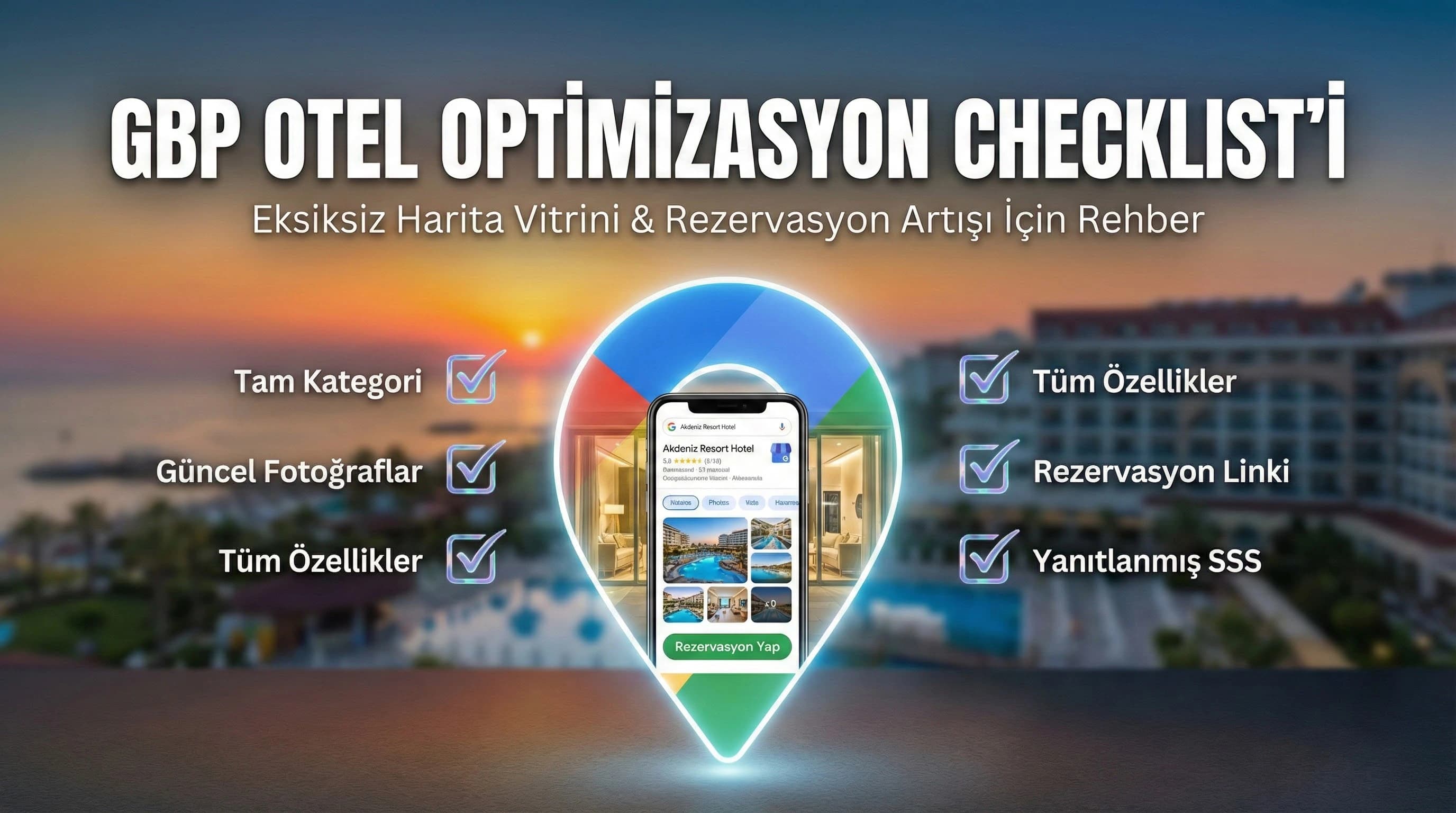
GBP Hotel Optimization Checklist: Complete Profile
A poorly optimized Google Business Profile is like an incomplete window display for hotels: the user sees you but doesn't trust you; He clicks but cannot find what he is looking for; He cannot reach the reservation link and returns. However, filling in fields such as category, description, photo, features, telephone and reservation link completely; tends to increase map visibility, click-through rates, and direct booking potential (especially on mobile). This guide answers the question “what do I fill in?” It turns the question into a clear hotel-specific checklist and lists the things to do in the first 30 minutes.

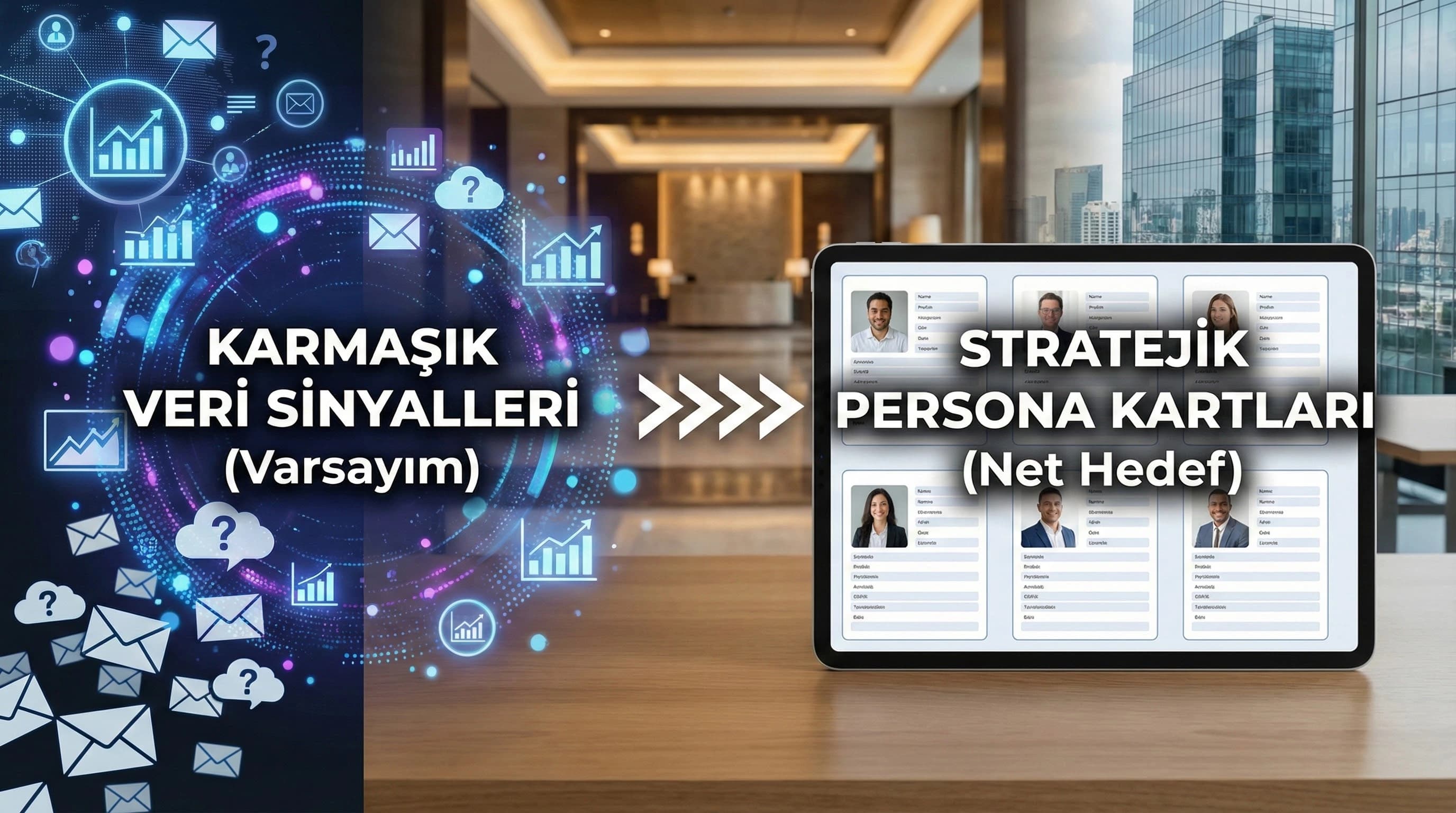
How to Establish a Social Media Strategy with Target Audience and Persona Research?
The "let's appeal to everyone" approach on social media means, in practice, "not being able to fully appeal to anyone". Proceeding with the same content tone, the same examples and the same CTA in hotel and B2B accounts; It makes it difficult to catch the right person and reduces the quality of conversion even if interaction is visible. The solution is to create 2-4 main personas through data-based target audience research and tie the content plan to these personas. In this article, we will establish a workable system step by step, starting from data sources to persona cards and the “persona column” in the calendar.

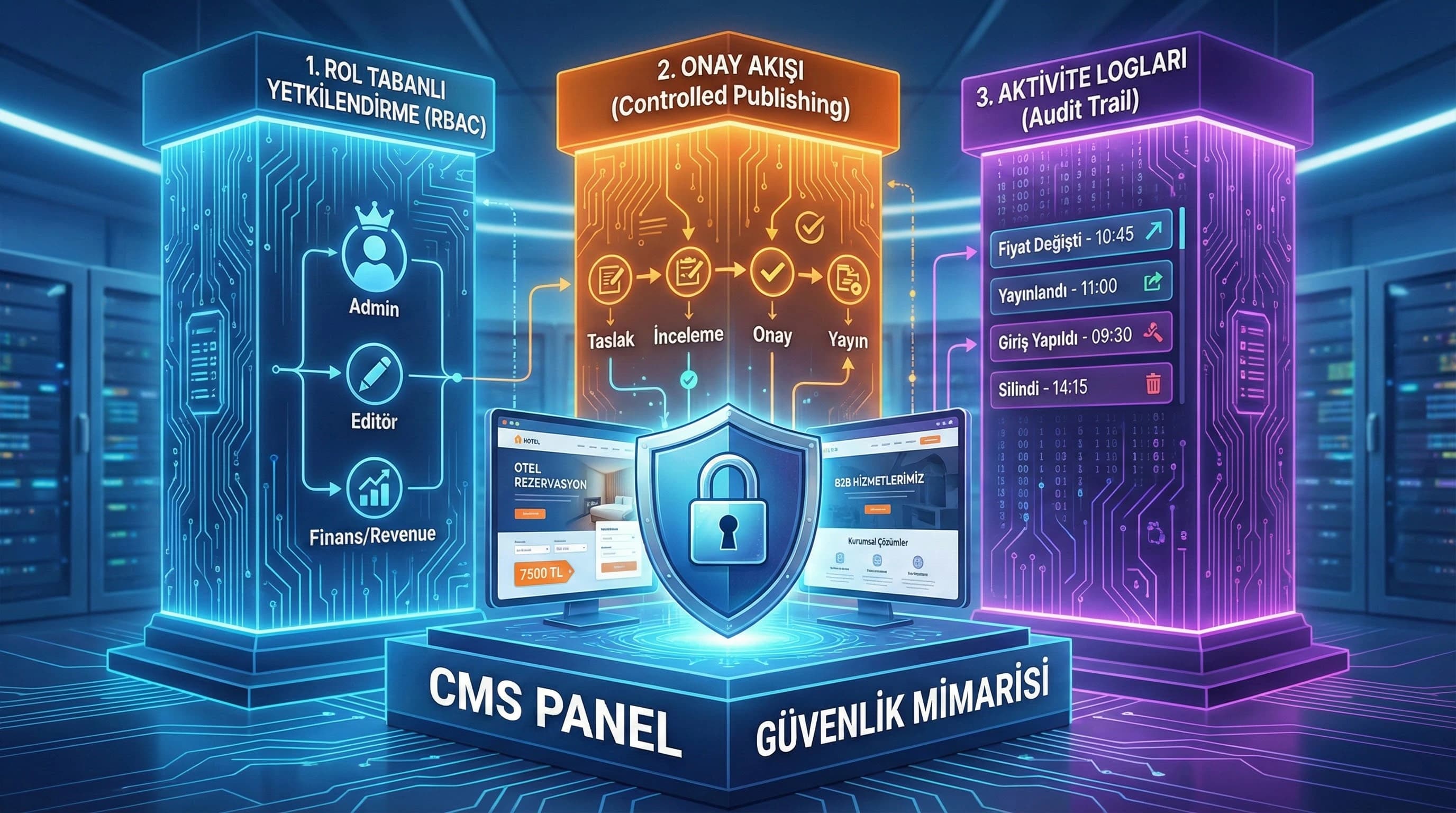
Role-Based Authorization and User Management: Security Architecture in CMS Panel
A CMS panel is defined by the published content as well as who can do what on it. Areas such as price/campaign on hotel sites, service/product pages and case contents in B2B projects; A wrong click may result in loss of income, reputational damage or KVKK risks. Therefore, the “one admin password” or “everyone editor” approach inevitably produces chaos in growing teams. Solution; It is a trackable panel security architecture built with RBAC (roles & permissions), approval flow (controlled publishing) and activity logs (activity logging).

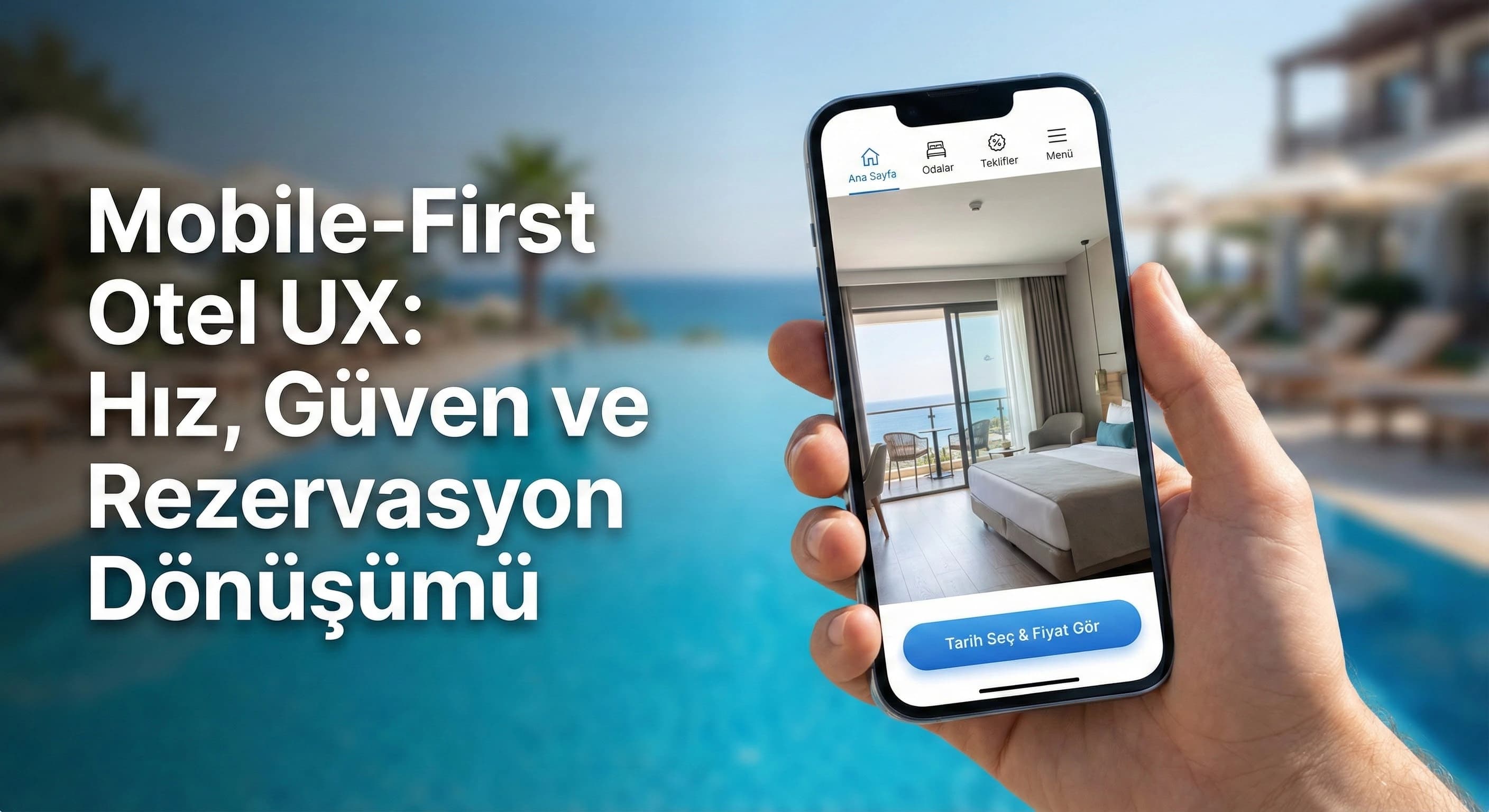
Hotel Mobile-First UX: Reservation and CWV Guide
The mobile user does not want to “surf” through the hotel website; Wants to decide quickly: is there availability, does the room fit my needs, is the price/condition clear, can I pay safely? Mobile-first UI/UX establishes design and content architecture mobile-first to answer these questions with minimal friction. Especially in resort destinations such as Antalya/Belek, users often come from mobile sources such as social media-search-map; He wants to quickly enter the “choose a date–choose a room–pay” line. In this article; We will put mobile UX, Reservation Funnel, Core Web Vitals and the conversion relationship into a hotel-specific framework.

How to Increase Conversion Rate in Booking Calls? Scripts and Techniques
“The guest always says 'let me think' and hangs up” is the most frequently heard complaint on most hotel reservation lines. This is usually related to the need not being clear, the offer remaining vague, or not providing a safe guidance at closing, before the "price is expensive" problem. Reservation conversion by phone; It develops like a "muscle" with the right question set, option setup, objection response and coaching cycle. Especially in peak season areas such as Antalya, Belek, Side and Kemer, even small improvements can significantly reduce missed calls (directional insight).

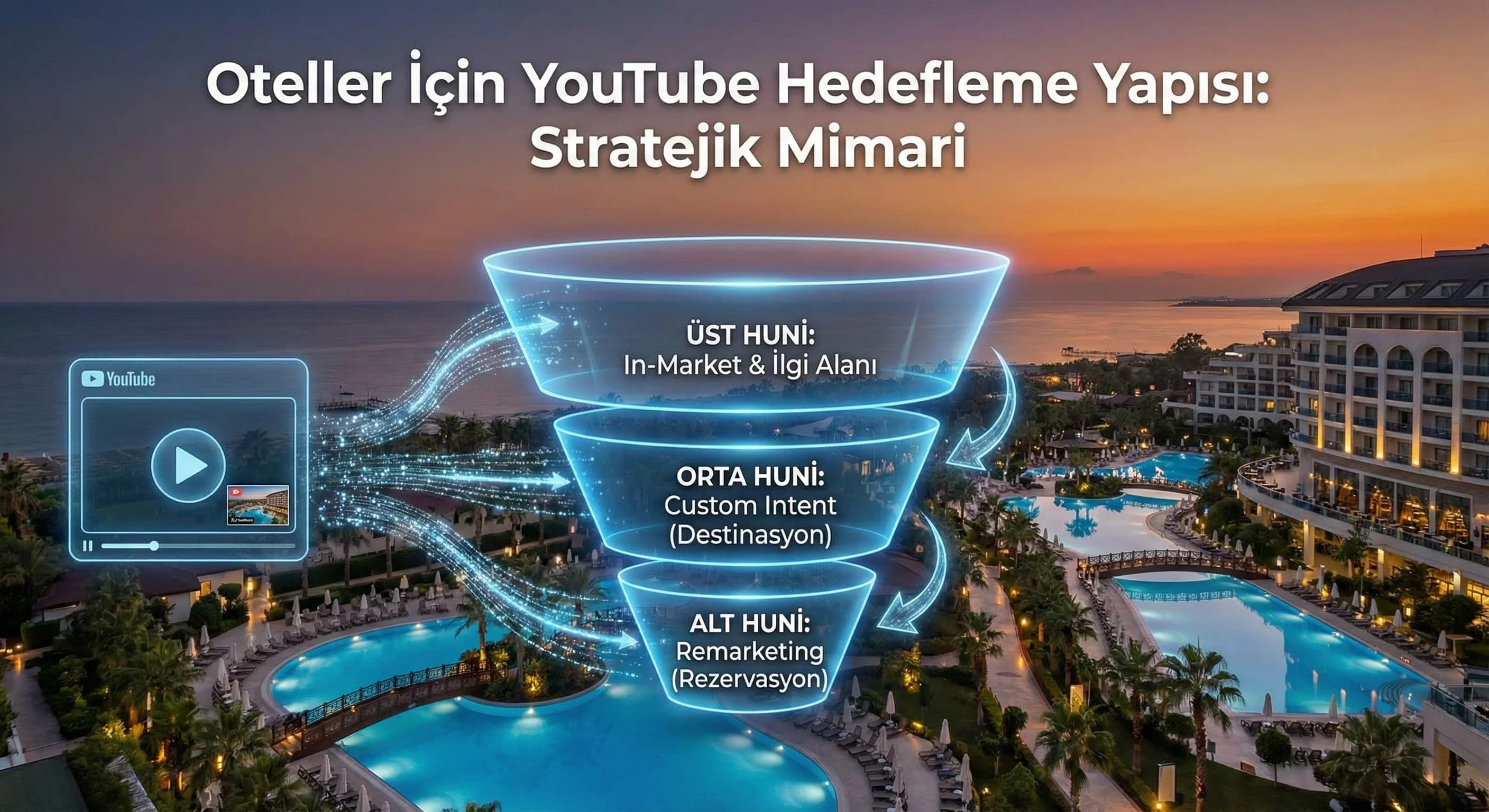
How to Set Up a YouTube Targeting Structure for Hotels?
Even if the “format” is correct in YouTube campaigns, if the targeting architecture is weak, the budget will quickly be wasted. The real game for hotels is to use travel intention (in-market), destination/concept interest (custom intent) and near-booking signals (remarketing) in the right order within the same structure. This guide offers a system where you can make decisions in the context of hotel/tourism, rather than explaining targeting types one by one. Key data point: Even though CPV appears to increase in properly targeted campaigns, the cost per site visit/lead/reservation generally becomes more efficient. (Assumption: softened as industry general insight; exact figure not given.)

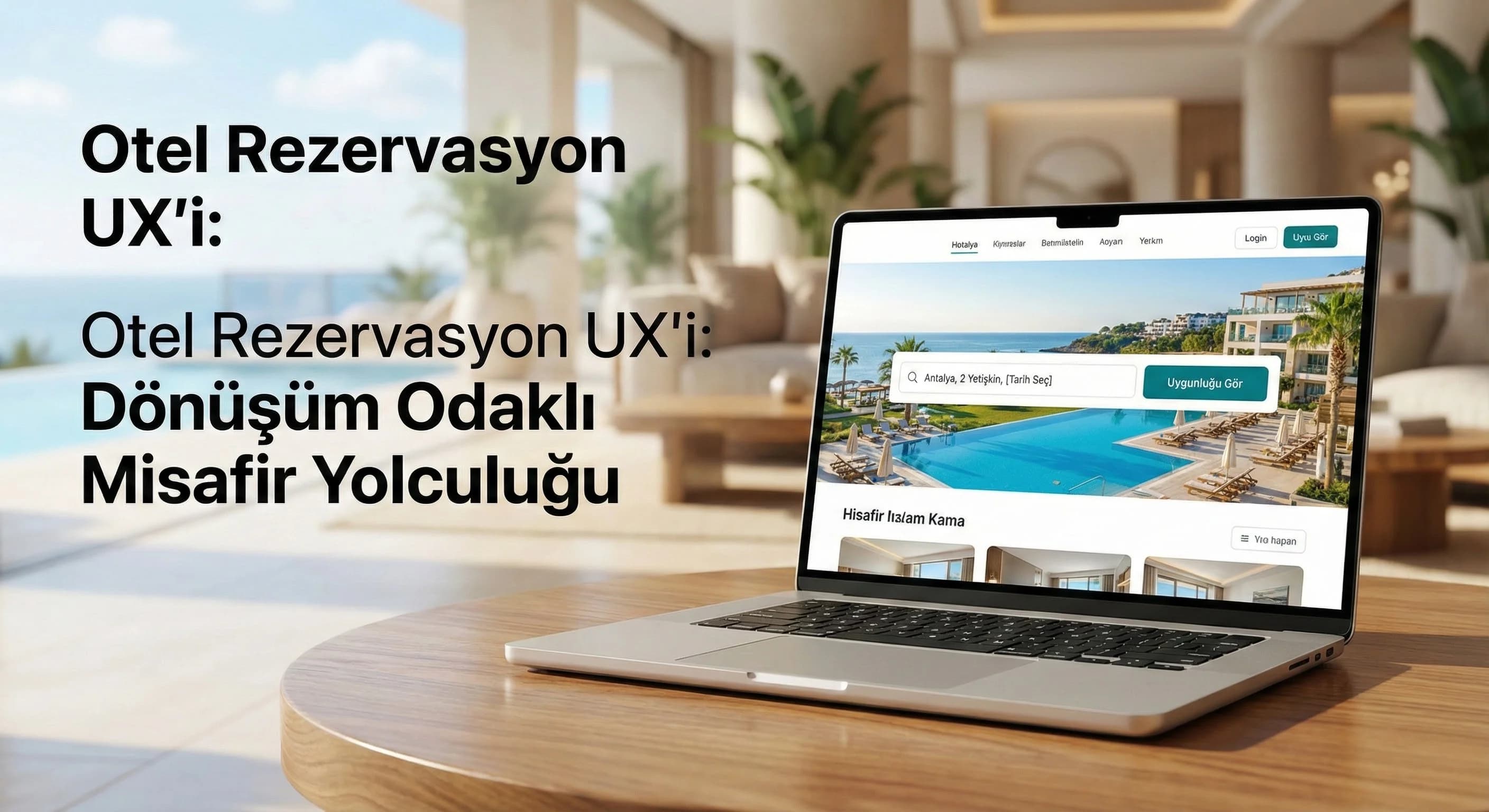
How to Design Hotel Reservation UX? The Essential Guide to Guest Travel
The booking flow on hotel websites often works like a revenue production line, not a “design”: the guest finds the right room, feels confident, understands the price, and moves on to the payment step. When unnecessary friction (excessive steps, uncertain price, insecure payment perception, complex form) occurs in any link of this chain, the reservation funnel is broken and the Conversion Rate decreases. This guide; Taking into account resort, city and boutique hotel scenarios, it offers a framework for you to establish the guest journey from discovery to payment with the principle of "few steps + clear information + high trust".

What is a Hotel Reservation Call Center, How Does Flow Work?
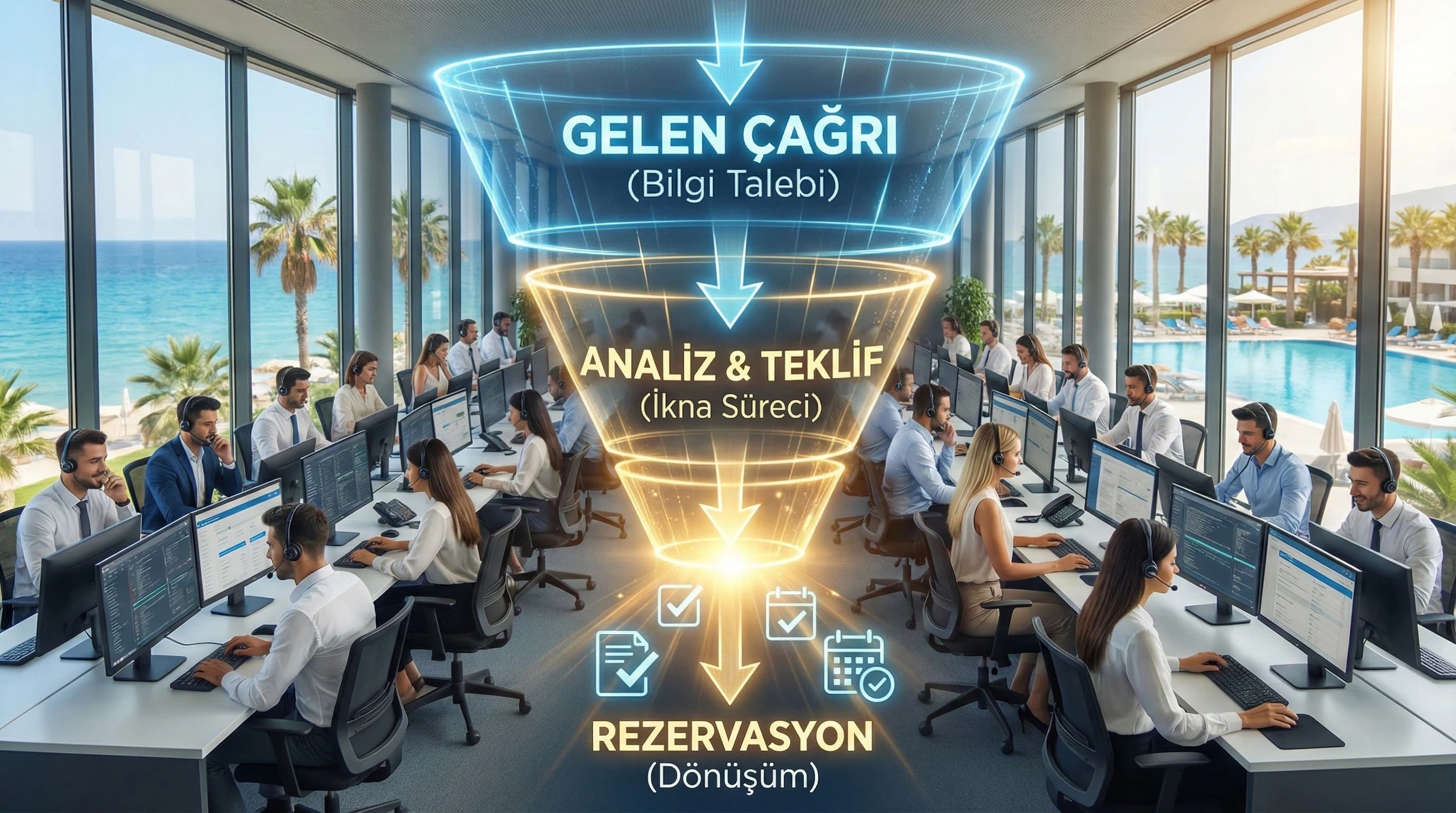
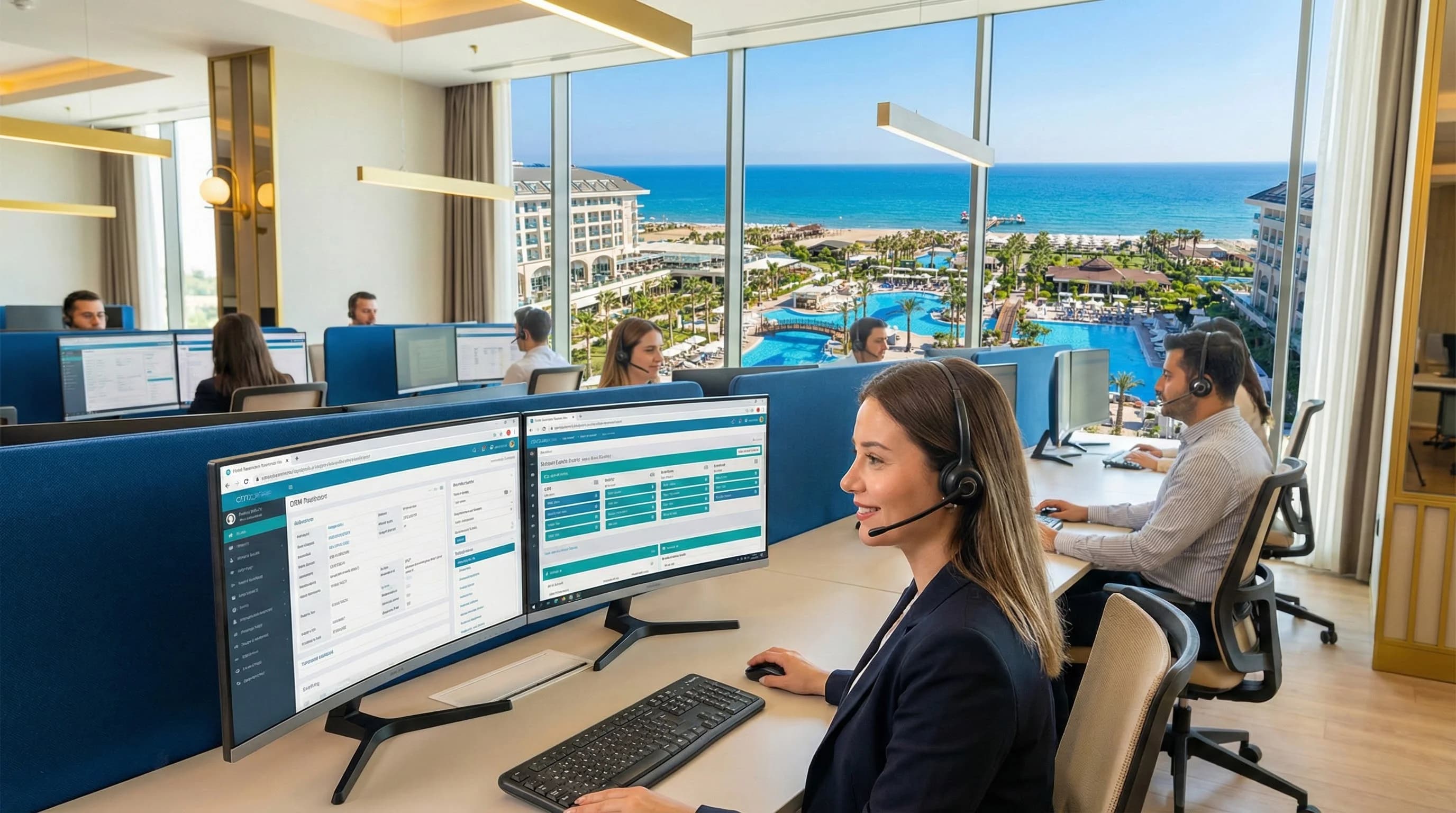
The hotel website, OTA, social media and advertisements direct the guest to search; When the call comes, the "hotel reservation call center" is actually the closing gate of the reservation funnel. The goal here is not just to pick up the phone; To understand the need correctly with a reassuring welcome, to explain the suitable room/offer correctly, to make error-free registration on PMS and to convey the approval clearly. Considering that the reception deals with check-in/out and guest relations at the same time, especially in resort areas such as Antalya, Belek, Side, Kemer and Bodrum, during peak season periods, a streamlined reservation flow makes phone traffic manageable.

Hotel Benchmark Analysis: KPI & Competitor Set Antalya
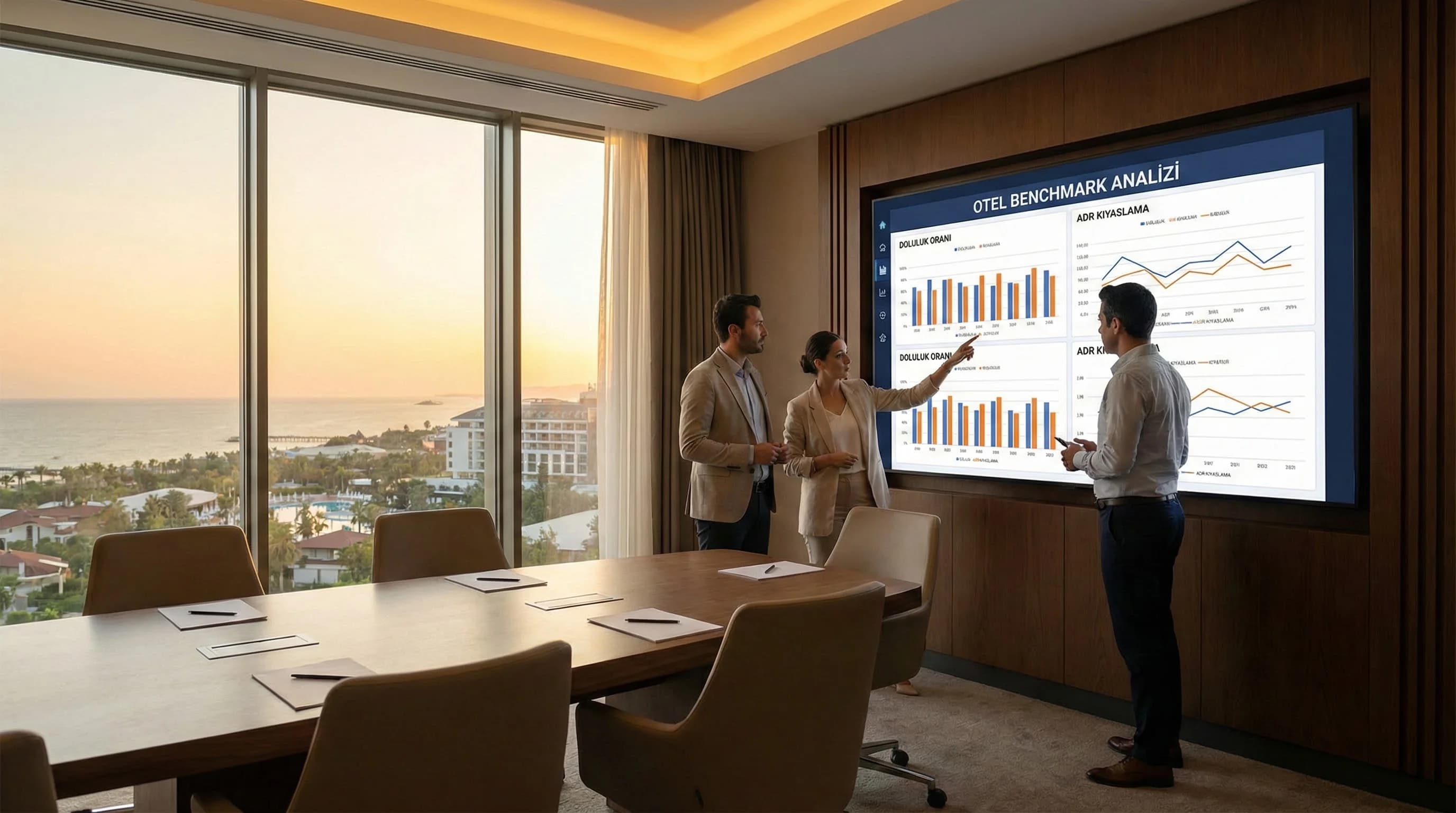
Reading hotel performance simply as “we increased by X% compared to last year” often gives an incomplete picture. Because the market may have grown in the same period, competitors may have cut prices aggressively, or demand may have shifted regionally (e.g. in the Antalya-Belek line). Benchmark analysis is exactly why; positions your hotel within the market and asks “are we doing well?” answers the question with the framework of comparison. In this guide, we will explain step by step what a benchmark is, which KPIs to work with, how to choose a set of competitors, and how to set up a simple routine.

How to Position a Hotel Instagram Account? Basic Strategy Guide
Beyond being a “visual showcase” for hotels, Instagram is the first point of contact of the demand engine when designed correctly. Positioning; “what am I sharing?” Before the question "Who am I reaching, at what stage of intention, with what action?" answers the question. In this guide, we will build a hotel/resort Instagram account into a measurable content and funnel structure on the axis of brand perception + direct booking intention.

How to Prepare a Script and Storyboard for a Hotel YouTube Commercial?
YouTube commercials are not a “visual showcase” in hotels; If constructed correctly, it is a performance tool that combines demand creation + evaluation + transformation layers on the same creative backbone. The problem is: most videos consist of “beautiful images”, but because the message flow and scene priority are not planned, viewers are lost in the first 5–10 seconds. In well-edited videos, the retention rate in the first 5–10 seconds is generally higher; This is directly reflected in advertising performance. (Assumption: sectoral general insight; no exact numbers claimed.) This guide; hotel promotional film scenario, storyboard example (hotel video) and “YouTube hotel video script” practicalizes the logic according to hotel types: resort, city, boutique.

How to Set Up a YouTube Targeting Structure for Hotels?
Even if the “format” is correct in YouTube campaigns, if the targeting architecture is weak, the budget will quickly be wasted. The real game for hotels is to use travel intention (in-market), destination/concept interest (custom intent) and near-booking signals (remarketing) in the right order within the same structure. This guide offers a system where you can make decisions in the context of hotel/tourism, rather than explaining targeting types one by one. Key data point: Even though CPV appears to increase in properly targeted campaigns, the cost per site visit/lead/reservation generally becomes more efficient. (Assumption: softened as industry general insight; exact figure not given.)

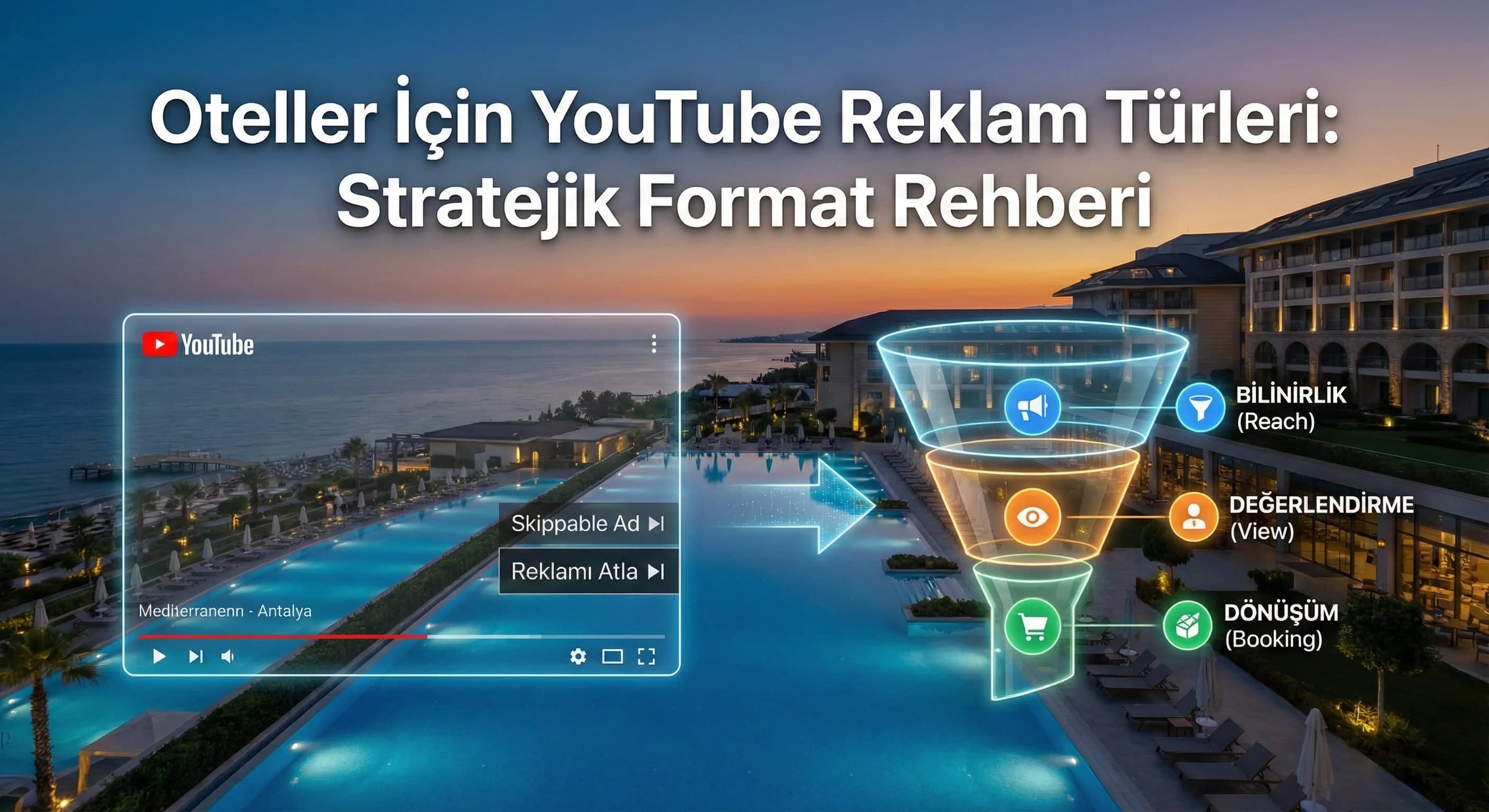
YouTube Ad Types for Hotels: Which Format to Use and When?
YouTube is one of the most powerful channels that trigger “inspiration” in hotels: the guest visualizes the destination and concept through video before searching. A common industry insight is that for most properties, YouTube is cited as a top 3 channel for brand visibility; Therefore, increasing the budget without choosing the format according to the target is generally inefficient. This guide; It connects TrueView/skippable, non-skippable, bumper and discovery/in-feed formats to the hotel funnel and provides a practical selection system.

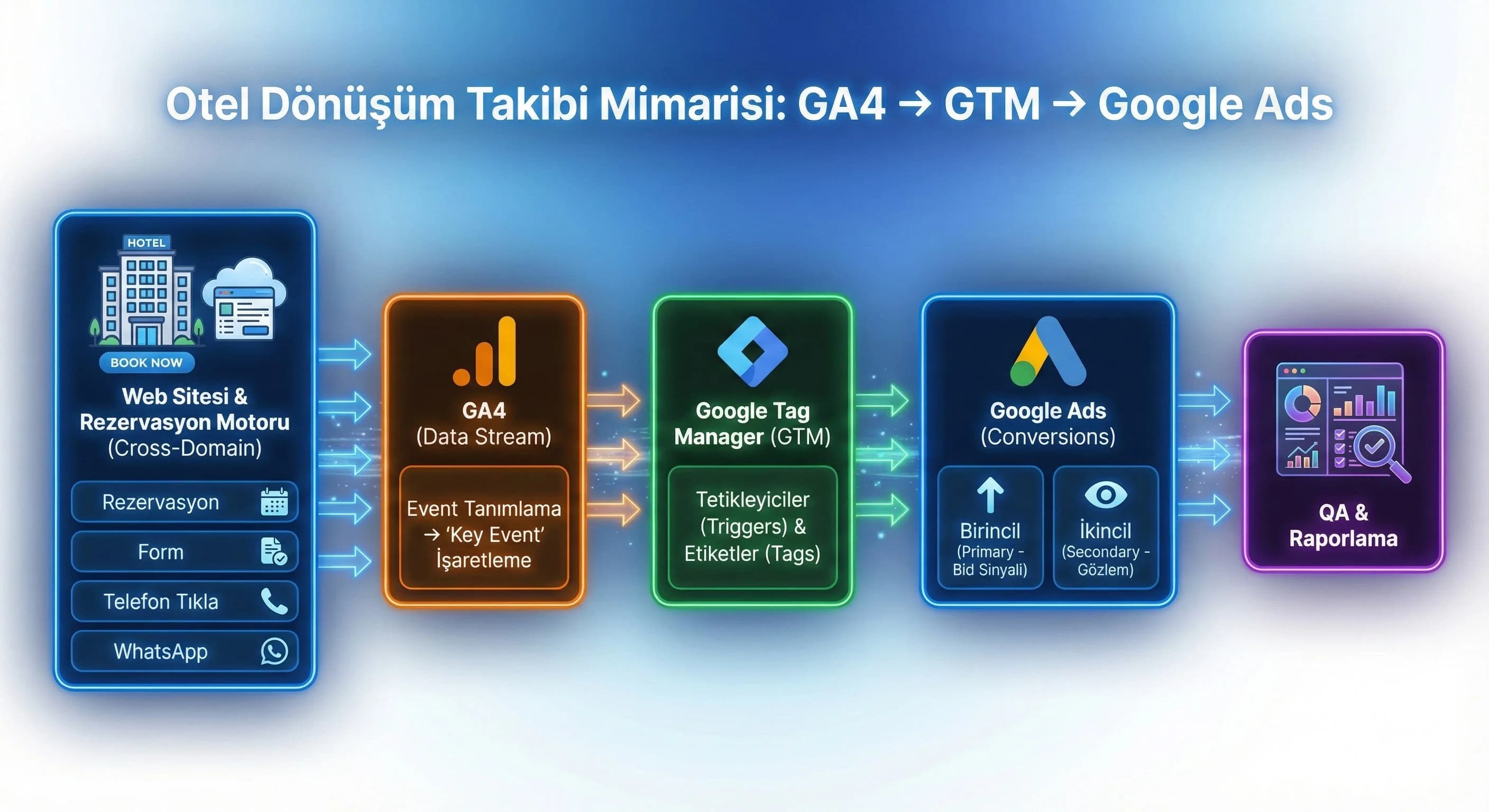
How to Set Up Conversion Setup and Tracking in Google Ads for Hotels?
In hotel advertisements, performance is often determined by measurement accuracy, not "budget". Because Google Ads (especially automatic bid strategies) refer to the conversion signal: if the conversion is wrong, the optimization is also wrong. In this guide; We will classify hotel-specific conversion types, install the GA4 + GTM architecture, clear the signal with primary/secondary conversion distinction in Google Ads, and prevent booking engine cross-domain errors.

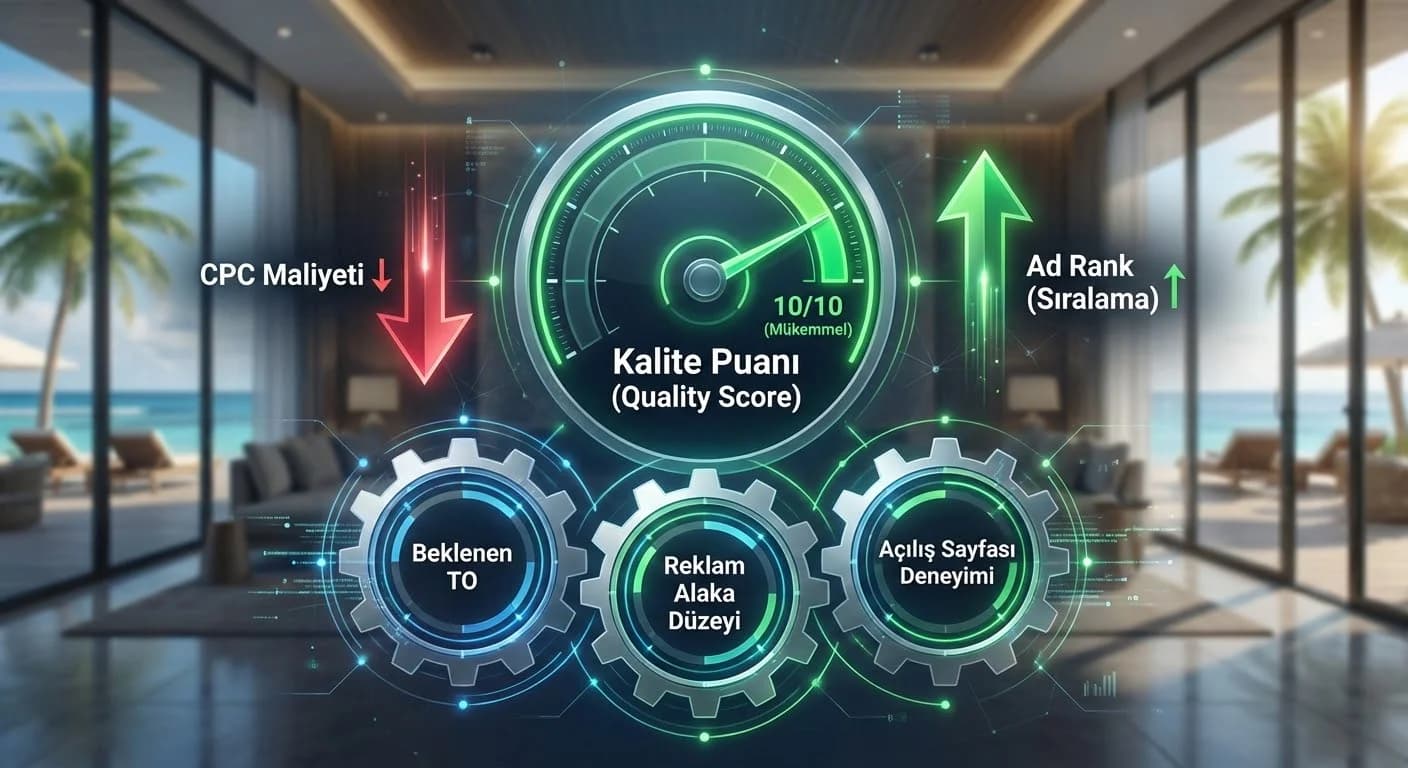
What is Google Ads Quality Score and How to Increase It?
Quality Score is one of the most invisible reasons that inflates CPC in hotels, especially in "room type + destination" searches (e.g. Belek resort, Antalya family hotel, Kemer beachfront): if the ad and the page do not clearly respond to the searcher's intention, Google reflects this back with the "quality" signal. Think of the Quality Score as a diagnostic panel, not a “rule book”: it tells you which component is pulling you down, and you intervene at the right point. Google already defines this as a “diagnostic tool”.

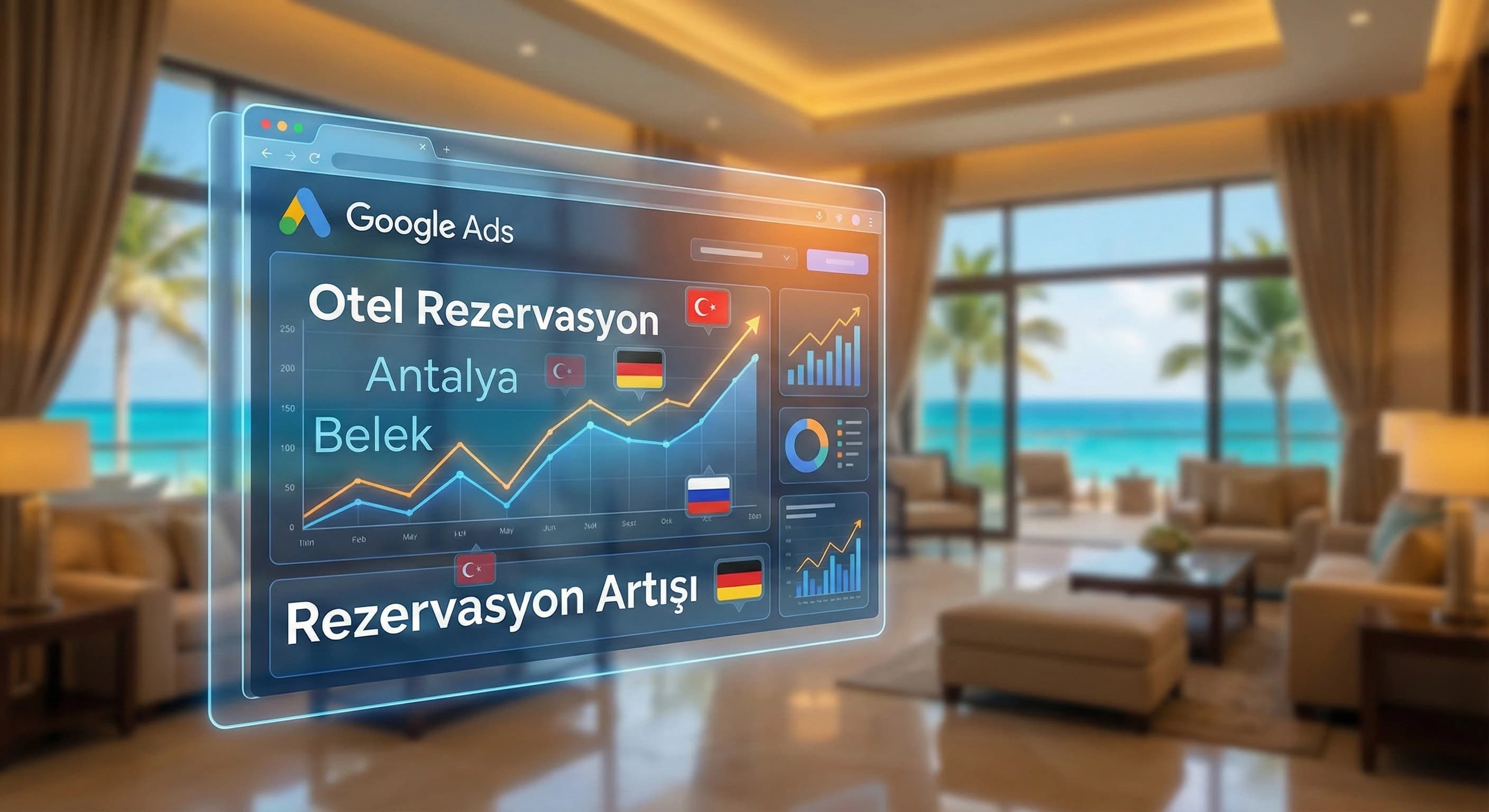
How Does Google Ads Work for Hotels? Basic Logic and Beginner's Guide
If you look at Google Ads not as "I am advertising" but as if I am establishing a measurable system that produces reservations, you will get results. Things in hotels generally change according to season, market (Türkiye/Germany/Russia) and destination (Antalya, Belek, Side, Kemer, Bodrum); Therefore, it is necessary to clarify the goal in the first place. This guide; It explains the concepts simply, connects campaign types with hotel examples, and takes you step by step to your first campaign.
How to Set Up Google Ads Account and Campaign Architecture?
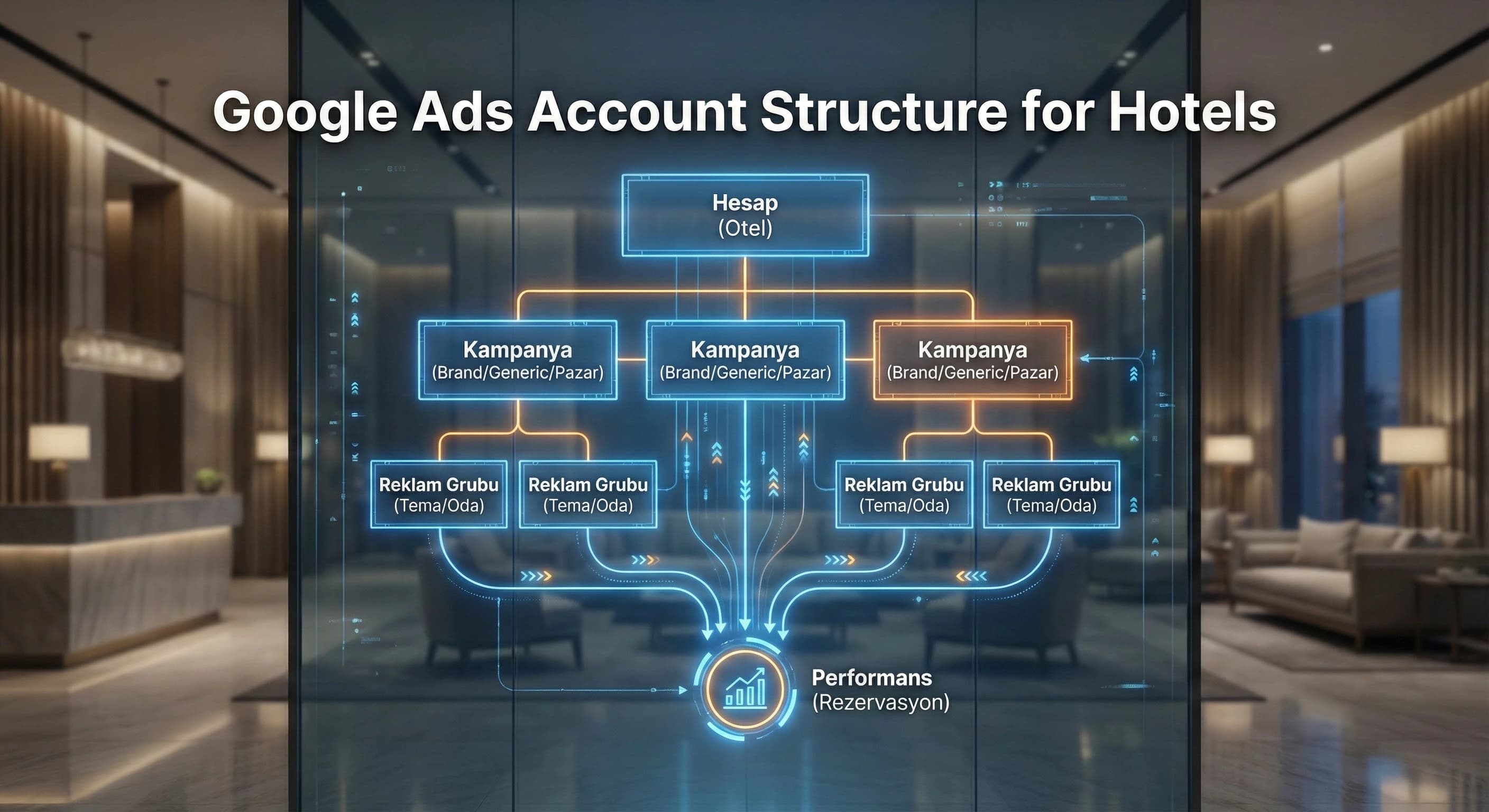
In Google Ads, performance is achieved through architecture before “tweaking” in most hotels. Because the account structure; It determines how you control the budget, how you read the data, and what you want the algorithm to “learn.” Google Ads is a tiered system: organized into accounts → campaigns → ad groups; campaigns carry budget and targeting settings, and ad groups carry similar keywords and ad sets.

How to Determine Google Ads Budget and Bid Strategies?
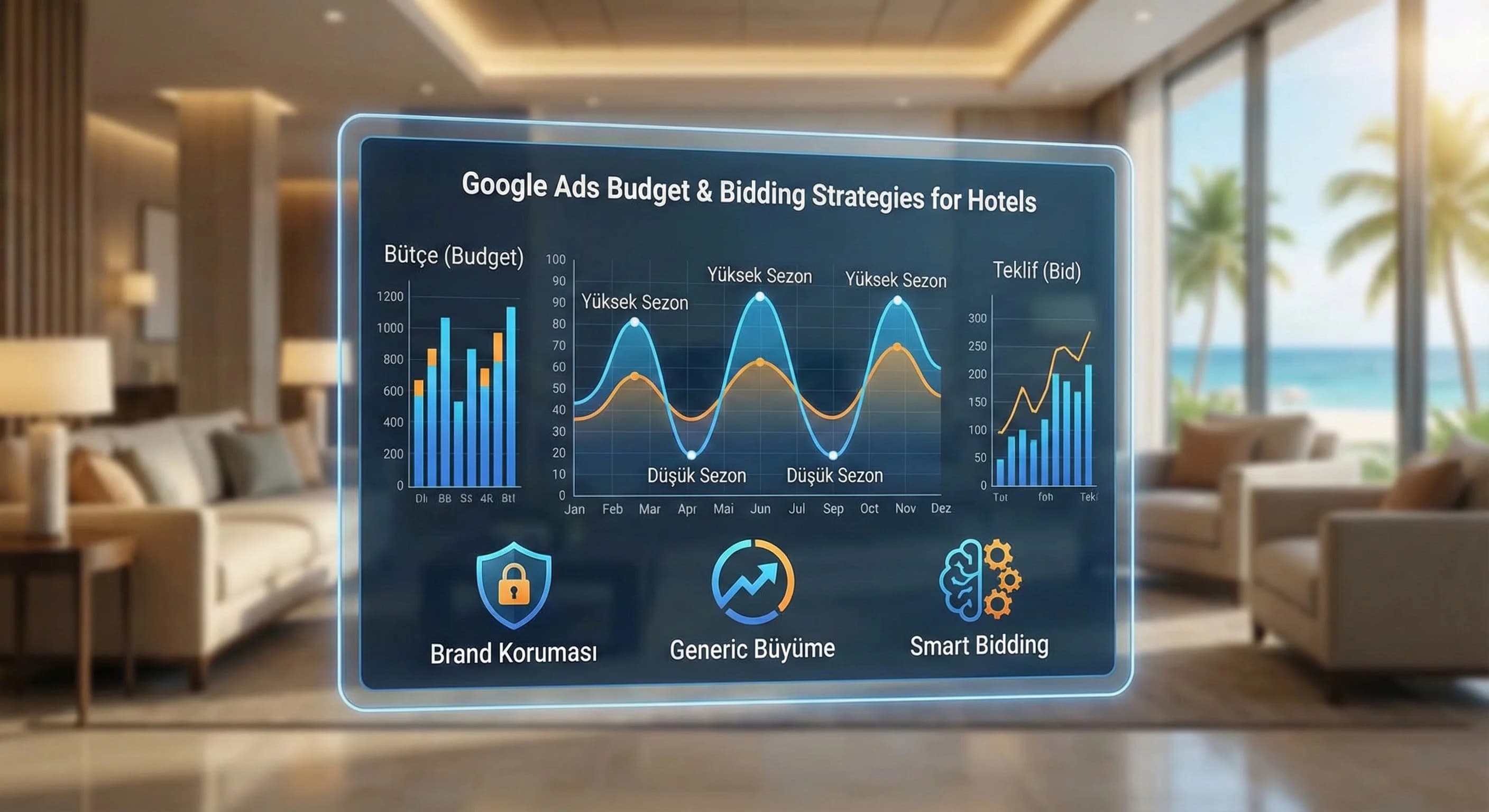
The problem of "I increased the budget but there was no result" in Hotel Google Ads often arises not from the budget, but from the architectural + bid decisions that control where and how the budget is spent. This guide; It combines the daily/monthly budget model, seasonal wave (high season/low season) and manual–smart bidding difference with hotel scenarios. Our goal is simple: secure the brand campaign, clarify the target KPI, distribute the budget according to the market, and automate until you deliver.

Hotel Review Management: Local SEO Scoring Guide
Reviews are not just “reputation” for hotels; it is also a powerful set of signals that influence visibility and click behavior in Google Maps (Local Pack). Having a sufficient number of regular and high average comments; Additionally, responding professionally to reviews tends to increase guest trust and conversion intent. In this guide, we put the topic of “local SEO impact of hotel reviews” into a measurable framework instead of abstract suggestions: number of reviews, score, freshness (recency), response discipline and quality cycle. Here's the kicker: most competing content addresses comment management solely from a customer relations perspective; Here we also connect local ranking and SEO signal size to the process. We also explain how to establish an ethical and sustainable comment flow without engaging in risky practices such as fake comments.

GBP Hotel Optimization Checklist: Complete Profile
A poorly optimized Google Business Profile is like an incomplete window display for hotels: the user sees you but doesn't trust you; He clicks but cannot find what he is looking for; He cannot reach the reservation link and returns. However, filling in fields such as category, description, photo, features, telephone and reservation link completely; tends to increase map visibility, click-through rates, and direct booking potential (especially on mobile). This guide answers the question “what do I fill in?” It turns the question into a clear hotel-specific checklist and lists the things to do in the first 30 minutes.

Google Maps Ranking Factors: The Essential Guide to Hotels and Local Businesses
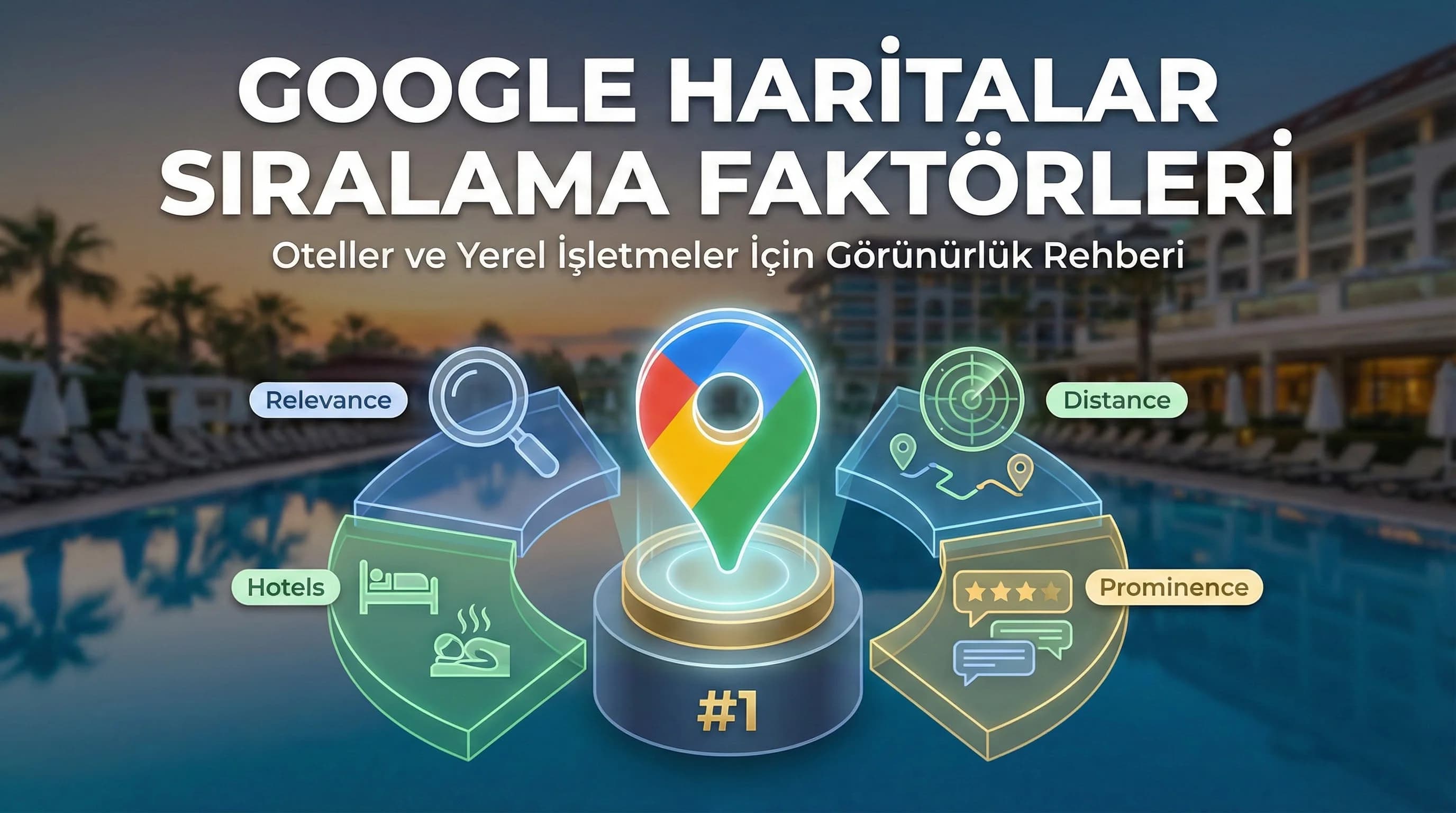
Google Maps and Local Pack have become the “first point of contact” for user behavior, especially mobile-focused. This area for hotels; It is not only a route or phone call, but also one of the channels where booking intent is collected fastest. In this guide, “why aren't we at the top?” We will break down the question into measurable signals rather than abstract suggestions: proximity–relatedness–authority, Google Business Profile (GBP), reviews, NAP, and website impact.

Next.js Technical SEO: JS Problems and Solutions
Next.js and modern JavaScript frameworks; Powerful for speed, UX and development efficiency. However, the wrong rendering strategy and wrong URL/meta structure can make it difficult for Google to crawl the page and understand the content. In hotel and agency projects, risks usually arise in the same place: room listing/filter, reservation steps, dynamic routes, meta+schema and 3rd party scripts that disrupt performance. This guide is about “How does Google see?” It starts with the question and clarifies step by step the SSR/SSG/CSR selection, meta/schema and canonical standard, and common problem-solution scenarios in real life.

hreflang Guide: TR–EN–DE–RU Hotel SEO | DGTLFACE
“Wrong language results” on multilingual hotel sites is a problem that breaks your path to sales, even with good content. If the user lands on a Turkish page while searching in German, he loses trust, leaves the site and conversions decrease. hreflang exists to solve this problem; But when set up incorrectly, it conflicts with canonical, produces duplicate content and divides authority. In this guide, we will set up the TR–EN–DE–RU structure with the directory strategy, connect the hreflang–canonical relationship correctly, and close the errors by testing it through Search Console.

robots.txt & Sitemap: Crawling Hotel Sites | DGTLFACE
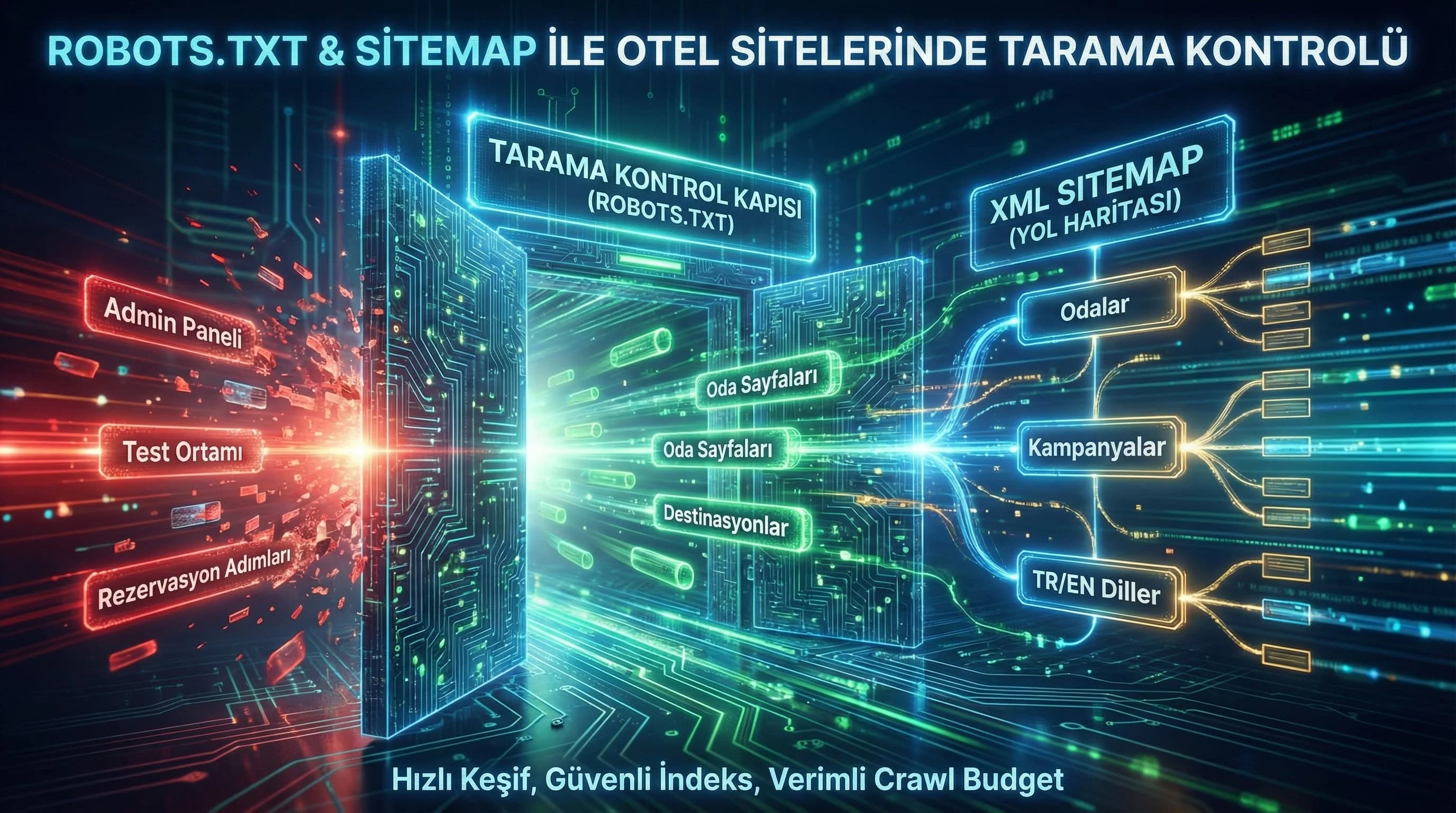
robots.txt and XML sitemap are two key control panels that shape how Google “sees” your site. Hotel sites; It is more fragile in terms of crawling efficiency due to its visual weight, campaign pages, multilingual structure and especially booking steps / filter URLs. The goal here is not to “block bots”; It is to show bots the right path and reduce the time they spend on unnecessary things. In this guide; We'll cover step by step which pages should be restricted, how to segment the sitemap, and how to verify with Search Console.

Site Architecture & URL Structure: Hotel/Agency SEO | DGTLFACE
Correct site architecture; It allows Google to crawl your site more efficiently, understand the relationship between pages more accurately, and allows users to navigate the site more easily. The biggest mistake on hotel sites is to enlarge the room-destination-concept pages "randomly"; On agency sites, the aim is to mix the services and distribute the authority. In this guide; We will establish silo logic, standardize URL rules, and make the architecture scalable in terms of “SEO + UX” with breadcrumb and internal link flow.

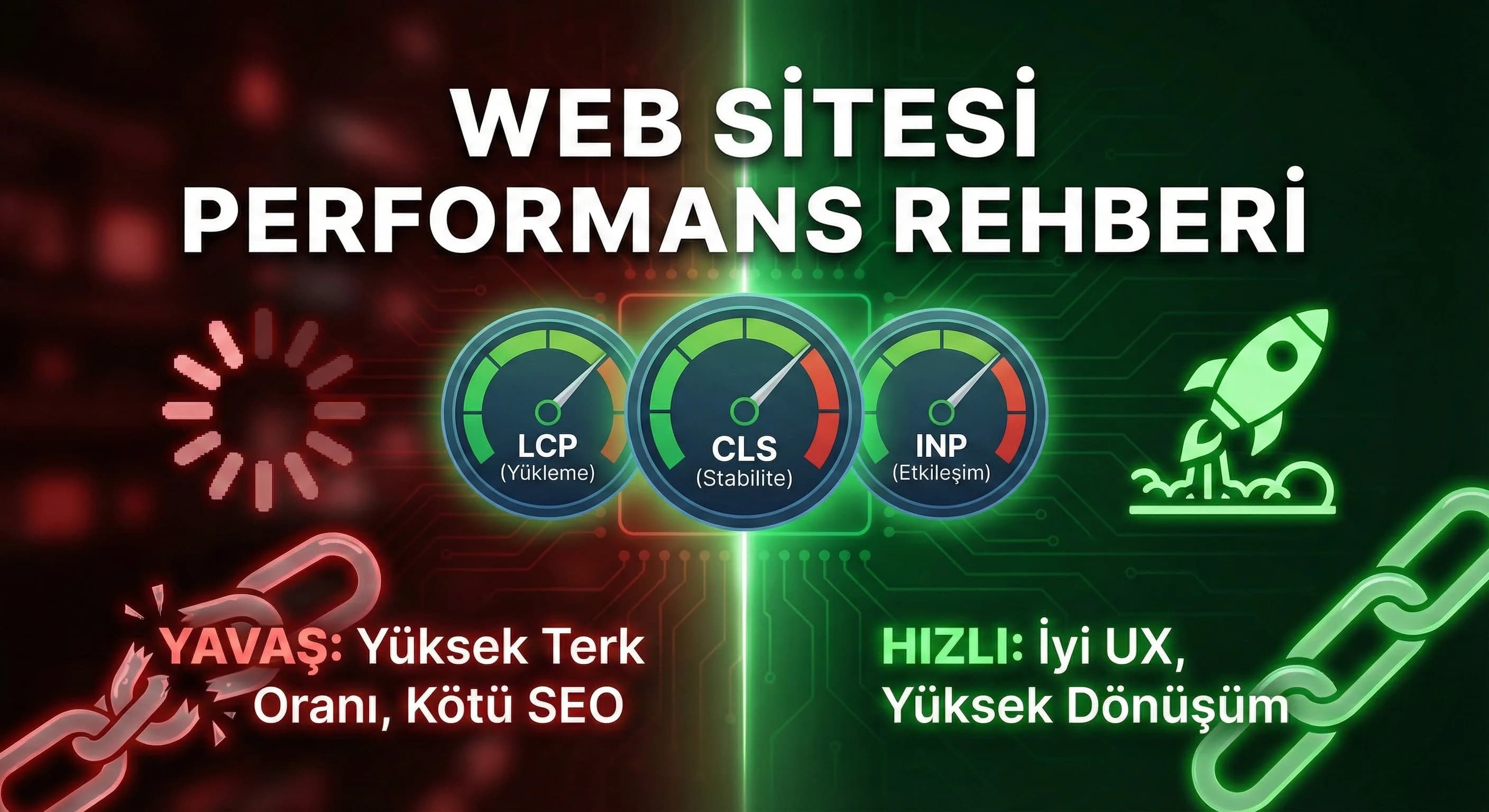
Core Web Vitals Guide: Hotel & Next.js | DGTLFACE
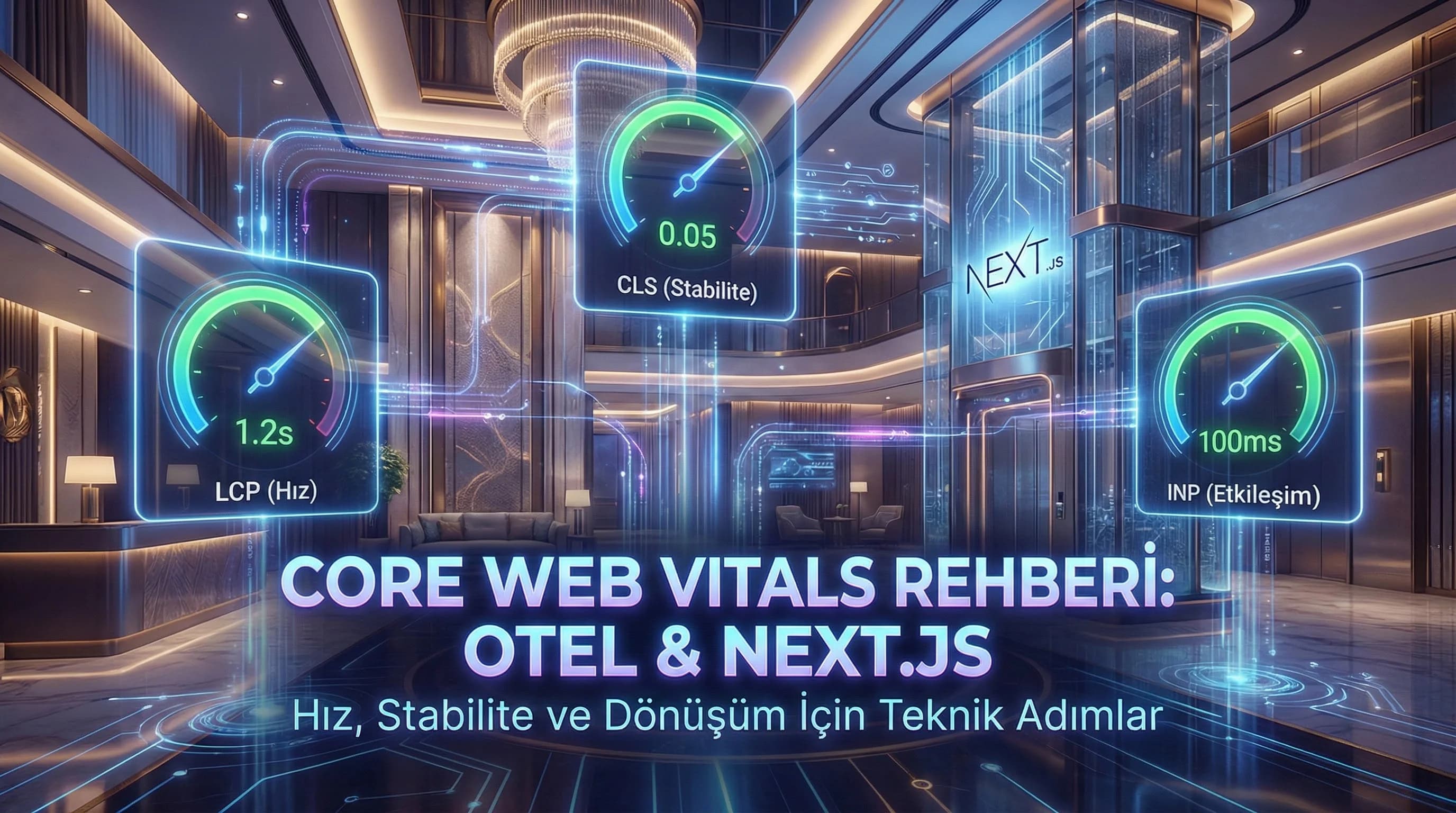
Core Web Vitals (CWV) is the set of metrics that Google uses to measure actual user experience in its “page experience” approach. Since hotel websites are generally visual, interactive (menus, modules, calendars) and full of marketing scripts, CWV problems are more common. In this guide, we will practically explain how to read LCP, CLS and INP, why they are broken in the hotel scenario and how to fix them step by step in modern frameworks such as Next.js.

Always-On and Campaign-Based Content Strategy: Differences and How to Balance?
“Constant sharing” and “only appearing during the campaign period” are two extremes, and neither produces sustainable performance. While periods such as season, early booking and last minute create the need for campaigns in hotel brands; If the brand voice (experience, trust, social proof) is not carried over during the non-campaign period, the account turns into a “billboard”. In B2B projects, launch periods require bursts; But without always-on thought leadership throughout the year, lead quality will fluctuate. This guide provides a workable model for balancing always-on and campaign content within a single annual SMM plan.

How to Establish a Social Media Strategy with Target Audience and Persona Research?
The "let's appeal to everyone" approach on social media means, in practice, "not being able to fully appeal to anyone". Proceeding with the same content tone, the same examples and the same CTA in hotel and B2B accounts; It makes it difficult to catch the right person and reduces the quality of conversion even if interaction is visible. The solution is to create 2-4 main personas through data-based target audience research and tie the content plan to these personas. In this article, we will establish a workable system step by step, starting from data sources to persona cards and the “persona column” in the calendar.

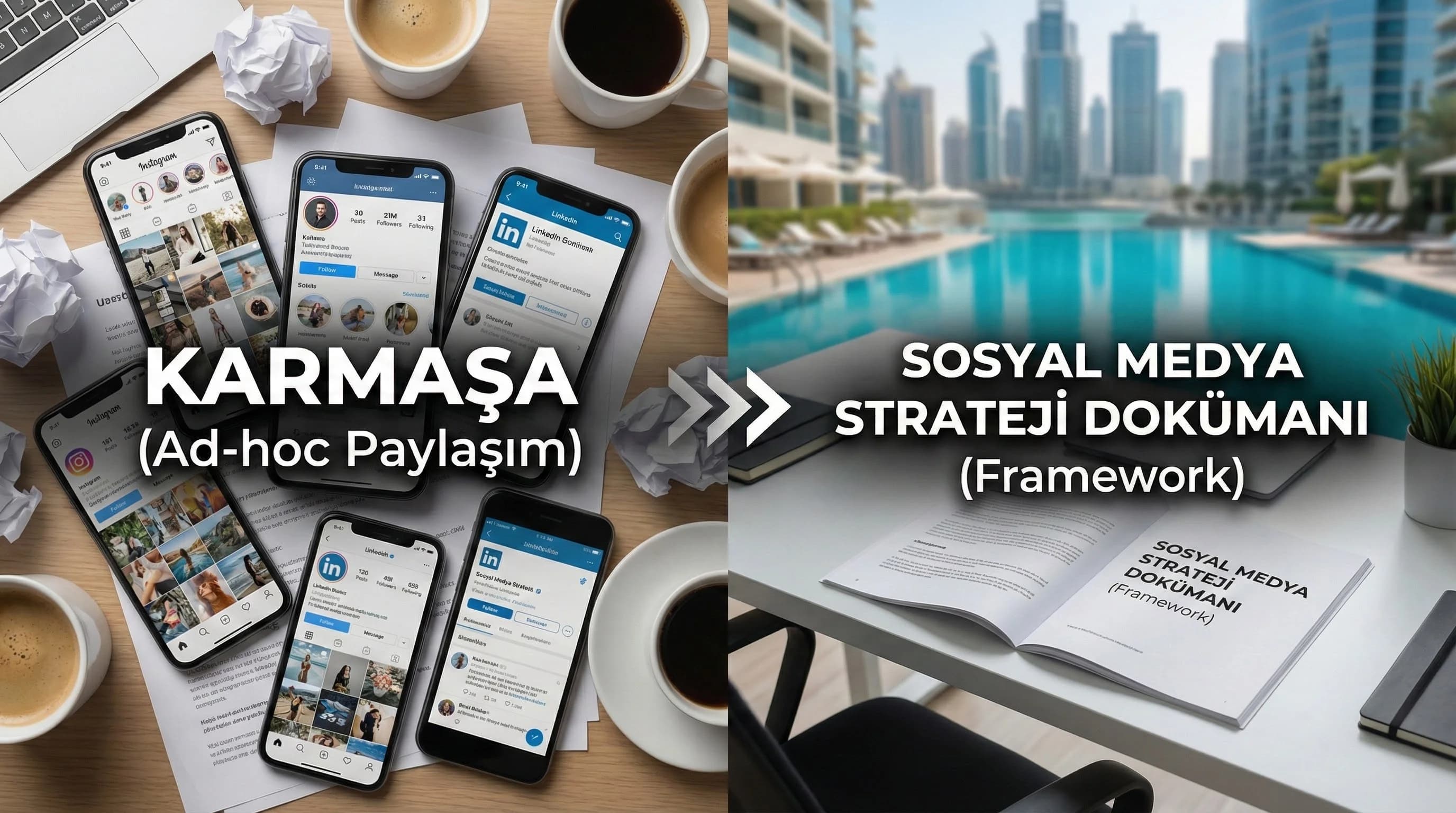
How to Write a Social Media Strategy? Step by Step Framework
Content production is easy; Building a content system that produces results is difficult. Most hotel and B2B/service brands think of social media as a “sharing calendar”: a few content ideas, some design, a few advertisements… However, the strategy document; It is a documented plan that connects the goal, KPI, audience, message, channel, budget and measurement under one roof. In this article, you will find the step-by-step framework that will turn the strategy for your brand into a system where “everyone is looking at the same page”.

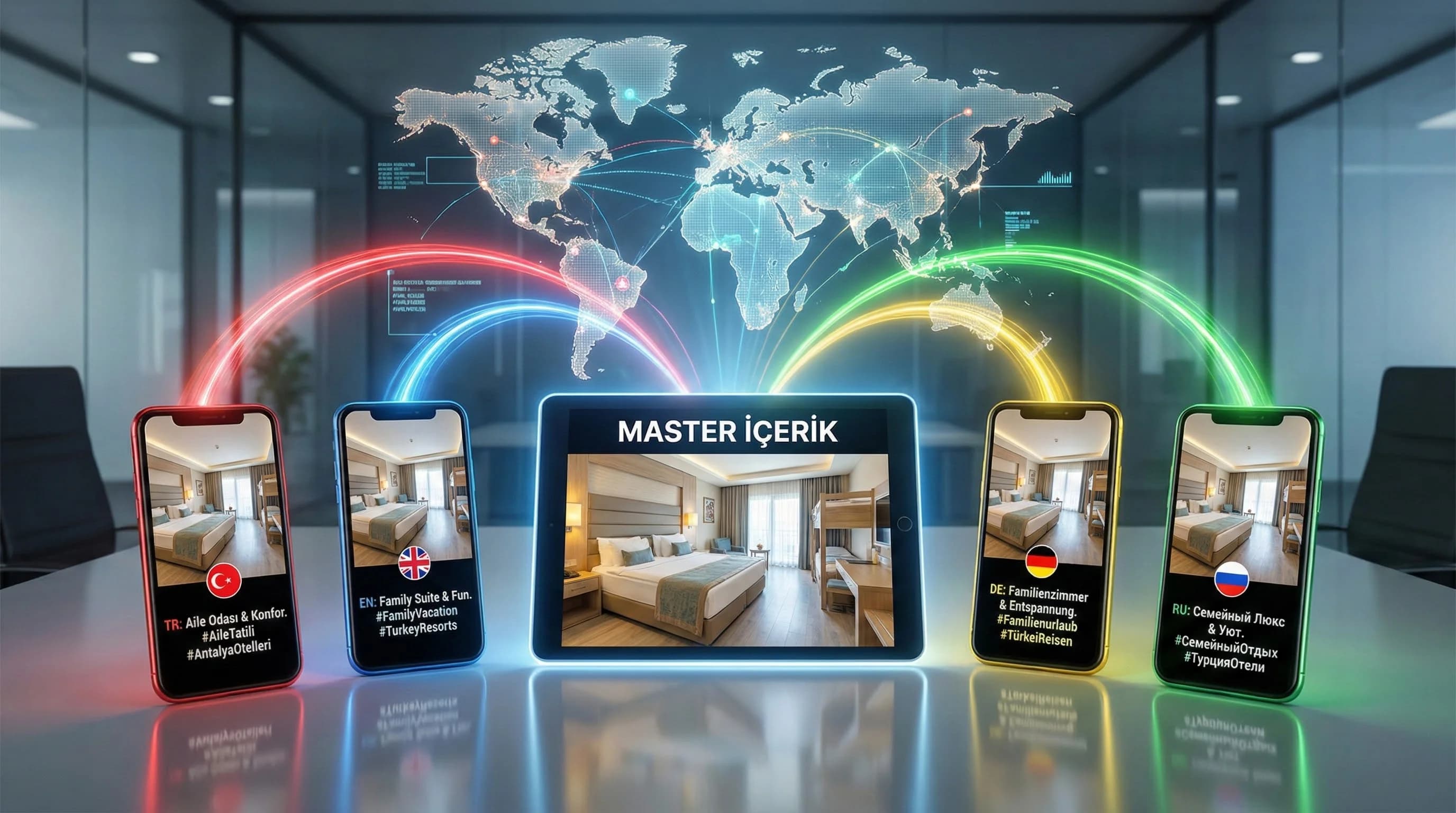
Multilingual Social Media Content Production: Strategy for TR–EN–DE–RU
Multilingual social media management starts from the wrong place in most teams: “Let's write the Turkish text, then translate it.” The result is often this: English looks “too flat,” German “too formal,” Russian “too short” or “too stiff”; CTA does not work; The language of interpretation remains incompatible. Because the problem is not the translation quality, but rather the failure to reconstruct the message according to the market. In this guide; We will discuss multilingual content production for TR–EN–DE–RU with a localization model: which content should be translated into which languages, how should it be adapted instead of copy–paste translation, should it be the same design or a separate design, cultural differences in the use of caption/hashtag/emoji and how should the team–approval–calendar organization be established?

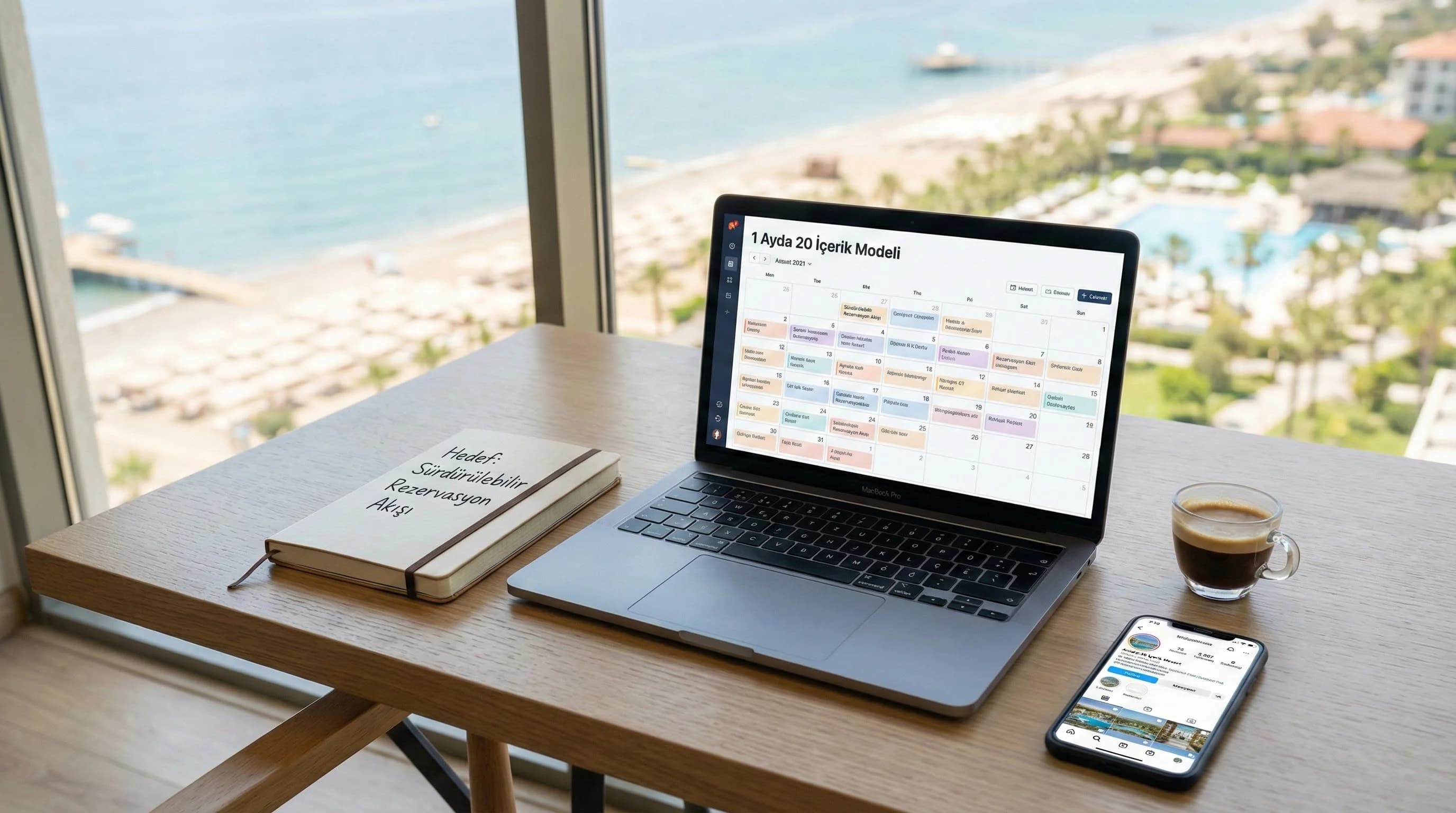
20 Content Models in 1 Month for Hotel and Tourism Brands
The problem with hotel social media management is often not “no team”; There is no system. Every day we ask “what will we share today?” Accounts that proceed with the question become blocked in the middle of the season and feed consistency is disrupted. Solution; It means thinking of content as a package, not one by one: you create a repeatable skeleton of 20 contents every month, then you just adapt it according to the season/concept. In this guide; We will establish 20 content models (8 posts + 8 reels + 4 story series) in 1 month for hotel and tourism brands with a theme/format balance. Distribute room, experience, destination and FAQ content according to the reservation funnel; I will give a sample calendar, visual/text skeletons and seasonal adaptation logic.

How to Establish Brand Identity, Visual Language, and Feed Consistency?
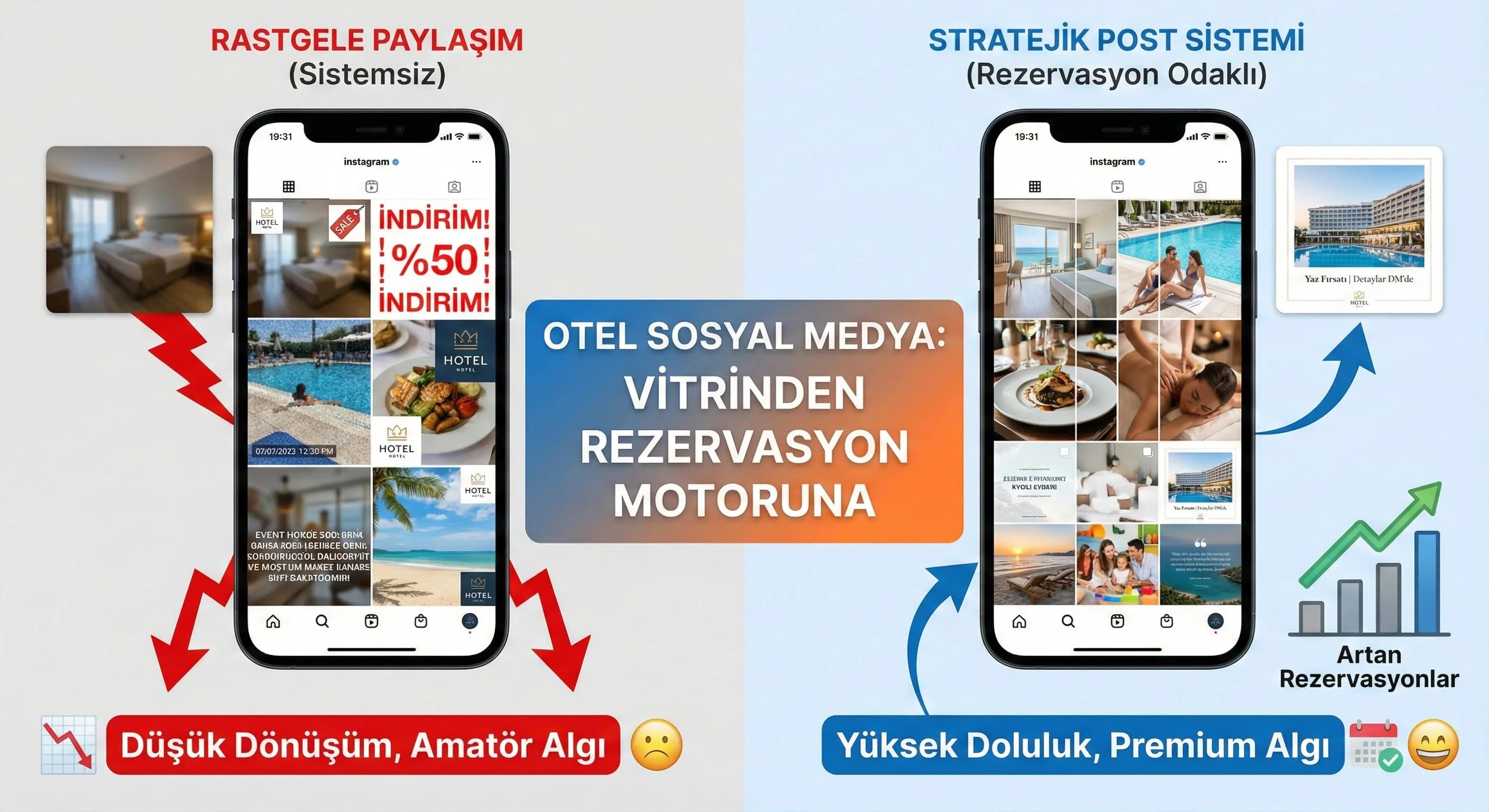
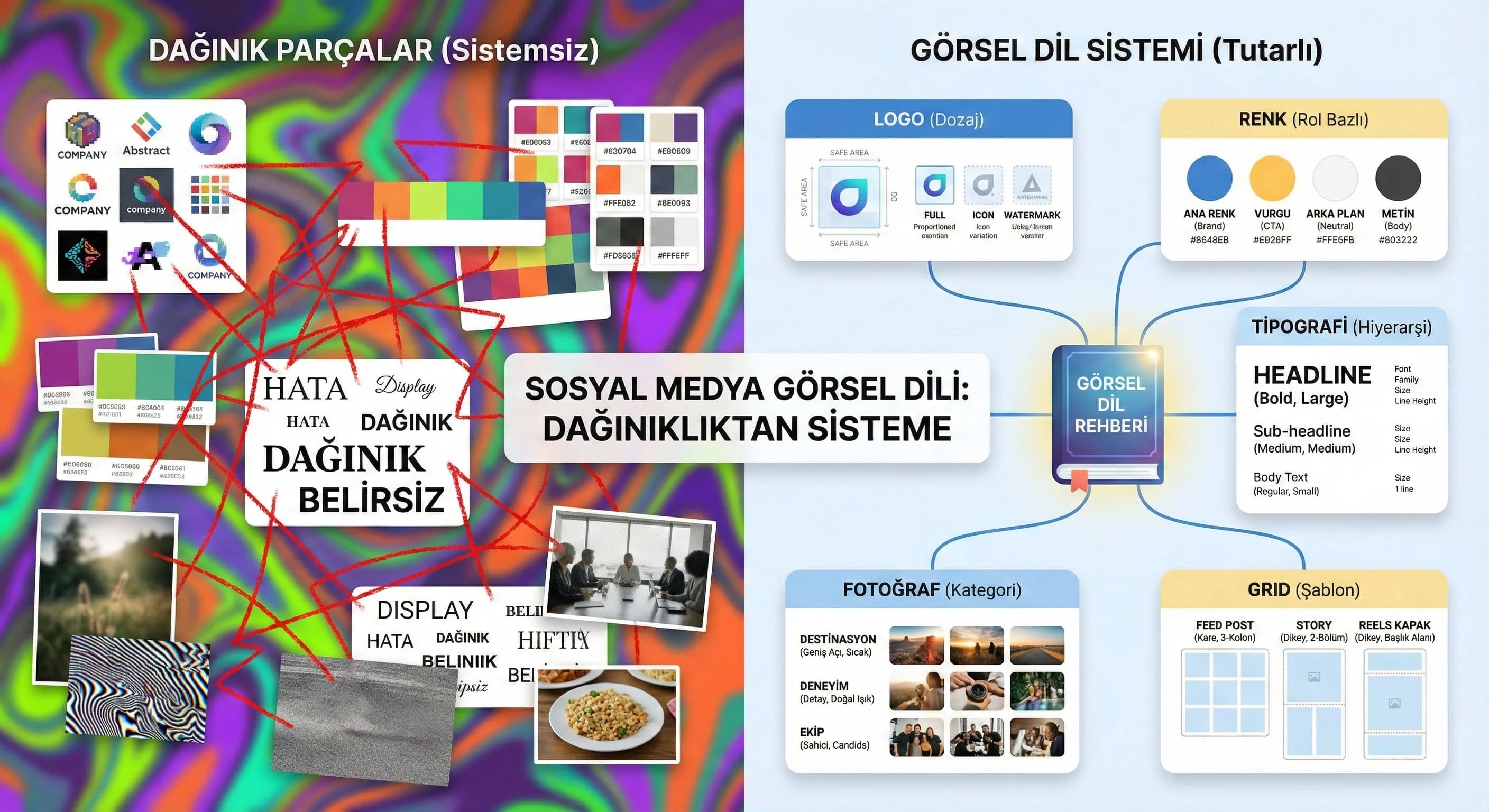
Your content may be good on social media; The titles are decent, the ideas are strong, the videos are high quality... but if the account still looks "messy", the problem is usually not in the content but in the visual standard. Users look at your account on Instagram (and even LinkedIn) for 3-5 seconds and make the following decision: "Is this brand professional? Is it recognized? Does it inspire trust?" Much of this decision is shaped by visual language before text. In this guide; We will clarify the steps of color palette, typography, photo/video style guide, grid patterns and format consistency to protect the brand identity on social media. We will proceed through applicable examples, mini style guide and feed mockup for hotel and B2B brands.

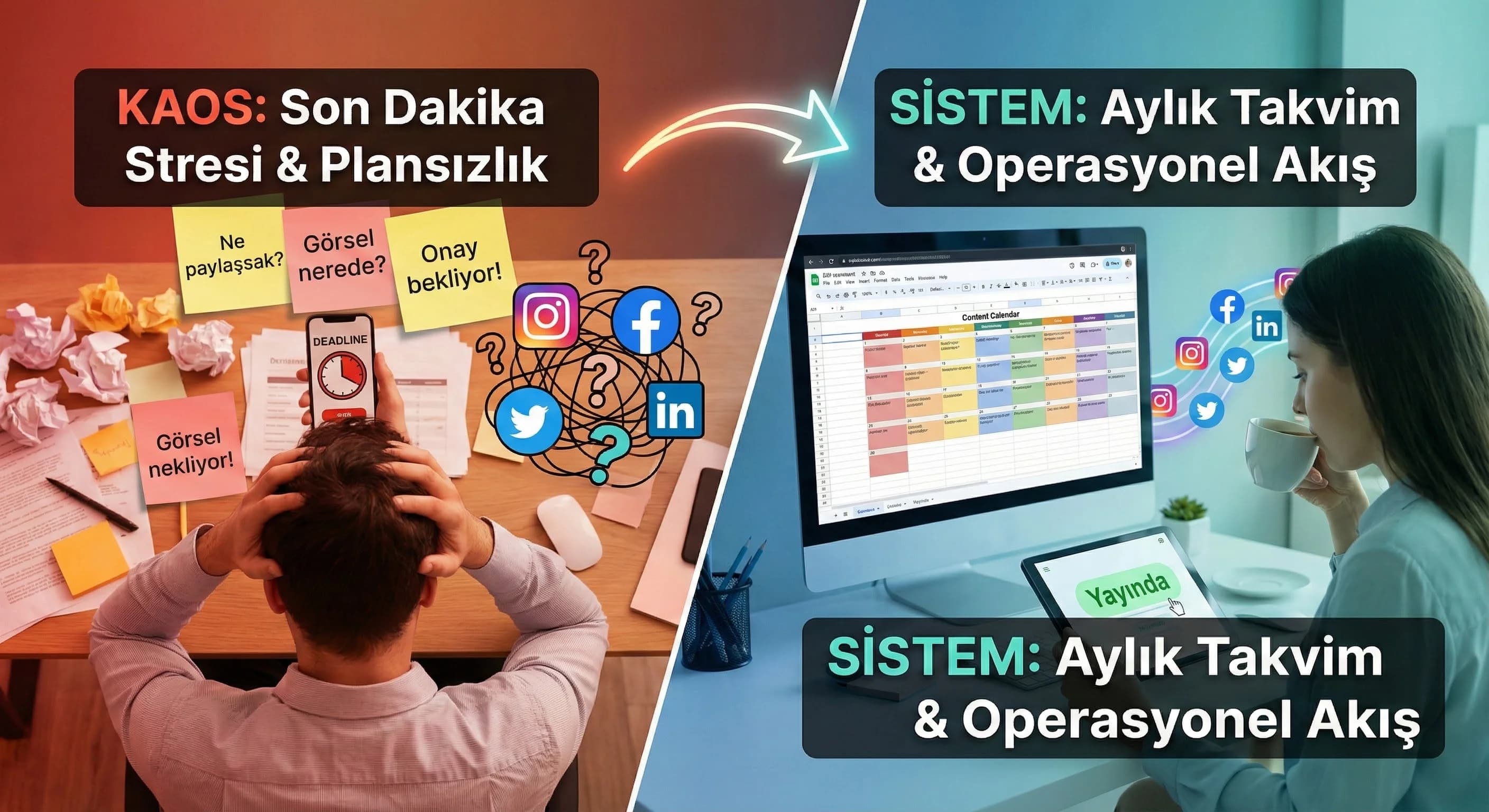
How to Set Up a Monthly Social Media Content Calendar? | DGTLFACE
The most expensive thing in social media production is not “excessive work”; It means producing repeat business due to lack of planning. The content shot today will be thrown away tomorrow because the campaign changes; design revision becomes longer; While waiting for approval, the publication date is missed. The most practical system that breaks this cycle is the revision cycle fed by a monthly content calendar + status flow + reporting. In this guide; I will explain step by step with which columns to set up the calendar, sample rhythm for hotel and B2B brands, approval-revision flow, and how to update the calendar with performance data. Here: Internal link center — /smm/social-media-content

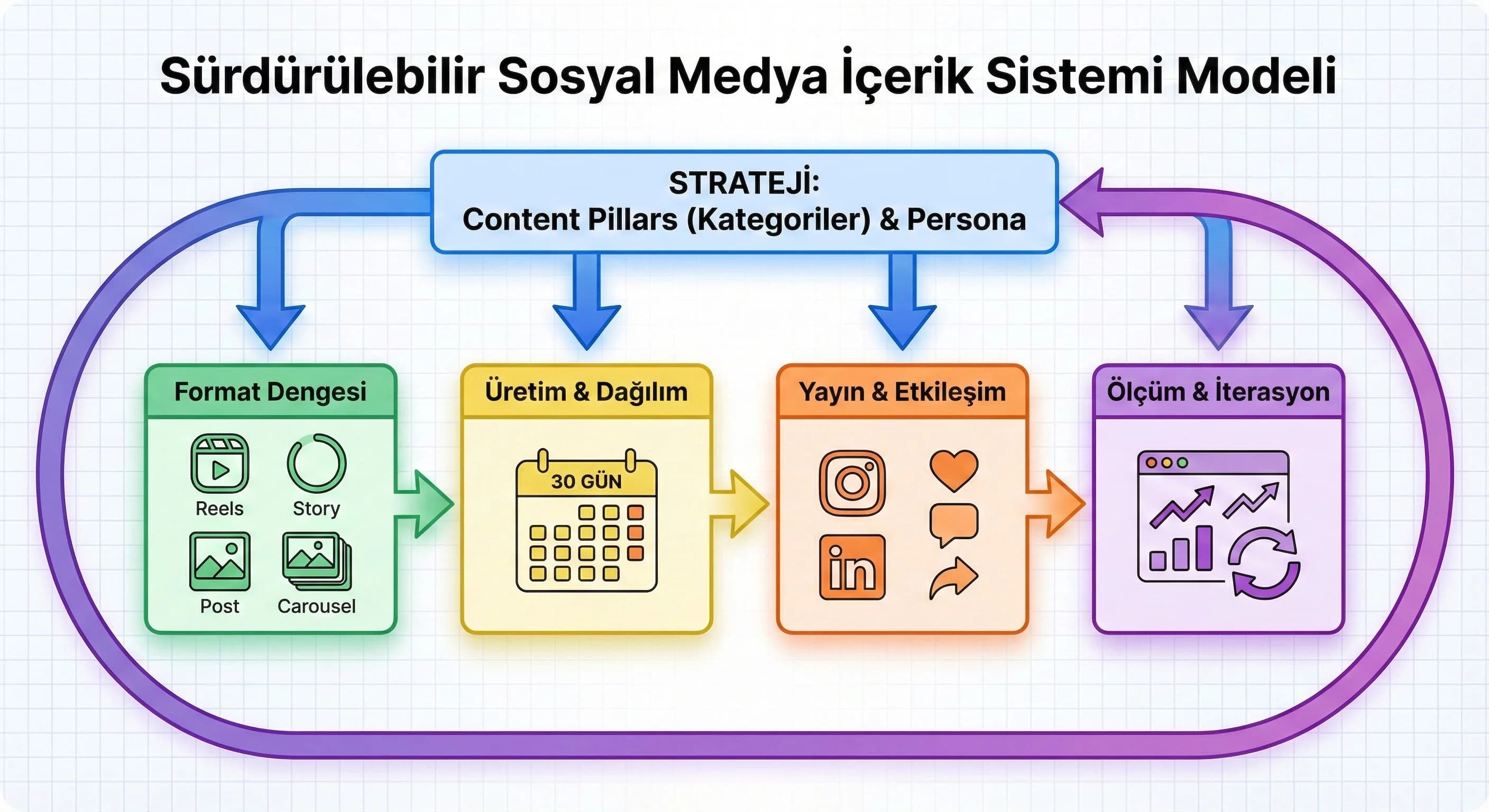
Social Media Content Strategy: Content Pillars and Format Balance
The biggest pitfall of growing a social media account is: "What should we share today?" Asking the question again every day. This approach produces movement in the short term, but in the medium term it distorts the brand language, reduces team motivation and, most importantly, makes measurement difficult. Because the contents flow as "singular ideas", not as a "system". In this article; You'll see step by step how to set up a strategy with content pillars (content categories), how to plan post/story/reels/video/carousel balance, and sample pillar sets for hotel/destination brands and B2B service brands.

Multilingual CMS Design: TR–EN–DE–RU Managing Content from a Single Panel
Multilingual structure is not just about putting a language switcher on the front-end; The real work starts on the CMS side. TR–EN–DE–RU manage contents with Excel + e-mail; It magnifies errors such as delayed translations, incorrect slugs, forgotten meta fields, and “missing language release”. A correctly constructed multilingual CMS; It increases the speed of the content team, clarifies agency operation and reduces SEO/localization errors. In this guide, locale fields vs separate entry approach, preview and translation workflow; We consider it together with hotel and B2B scenarios.

Role-Based Authorization and User Management: Security Architecture in CMS Panel
A CMS panel is defined by the published content as well as who can do what on it. Areas such as price/campaign on hotel sites, service/product pages and case contents in B2B projects; A wrong click may result in loss of income, reputational damage or KVKK risks. Therefore, the “one admin password” or “everyone editor” approach inevitably produces chaos in growing teams. Solution; It is a trackable panel security architecture built with RBAC (roles & permissions), approval flow (controlled publishing) and activity logs (activity logging).

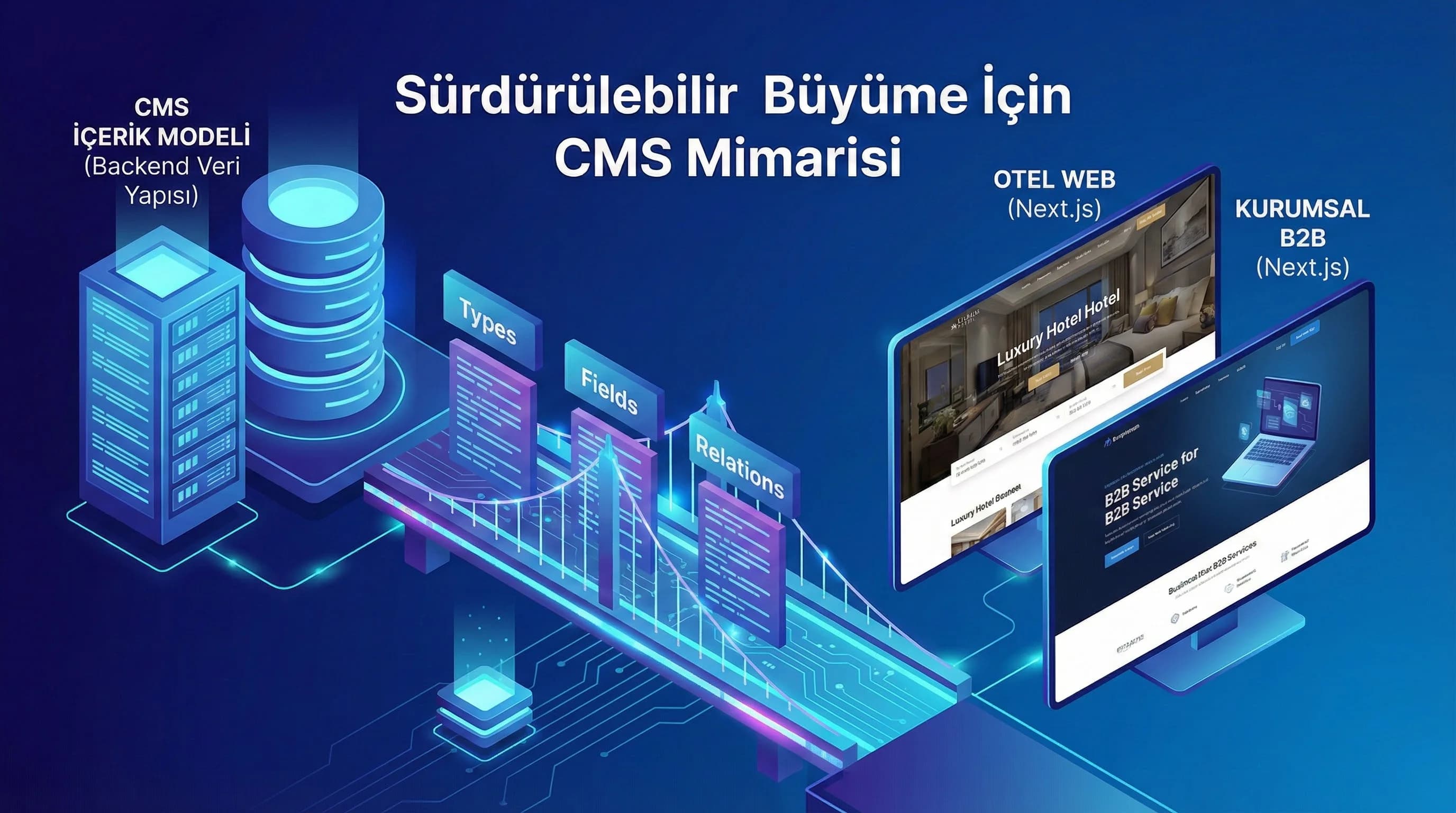
CMS Content Model: Content Type and Field Design for Corporate Websites
A corporate website is not just about “adding pages”; As content production, SEO, multi-language, campaign periods and product/service grow, content architecture suddenly turns into a technical problem. A correctly designed CMS content model makes the content team's job easier and enables consistent and scalable page production on the Next.js side. In this guide, I explain step by step how to establish a sustainable model on hotel and B2B sites by adding the schema-aware modeling approach with the perspective of "current need + 6/12 month roadmap".

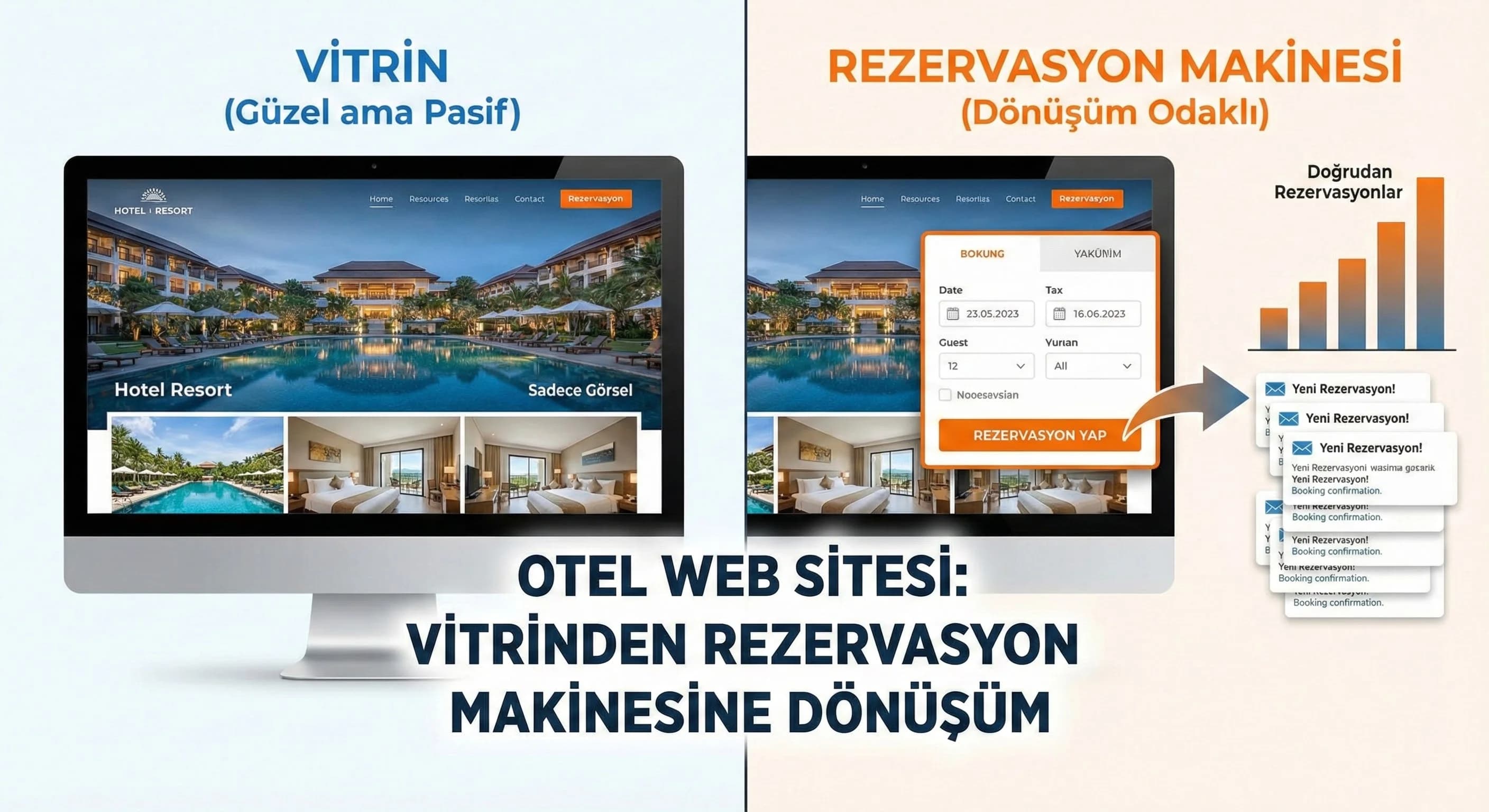
Hotel UX and Reservation Funnel Guide | DGTLFACE
On hotel and tourism websites, the user comes not to “like” but to decide: he looks at the date, compares the rooms, reads the price/condition, looks for confidence and finally moves on to the booking step. In this journey, “small frictions” (uncertain price, slow page, long form, lack of trust) accumulate and the reservation appears as a drop-off. Good UX; It combines the home page, room page and reservation flow in a single “conversion model”. Funnel design is the key to getting more direct reservations with the same traffic, especially in competitive destinations such as Antalya, Belek, Kemer, Side and Bodrum.

Website Performance Guide: Core Web Vitals and Speed Optimization
If your website is slow, the problem is not “one thing”; Usually it combines image load + JS load + server/cache. Especially on hotel sites (destination pages such as Antalya, Belek, Side, Kemer, Bodrum carry intense visuals), the abandonment rate increases when the speed decreases; In B2B, when demo/dashboard pages become heavy, lead quality and conversion decrease. This guide; Core Web Vitals (LCP, CLS, INP) gives you what action you need to take, in which order, without leaving the metrics at the "what is" level. Our goal: To standardize CWV improvement with a 180-day measure-improve-protect cycle, not a "one and done" process.

Multilingual Corporate Website Planning: Architecture and Content for TR–EN–DE–RU
A multilingual site is not about “turning the page”; The market is about building intent and trust. If you do not display the correct content in the correct language on the hotel side (in destination searches such as Antalya, Belek, Side, Kemer, Bodrum), you will miss a reservation. In B2B, "half translation" in a foreign language reduces trust and impairs lead quality. Therefore, if you are targeting four languages like TR–EN–DE–RU, you need to first establish the architecture (subfolder/domain), then the URL/hreflang/canonical standard, and finally the content-localization process. This guide; It provides a workable model for the technical team and the content team to progress at the same table.

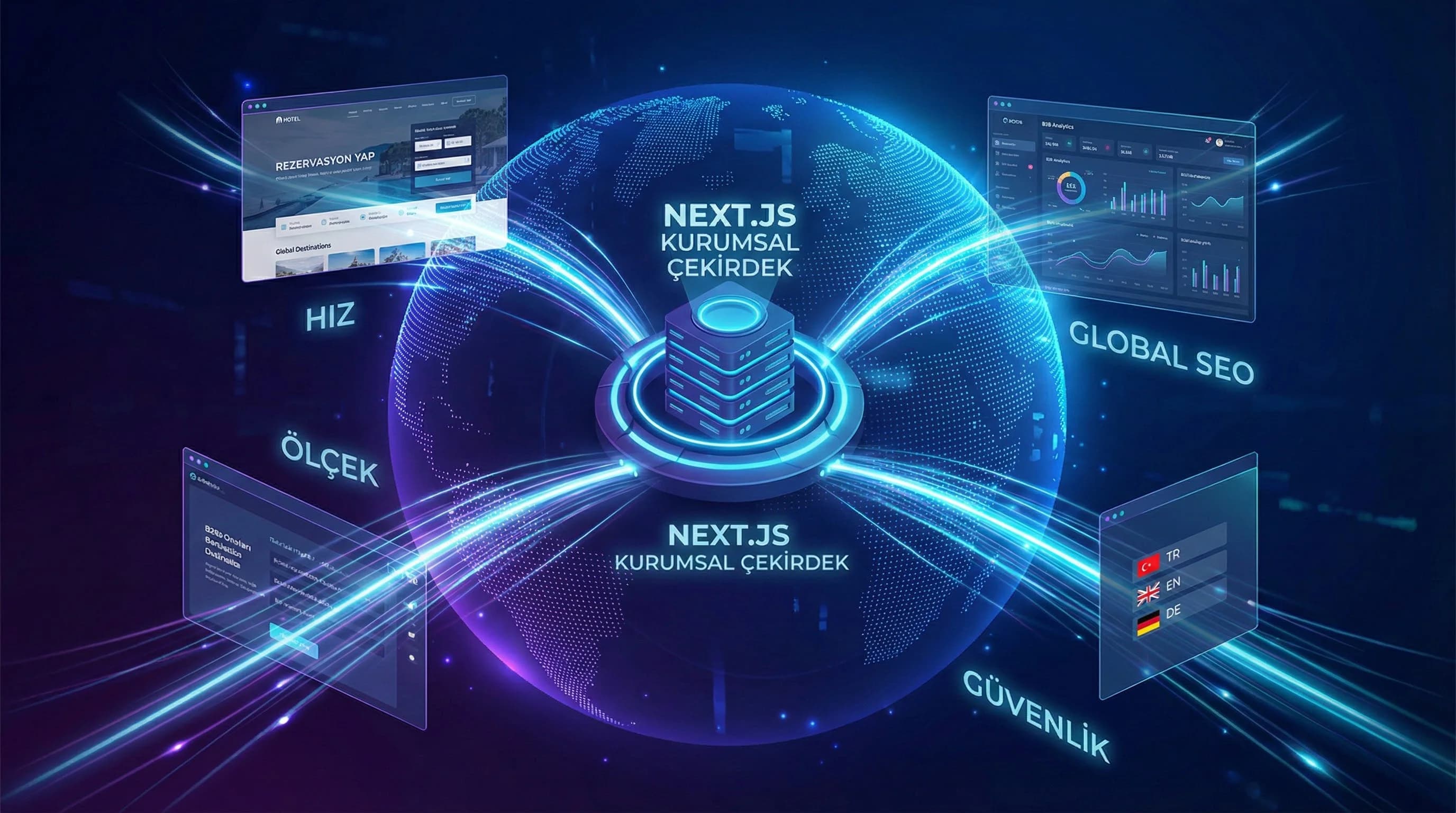
How to Set Up Next.js Corporate Site Architecture? | DGTLFACE
Next.js combines the "speed + SEO + modern development experience" trio in the same pot for corporate websites. However, seeing Next.js as just starting a project and writing a few pages is the biggest mistake: the real value comes from making the right architectural decisions. Remodeling of integrations such as SSR/SSG/ISR selections, URL/route hierarchy, locale strategy and PMS/CRM/CMS; It determines both performance and scalability in hotel and B2B projects. This guide clarifies the decision points and provides an architectural template that can be applied at “enterprise scale”.

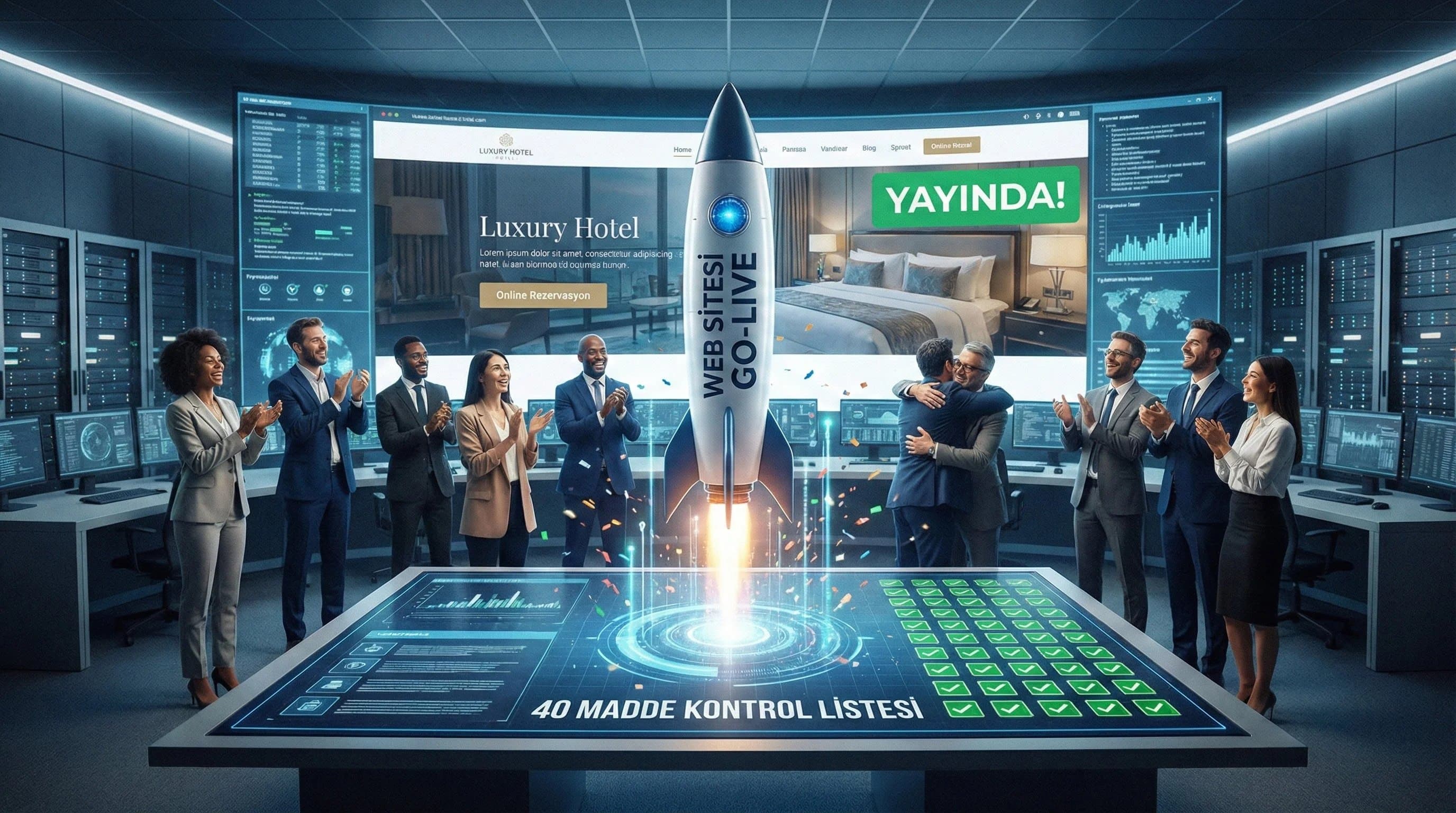
Corporate Website Go-Live Checklist | DGTLFACE
A website is not ready for launch just because it has been “developed”; Go-live is a critical phase that simultaneously tests software quality, content discipline and legal compliance. Form/reservation flow and speed problems on hotel sites (including destination-oriented pages such as Antalya, Belek, Side, Kemer, Bodrum) directly lead to loss of revenue; On B2B sites, if the lead form + CRM flow is disrupted, the marketing budget will be wasted. This guide turns technical + content/SEO + integration + KVKK steps into a checklist under one roof: “Is the ball in your court or in your court?” It ends the debate and reduces post-publication surprises.

Hotel Website Design with Figma: From Wireframe to Prototype
“How do I do it step by step?”, “In which order should I proceed?”, “Wireframe first or UI kit first?” Questions like these come up very frequently in hotel projects; because hotel websites are different from a straight checkout like SaaS or e-commerce. Room types, seasonal pricing, concept (AI/HB/BB), cancellation rules, multilingual flow (TR–EN–DE–RU) and booking engine integration are managed simultaneously. In this guide, we will set up the wireframe → UI kit/design system → prototype testing → Next.js handoff chain in Figma with the hotel's special needs.

Hotel Mobile-First UX: Reservation and CWV Guide
The mobile user does not want to “surf” through the hotel website; Wants to decide quickly: is there availability, does the room fit my needs, is the price/condition clear, can I pay safely? Mobile-first UI/UX establishes design and content architecture mobile-first to answer these questions with minimal friction. Especially in resort destinations such as Antalya/Belek, users often come from mobile sources such as social media-search-map; He wants to quickly enter the “choose a date–choose a room–pay” line. In this article; We will put mobile UX, Reservation Funnel, Core Web Vitals and the conversion relationship into a hotel-specific framework.

How to Design Hotel Reservation UX? The Essential Guide to Guest Travel
The booking flow on hotel websites often works like a revenue production line, not a “design”: the guest finds the right room, feels confident, understands the price, and moves on to the payment step. When unnecessary friction (excessive steps, uncertain price, insecure payment perception, complex form) occurs in any link of this chain, the reservation funnel is broken and the Conversion Rate decreases. This guide; Taking into account resort, city and boutique hotel scenarios, it offers a framework for you to establish the guest journey from discovery to payment with the principle of "few steps + clear information + high trust".

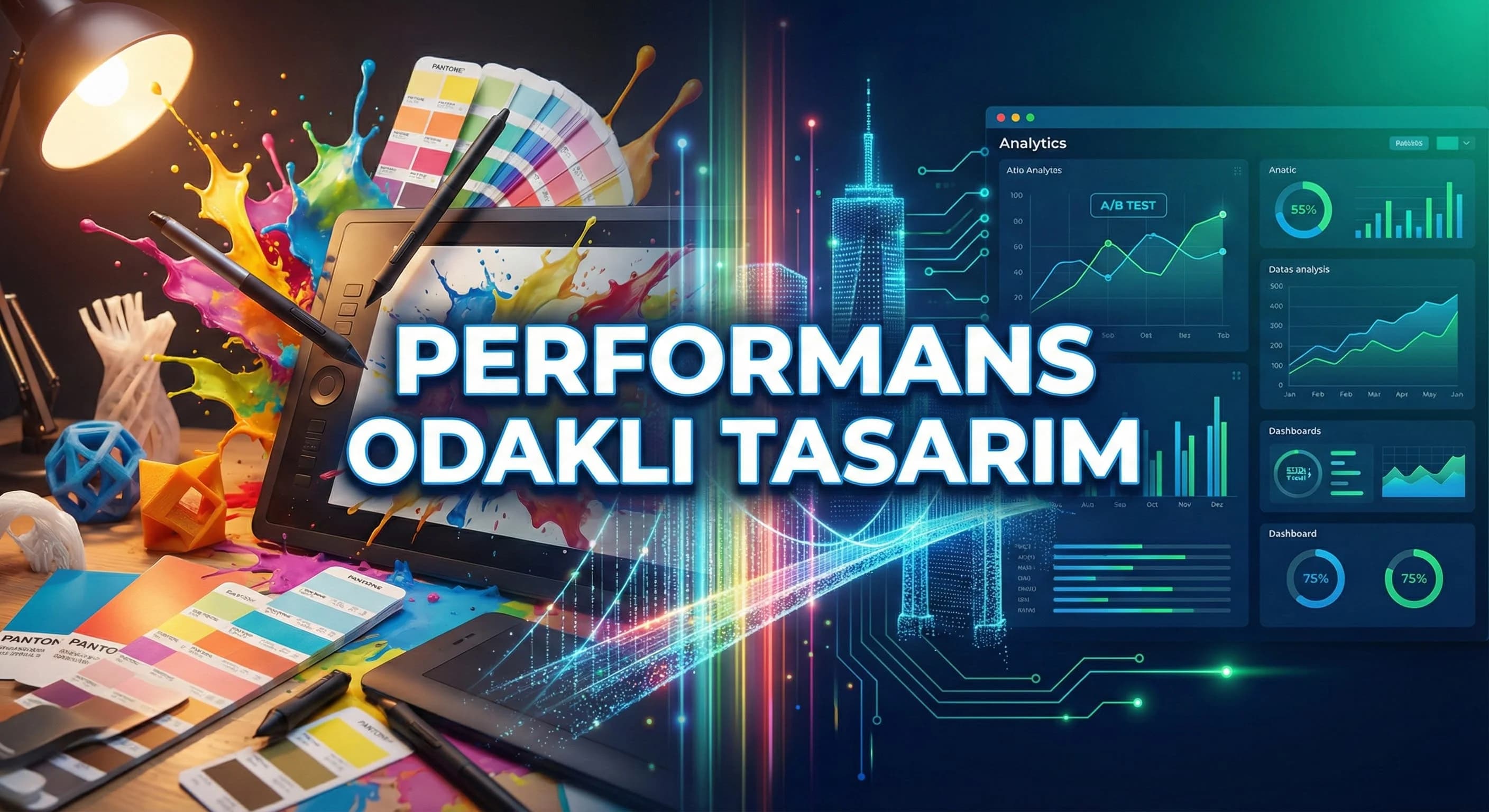
Campaign Visual Sets and A/B Tests: Performance-Oriented Design
The biggest trap in campaign creatives is to stick to a single image and say "this is nice". Performance-oriented design is a set production + controlled variation + measurement cycle: feed, story, reels and banner feed each other; A/B tests show with data which combination of message, image and CTA works. This guide explains the set-up logic for hotel and B2B campaigns, test variables, and how to feed the results back into the design language with a practical framework.

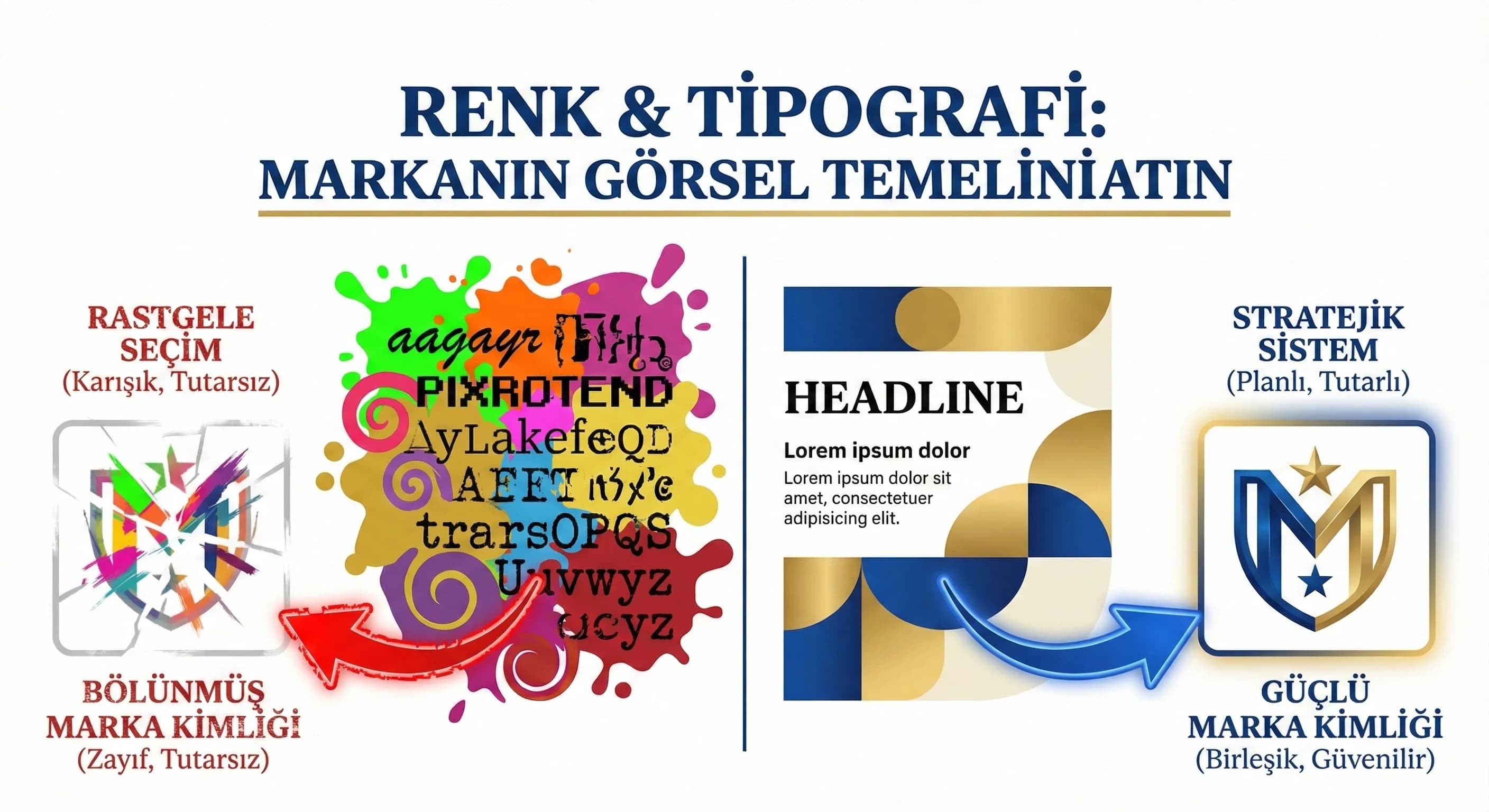
Choosing Color and Typography: A Practical Guide for Brands
The feeling a brand gives at first “eye contact” is often created by color and typography before the text. Here's the problem: many teams make this selection by "like"; Then the web, social media and offline materials become disconnected and the revisions never end. This guide; It allows you to establish a simple but powerful system with 1 main + 2 support colors and 1–2 fonts based on sector, target audience and positioning; makes it applicable with hotel and B2B examples.

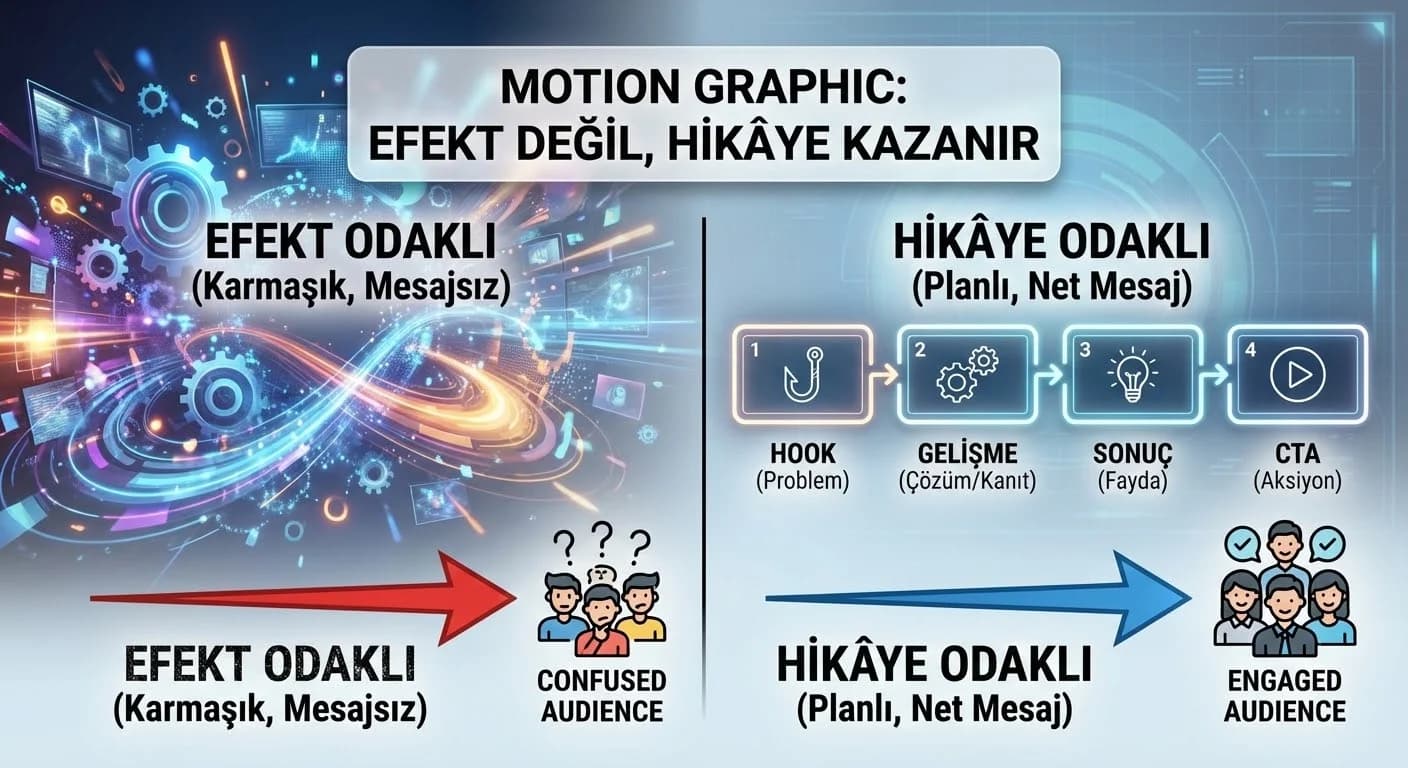
Motion Graphic Storytelling Guide | DGTLFACE
The problem in motion graphic production is often not "not being able to animate", but not being able to clarify what to express. A good motion video in 10–20 seconds; It works with a single message, strong hook, simple stage plan and clear CTA at the end. This guide is not about After Effects buttons; It establishes an applicable system through story structure + storyboard + scene flow, with hotel and B2B examples.

Instagram Post Design Guide for Hotels | DGTLFACE
“Beautiful photography” alone is not enough on hotel Instagram; The goal is to generate occupancy, trust and booking intent. For this, instead of sharing room/facility/experience contents randomly; It is necessary to establish a system with post types + template sets + grid plan. This guide; It handles room–pool–restaurant–experience visuals with composition rules, standardizes the use of price/CTA without disrupting the premium perception, and gives a set plan of 9/12 posts.

Brand Social Media Visual Language Guide (Hotel & B2B)
“Looking professional” on social media is often a matter of consistent visual language, not expensive production. Even if your feed looks good today, if it doesn't have the ruleset it will fall apart in a new campaign tomorrow. This guide; It offers a workable style guide model for hotel and B2B brands through logo, color, typography, photo language and grid.

How to Manage OTA Cancellation/Change Requests?
“I bought it from Booking but I want to change the date, what do I do?” and “Can I cancel without paying a penalty?” phrases are the two most typical beginnings of OTA calls. Although these calls technically seem like a “transaction”, they are actually a test of trust and fairness for the guest: is the hotel responsible or the OTA; What's the rule? Are there any exceptions? Good booking support line here; It verifies the OTA Reservation record in the PMS, explains the Cancellation Policy / Modification Request limits calmly but decisively, and offers the solution in a single flow without causing the guest to ping-pong between the hotel and the OTA.

How to Increase Conversion Rate in Booking Calls? Scripts and Techniques
“The guest always says 'let me think' and hangs up” is the most frequently heard complaint on most hotel reservation lines. This is usually related to the need not being clear, the offer remaining vague, or not providing a safe guidance at closing, before the "price is expensive" problem. Reservation conversion by phone; It develops like a "muscle" with the right question set, option setup, objection response and coaching cycle. Especially in peak season areas such as Antalya, Belek, Side and Kemer, even small improvements can significantly reduce missed calls (directional insight).

What is a Hotel Reservation Call Center, How Does Flow Work?
The hotel website, OTA, social media and advertisements direct the guest to search; When the call comes, the "hotel reservation call center" is actually the closing gate of the reservation funnel. The goal here is not just to pick up the phone; To understand the need correctly with a reassuring welcome, to explain the suitable room/offer correctly, to make error-free registration on PMS and to convey the approval clearly. Considering that the reception deals with check-in/out and guest relations at the same time, especially in resort areas such as Antalya, Belek, Side, Kemer and Bodrum, during peak season periods, a streamlined reservation flow makes phone traffic manageable.

4-Language Call Center KPI, Quality and Reporting Guide
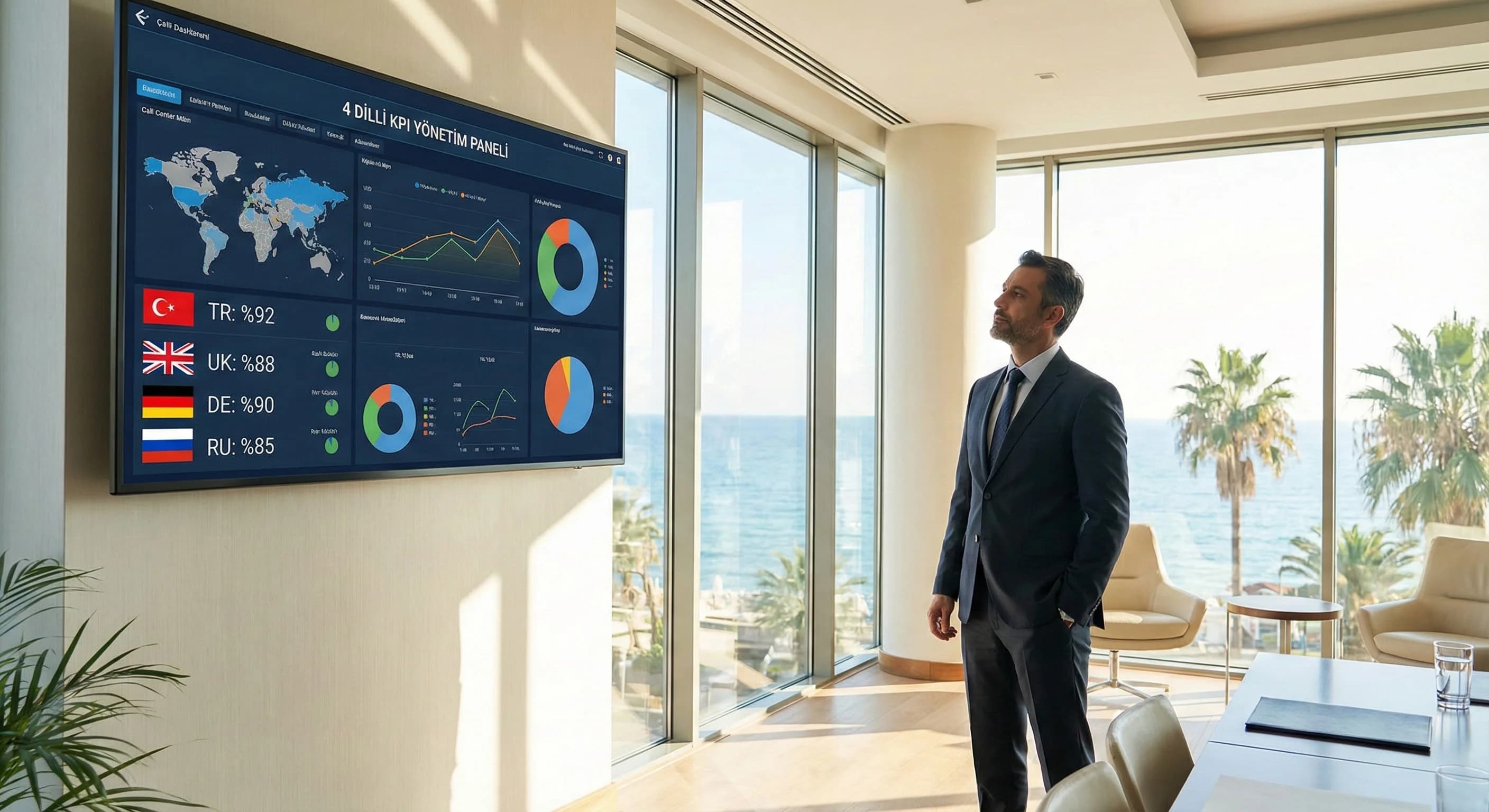
“I have a 4-lingual call center, but I don't know what and how to measure it.” This sentence is the management problem we see most frequently in hotels with 4 languages (TR–EN–DE–RU) and multi-channel (phone/WhatsApp/OTA/DM) traffic: the team works, but the effect of the investment is not visible. However, the right KPI set; It combines speed, solution, income and quality in the same table and produces the "health report" of the operation. This guide provides a practical framework that turns the <a href="/en/call-center/multilingual-call-center">multilingual call center</a> operating model into a measurable management dashboard by connecting KPIs to hotel booking and sales impact.

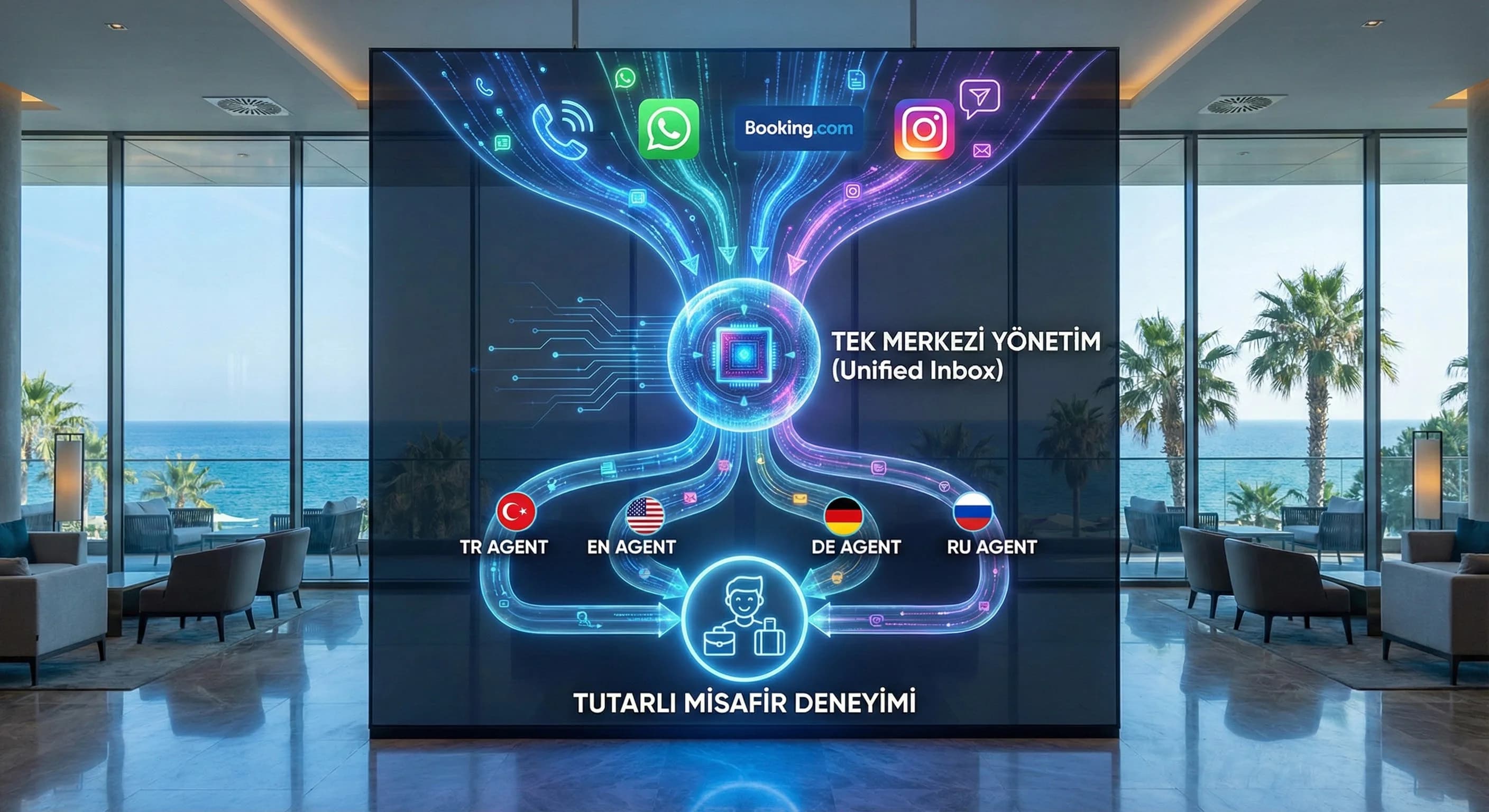
Multi-Channel Integration with 4-Language Call Center: Phone, WhatsApp, OTA and DM
“The guest writes to us from both phone, WhatsApp and OTA message; how can I manage them all from one place?” This question is now a daily reality in peak season destinations such as Antalya, Belek, Side and Kemer. In a <a href="/en/call-center/multilingual-call-center">multilingual call center</a> setup, the purpose of the multi-channel approach is not to “open more channels”; Our aim is to gather the channels under a single queue and a single process and produce a consistent guest experience with the TR–EN–DE–RU agent team. This guide provides a practical integration framework at a conceptual level (without going into details that require IT/legal approval).

4-Language Call Center Agent Selection, Training and Coaching Model
“Where can I find an agent who can speak German and Russian but also knows tourism?” “How do I keep my team motivated in the long run?” The common point of these questions is this: In a <a href="/en/call-center/multilingual-call-center">multilingual call center</a> setup, quality is not only about process and technology; It becomes sustainable with the right person + right training + right coaching cycle. When seasonal pressure increases, especially in destinations such as Antalya, Belek, Side and Kemer, teams that are not well established run out quickly; This directly impacts guest experience and sales conversion. This guide provides an actionable framework from selecting the TR–EN–DE–RU agent team to onboarding and QA/coaching model.

TR–EN–DE–RU Call Script: Hotel Conversation Flows | DGTLFACE
“What should I say to a guest on the phone?” “How should I greet it in German and Russian?” These questions may be the most invisible reason for reservation loss, especially in multilingual destinations such as Antalya–Belek–Side–Bodrum. In a <a href="/en/call-center/multilingual-call-center">multilingual call center</a> setup, the script is not for robotizing the agent; It exists to reproduce the same quality, the same sales language and the same KPI standard in four languages. The guide below; It offers practical flows and templates for phone calls, WhatsApp/DM texts and OTA messages.

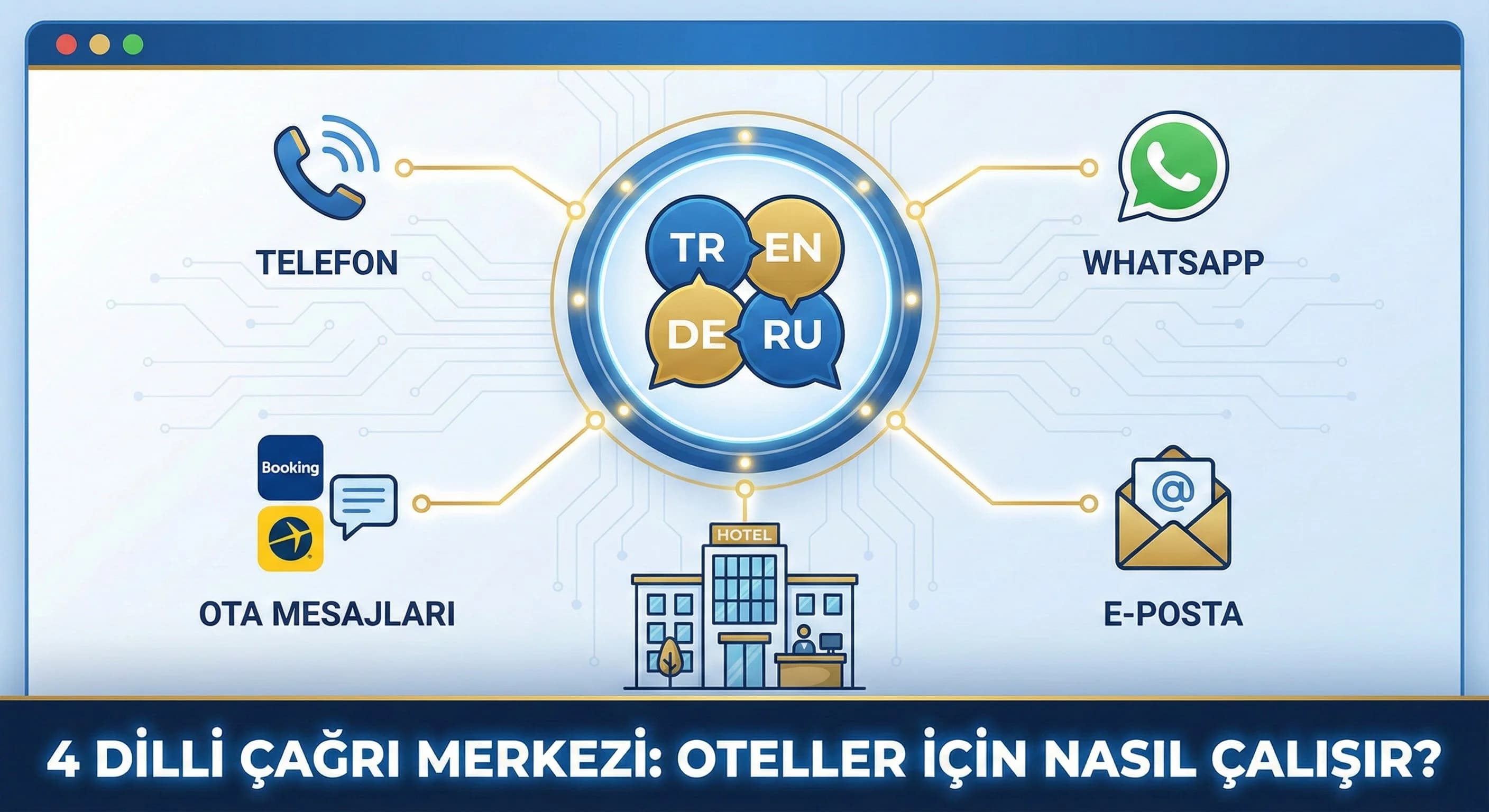
4-Language Call Center: How Does It Work for Hotels?
“Demand” in hotels no longer comes from a single channel: phone, WhatsApp, OTA messages and email flow simultaneously. Moreover, the guest profile is not a single language; TR–EN–DE–RU mix is part of the daily operation, especially in destinations such as Antalya, Belek, Side, Kemer and Bodrum. The <a href="/en/call-center/multilingual-call-center">multilingual call center</a> approach combines this traffic in a single process and makes both booking conversion and guest experience measurable.

OTA Rate Parity Guide: Rate Parity
Rate parity is read as a “contract clause” in many hotels; However, it is a control system that stands right in the middle of daily operations and revenue management. When prices are set incorrectly in PMS, channel managers and OTAs, the guest finds the "cheapest" option and goes there; This means not only lost revenue, but also unnecessary tension in channel relationships and erosion of brand perception. In highly competitive destinations such as Antalya and Bodrum, parity errors become visible more quickly; because different market and device prices come into play more aggressively for the same date/room.

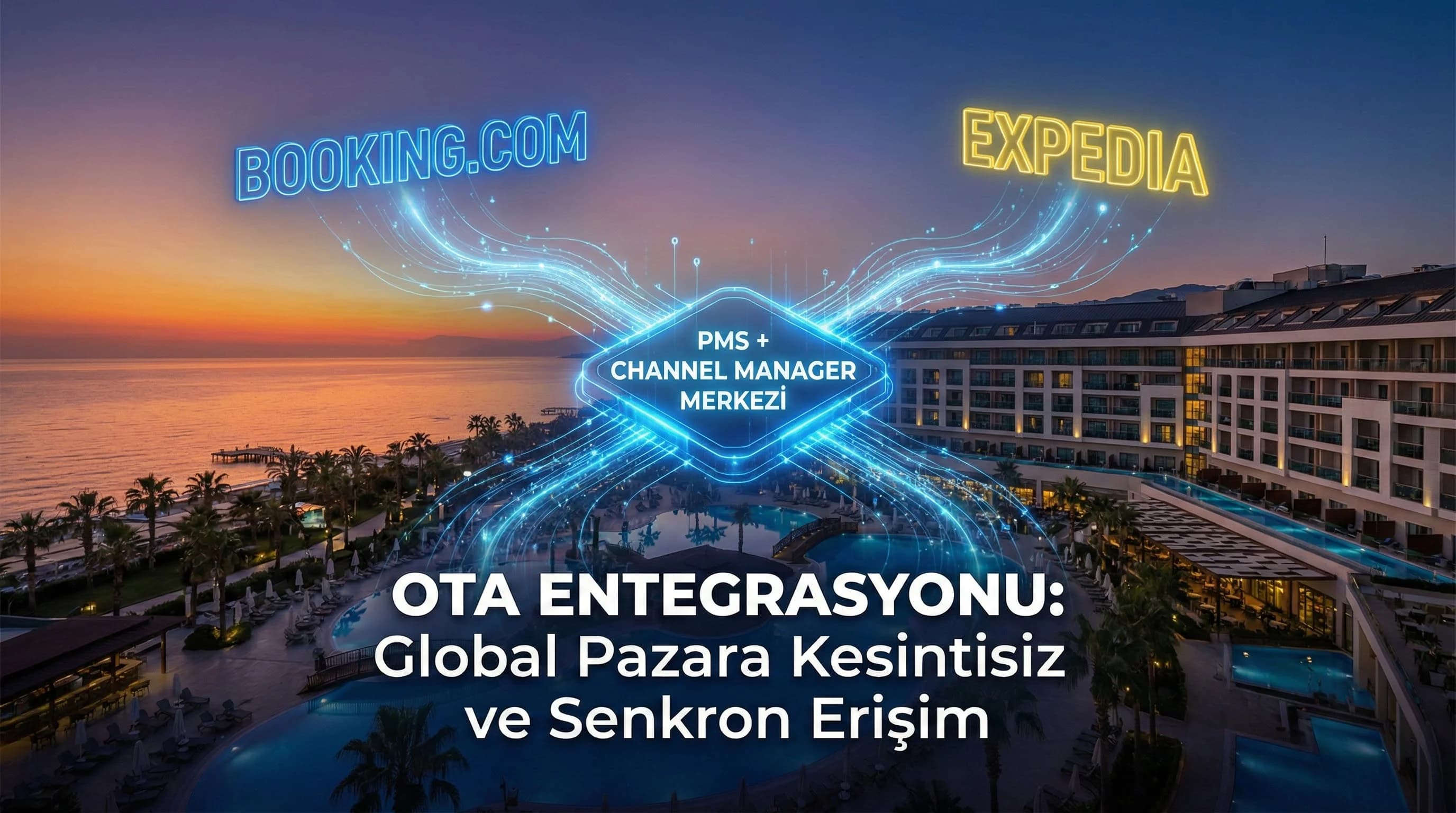
Booking & Expedia Integration Setup Guide
Booking and Expedia integration is not a job that can be ignored by saying "the connection is open"; The quality of the integration is measured by room & rate mapping accuracy and test reservation discipline. Especially in resort markets such as Antalya, Belek, Side and Kemer, where seasonal fluctuations are severe, a small mapping error can suddenly turn into a risk of wrong price, wrong availability and overbooking. This guide is written in a technical but understandable language; It offers an end-to-end road map, from extranet preparation to PMS–channel manager settings, from test scenarios to go live and first 30 days of monitoring.

12 Common Errors in PMS Setup and Their Solutions
The sentence "everything was planned but got mixed up in live" in the PMS installation is not a coincidence; Usually the same error sets repeat. Underestimating Data Migration, leaving training to the last day, missing channel/OTA integration tests and trying an unprepared go-live in the middle of the season; It can quickly turn into chaos on the reception and revenue side. This guide presents 12 mistakes with anti-pattern logic: in a “don't do this” and “do this instead” format, offering practical solutions and checklists.

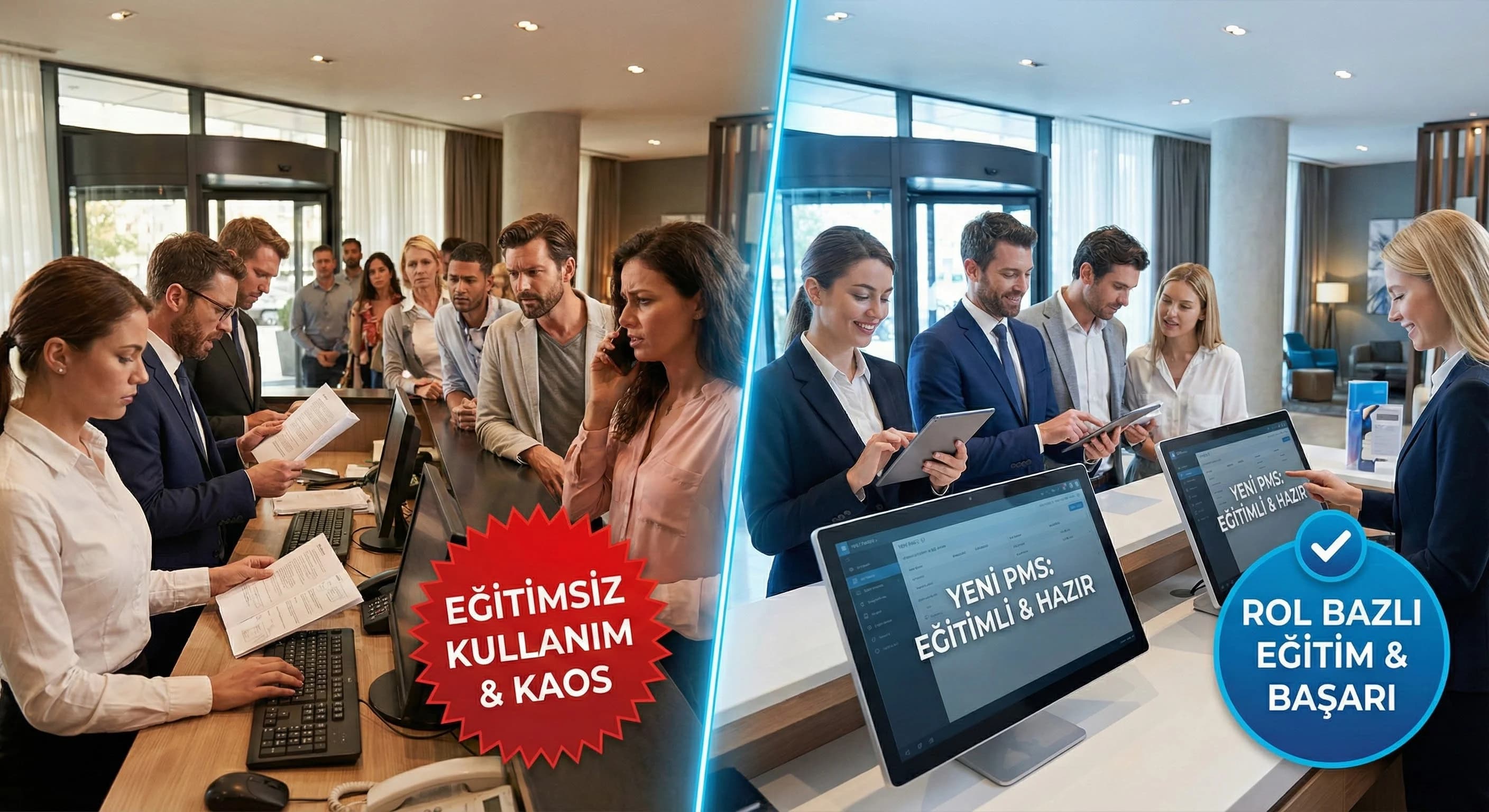
PMS Training Plan: How to Prepare Reception and Operations Teams for the New System?
Saying that we "installed" the new PMS does not mean that the team "started using it correctly". Errors such as wrong date, wrong price, wrong room/contract on the reception and operation side; It may cause revenue and reputation risks in a short time. Therefore, the training plan is not a “usage demonstration”; It is a project part that includes role-based onboarding, scenario practices, measurement-evaluation and first 60-day support rhythm. This guide provides a Training Playbook for the HR + operations + project team to implement together.

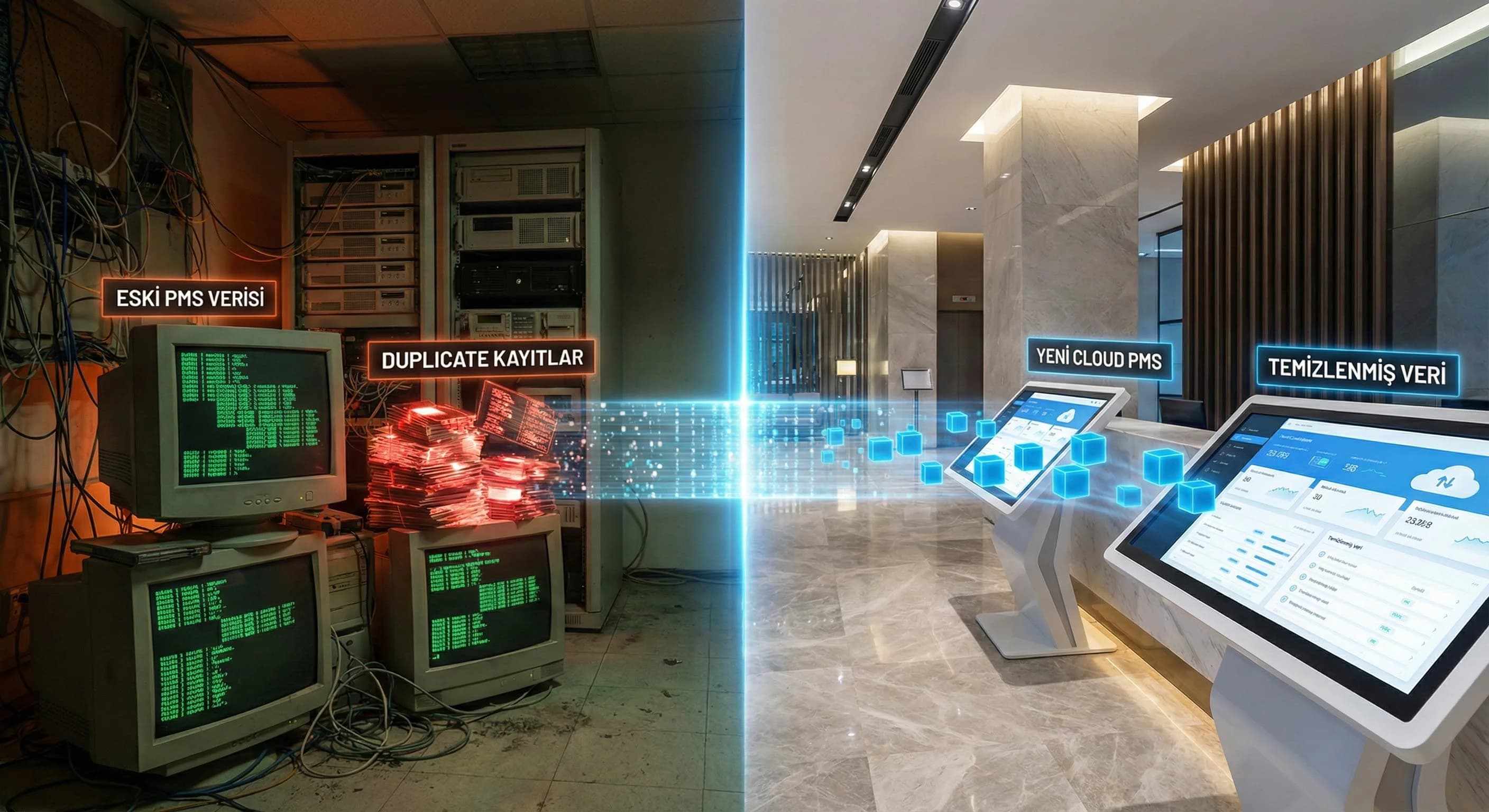
How to Manage Data Migration and Cleansing Process in PMS Migration?
PMS migration is often evaluated through screens and modules; But the invisible side of success is data. Moving "garbage", "duplicate" or missing records exactly as they are in the old system is not a faster operation in the new PMS; produces a mess faster. This guide divides the data migration process into data selection → cleaning → data mapping → test import → verification → post-go-live quality control steps, ensuring that both IT and operations proceed with the same plan.

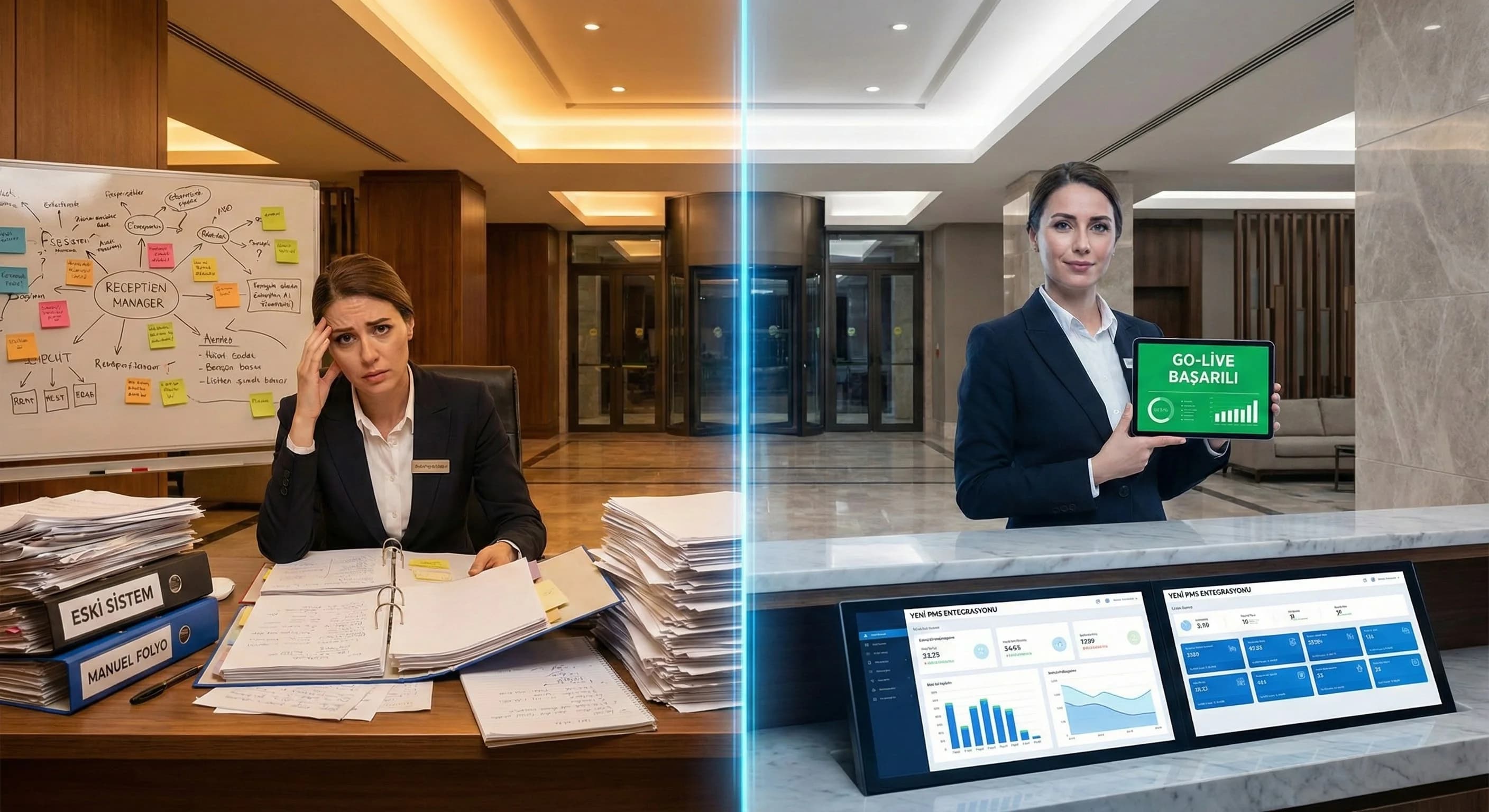
Hotel PMS Installation Project: Go-Live and the First 90 Days
PMS migration starts with “software installation work” in most hotels; but in real life it is an operation + revenue + distribution transformation. The most common result of migrations without the correct Project Plan is that the reception becomes clogged, inconsistencies occur in the channel/booking flow, and reports lose confidence. This guide makes the PMS Implementation process manageable from start to finish by dividing it into phases, roles and checklists.

OTA Integration: Booking & Expedia Logic
Saying "we work with OTA" in hotel sales actually means relying on a single technical backbone: price (rate), inventory (inventory) and restrictions (min stay, stop sell, etc.) will come out of the right system, be distributed to the right channels, and feedback (reservation, cancellation) will fall to the right place again. The critical issue here is not “connecting to the channel”; It is the management of the PMS + channel manager + OTA trio in a single source real logic. Especially in destinations with peak season fluctuations such as Antalya, Belek, Side, Kemer and Bodrum, even a small synchronization error can turn into overbooking, wrong price, guest dissatisfaction and loss of income.

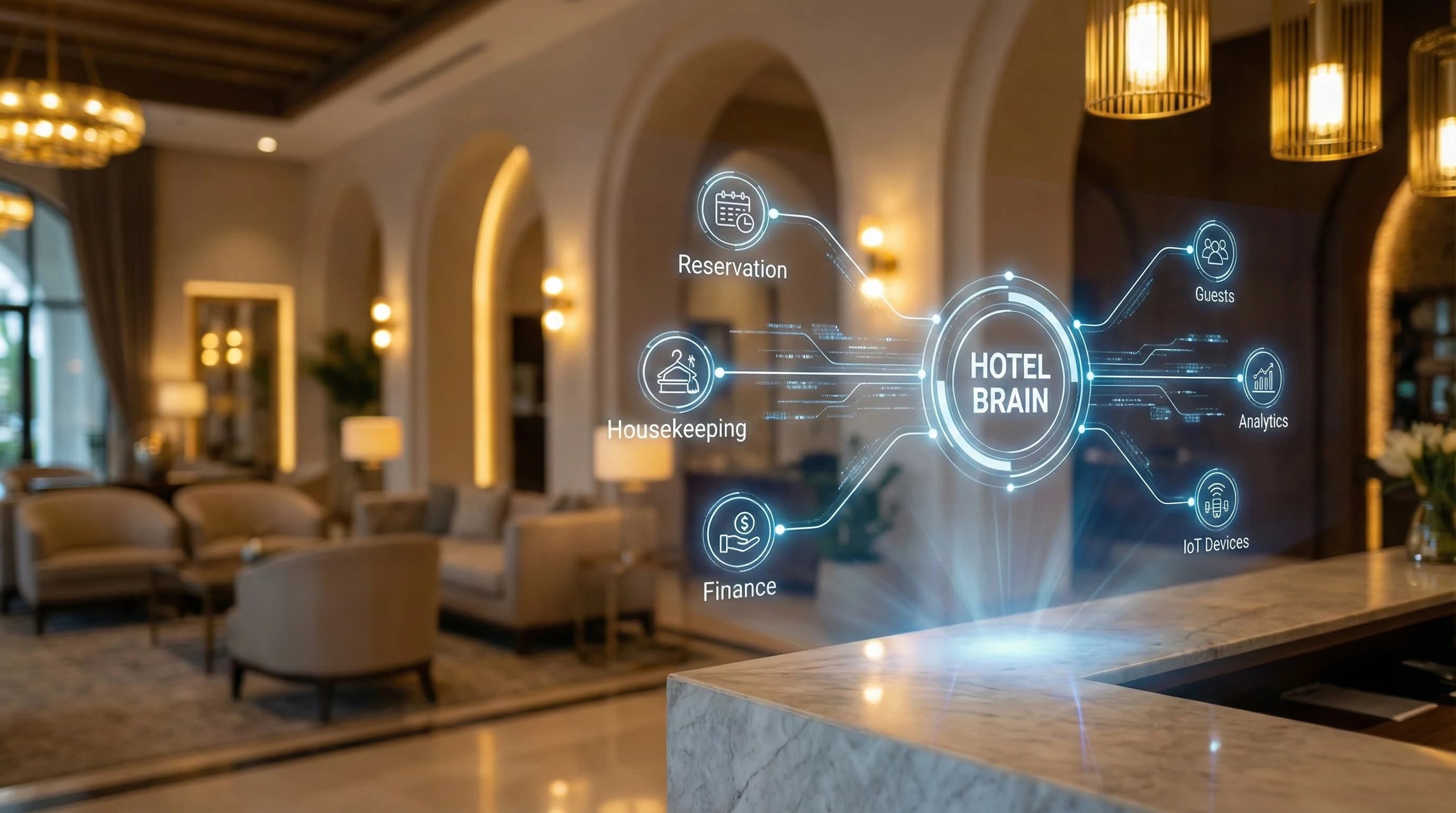
Hotel PMS Selection: Needs and Integration Step by Step | DGTLFACE
PMS (Property Management System) appears to be the operational heart of the hotel; but in reality, distribution (OTA/Channel Manager), revenue (Revenue Management), communication (Call Center), accounting/reporting and guest experience are built on this backbone. Therefore, it is necessary to decide from the perspective of "long-term integration and scale" rather than "short-term screen/habit".

Positioning Compared to Competitors with OTA Price Benchmark
The reflex of looking at OTA screens and saying "the competitor is cheaper than me, I'm downloading it immediately"; Even if it recovers occupancy in the short term, it reduces the ADR in the medium term, increases parity risk and damages the perception of value. The purpose of this guide; Transforming the price information you see on OTAs such as Booking/Expedia from the "screen reading" level into a strategic positioning decision: which set of competitors you will compare with, on which date/room type; how to connect price position to occupancy and revenue; To clarify how to move forward with smart band management instead of a price war.

Hotel Benchmark Analysis: KPI & Competitor Set Antalya
Reading hotel performance simply as “we increased by X% compared to last year” often gives an incomplete picture. Because the market may have grown in the same period, competitors may have cut prices aggressively, or demand may have shifted regionally (e.g. in the Antalya-Belek line). Benchmark analysis is exactly why; positions your hotel within the market and asks “are we doing well?” answers the question with the framework of comparison. In this guide, we will explain step by step what a benchmark is, which KPIs to work with, how to choose a set of competitors, and how to set up a simple routine.

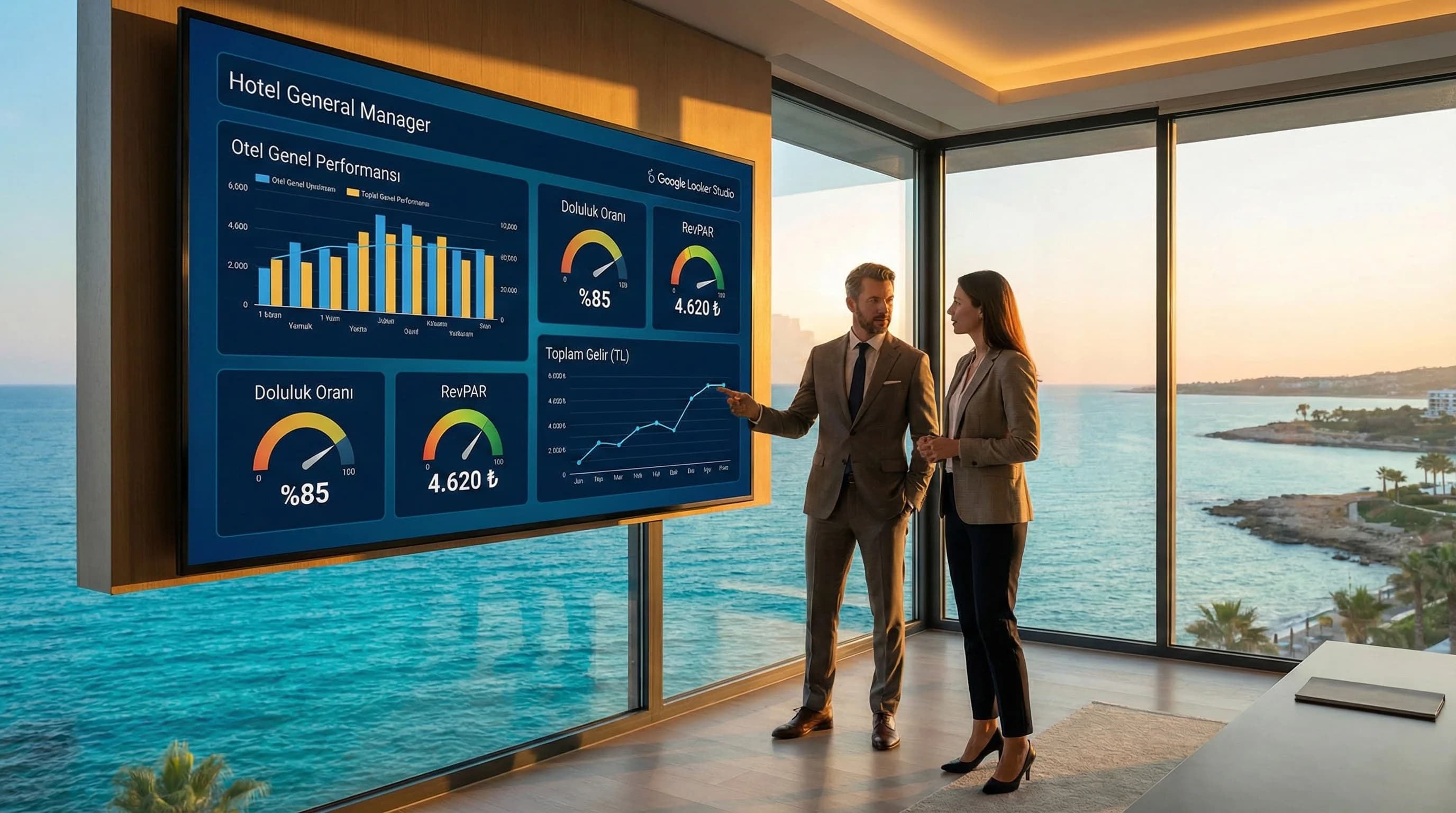
Executive Dashboard and Automated Looker Studio Reporting for Managers
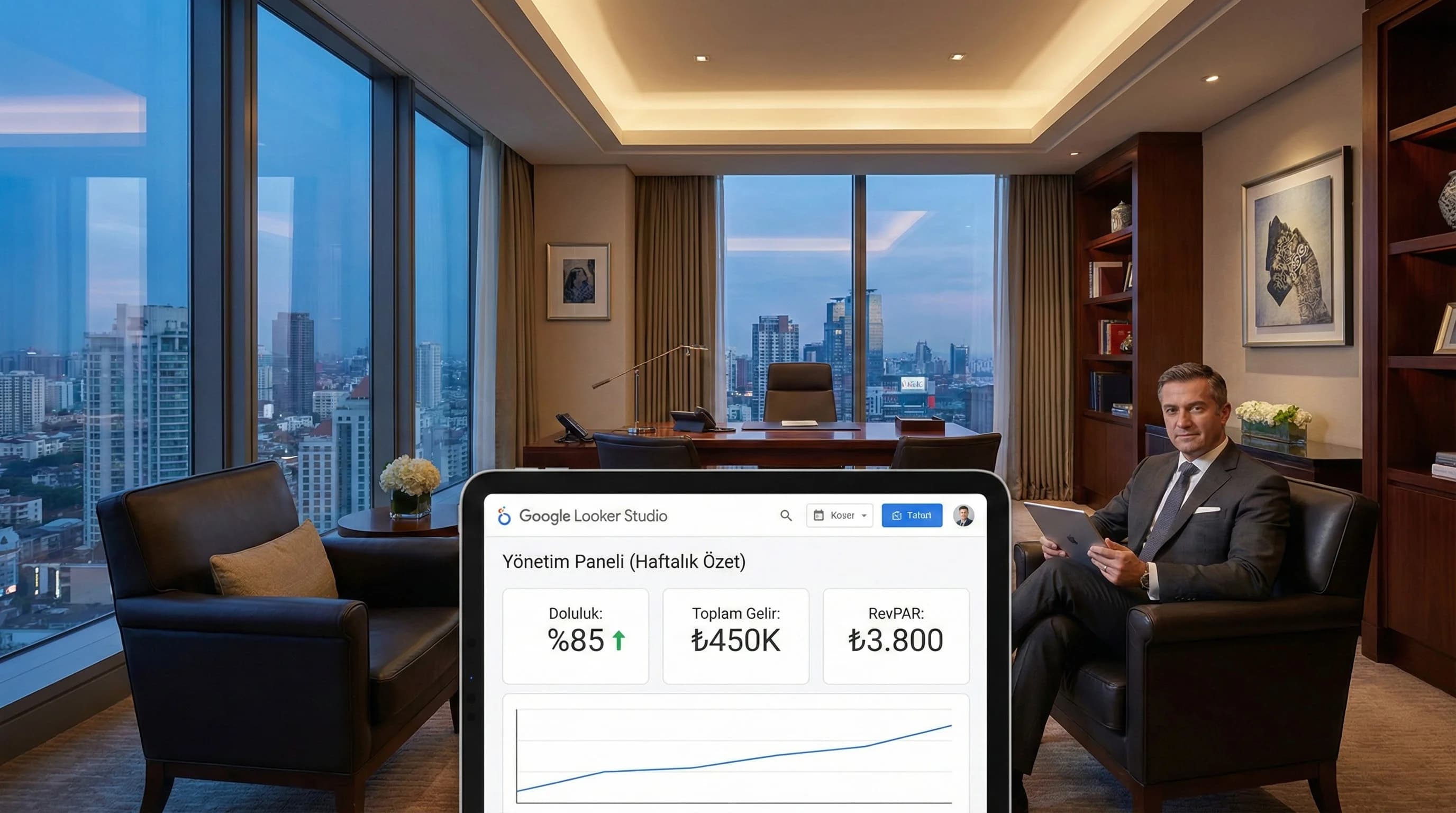
This article moves management reporting from “single slide” logic to “single panel” logic. First, we will select the 10–15 KPI sets that the management really looks at, and then we will establish layout principles that will allow these KPIs to be read on a single screen. Then, we will plan the automatic e-mail/PDF report cycle (weekly/monthly) in Looker Studio and connect the meeting flow to the "panel → action list → follow-up" order.

Looker Studio Architecture in Multi-Hotel Buildings: Dashboard Design for Group Hotels
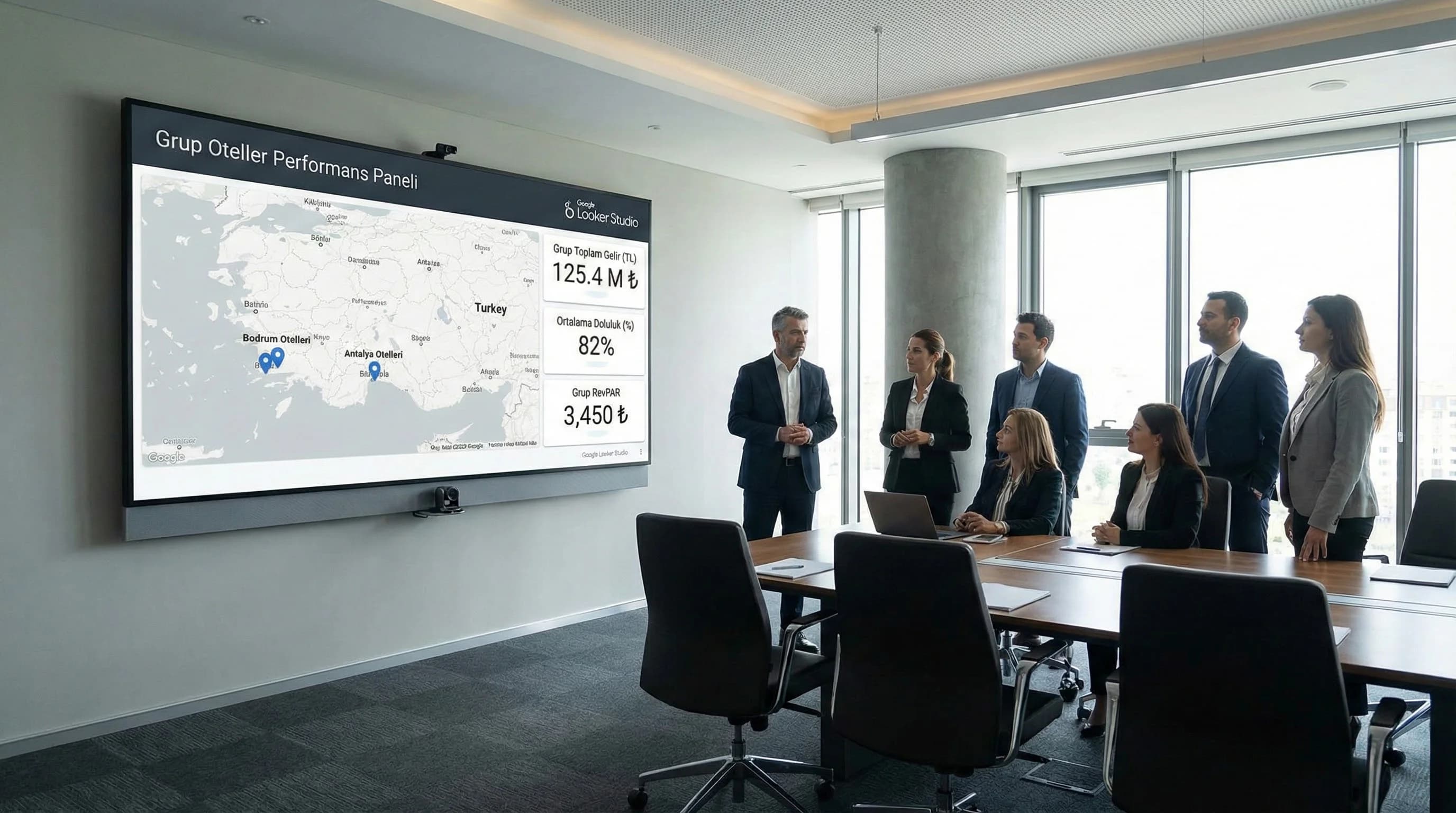
In this article, we will set up multi-property reporting with the analogy of “head office panel + hotel pages”. First, we will clarify the property-based data structure and naming convention, and then we will design the group and hotel level dashboard layers. Then, we will create a scalable architecture by adding role-based access, filter/view approach and destination breakdowns such as Antalya–Bodrum. In the last section, we will show the sample panel flow with the “X hotel group scenario”.

Connecting PMS and OTA Data to Looker Studio: Seeing Hotel Sales with Data
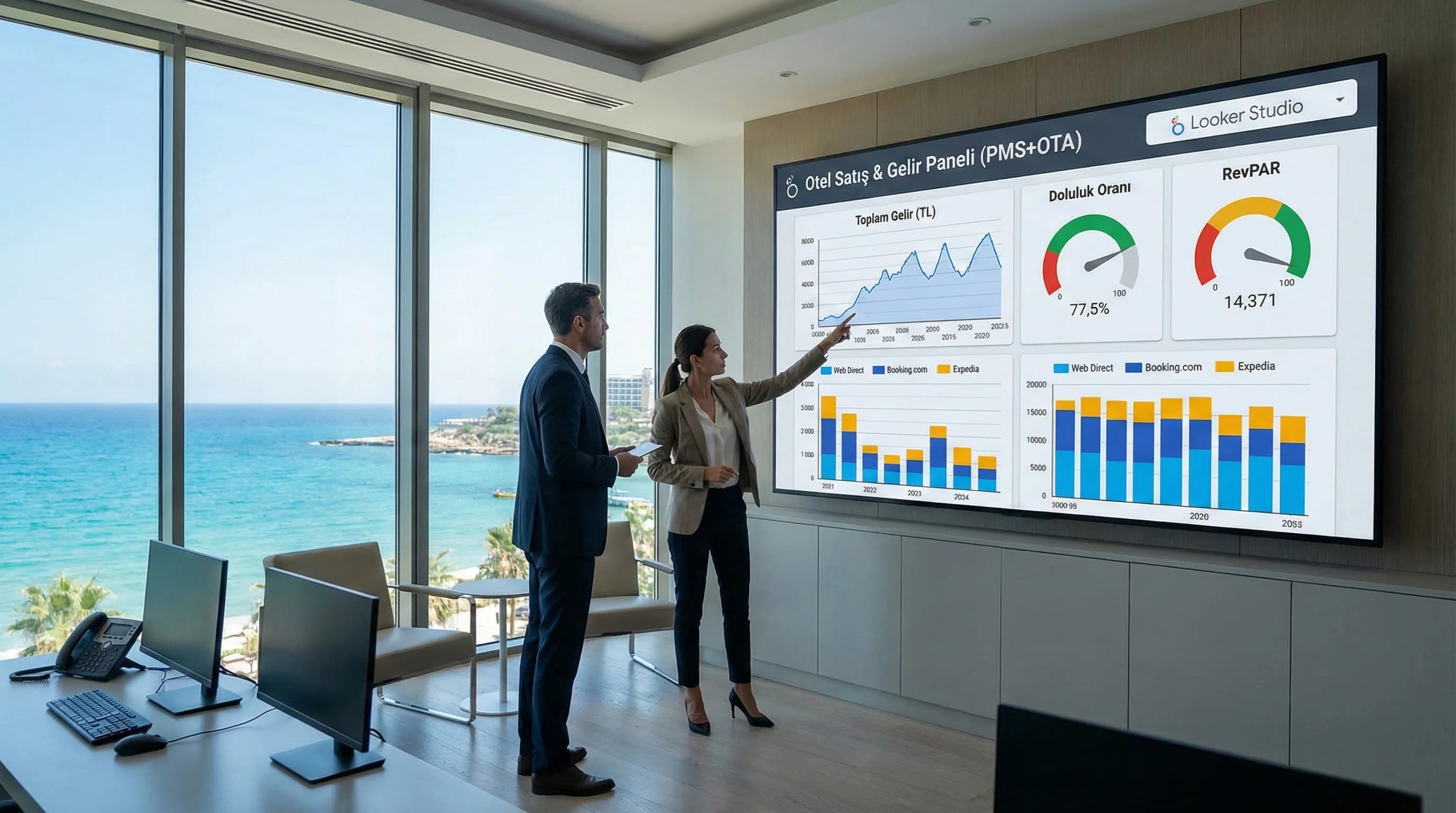
Move PMS and OTA data to Looker Studio. Combine occupancy, revenue, RevPAR, cancellation/no-show and channel contribution with GA4+Ads and compare OTA–web–call center sales in a single panel.
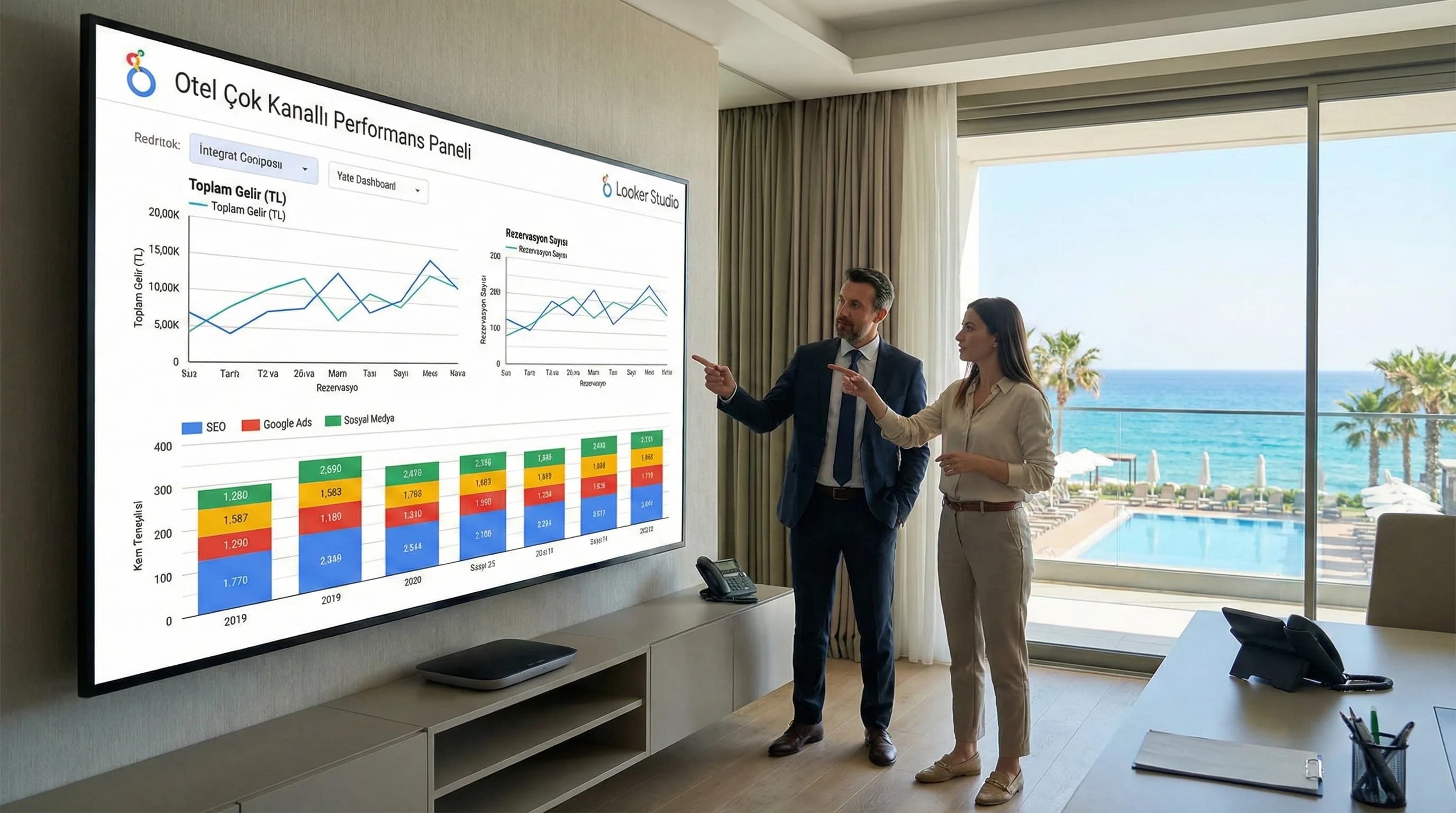
SEO+SEM+SMM Single Panel: Hotel Dashboard | DGTLFACE
Summary Box: This guide was prepared to end the "SEO separate, advertising separate, social separate" reporting habit in hotels. By establishing a single panel in Looker Studio, you will (1) connect data sources, (2) define a common set of KPIs for SEO–SEM–SMM, (3) optimize the budget/strategy by comparing channel-based funnel and contribution.

Looker Studio: Türkiye Hotels KPI Dashboard | DGTLFACE
This guide explains how Looker Studio creates value on the hotel side; which data sources you need to combine; It clarifies which KPI set you will set up a “management panel” with and how you will publish the first dashboard step by step. Aim; The aim is not to speed up report production, but to see the traffic→reservation→income flow on a single screen and standardize decision-making.

Selling Rooms with Reels: How to Set Up Reels Funnel for Hotels?
Reels is not just “access” for hotels; It is a short video engine that produces booking intentions when designed correctly. However, most accounts operate Reels at the content idea level: the video is good, the views come… but the clicks and requests do not come. In this guide, Instagram Reels is used for Hotel Room Sales / Direct Booking; We will establish a clear “room sales with reels” funnel system in the form of hook → story → CTA → referral → measurement.

How to Position a Hotel Instagram Account? Basic Strategy Guide
Beyond being a “visual showcase” for hotels, Instagram is the first point of contact of the demand engine when designed correctly. Positioning; “what am I sharing?” Before the question "Who am I reaching, at what stage of intention, with what action?" answers the question. In this guide, we will build a hotel/resort Instagram account into a measurable content and funnel structure on the axis of brand perception + direct booking intention.

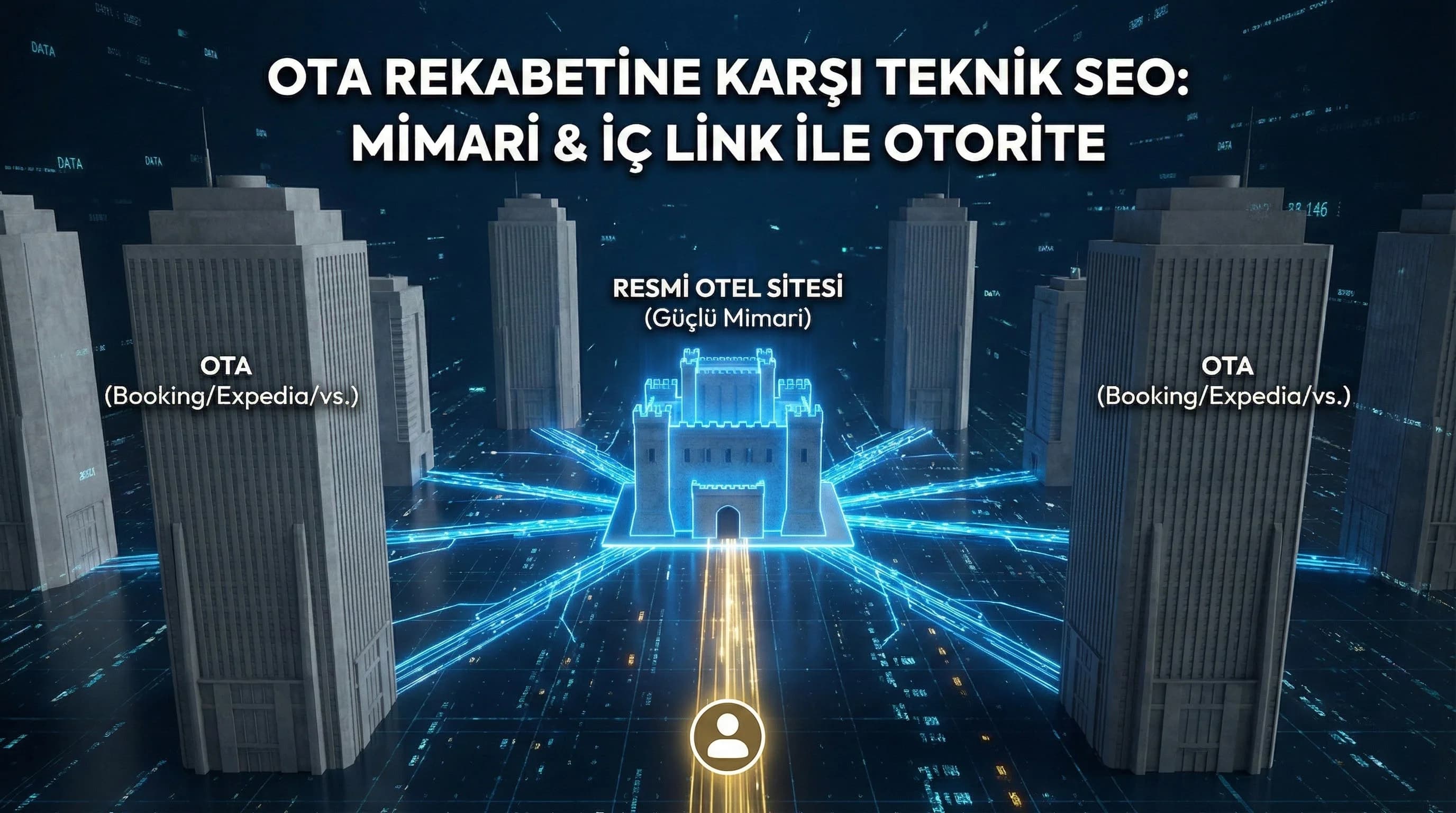
OTA vs. Technical Hotel SEO: Architecture & Internal Linking | DGTLFACE
OTAs are strong in the SERP because they operate with a large number of content pages, strong internal link networks, and high authority. Hotel sites, on the other hand, cannot convey a clear structure to Google because they often remain in the form of "a few pages + scattered blogs"; The user also has difficulty finding the way to the reservation. The purpose of this guide is not to turn the site into a “content dump that mimics OTA”; It is to establish a clean architectural and internal linking framework that strengthens your hotel as a single Hotel Entity. The result is clarity in both crawl/index quality and direct booking flow.

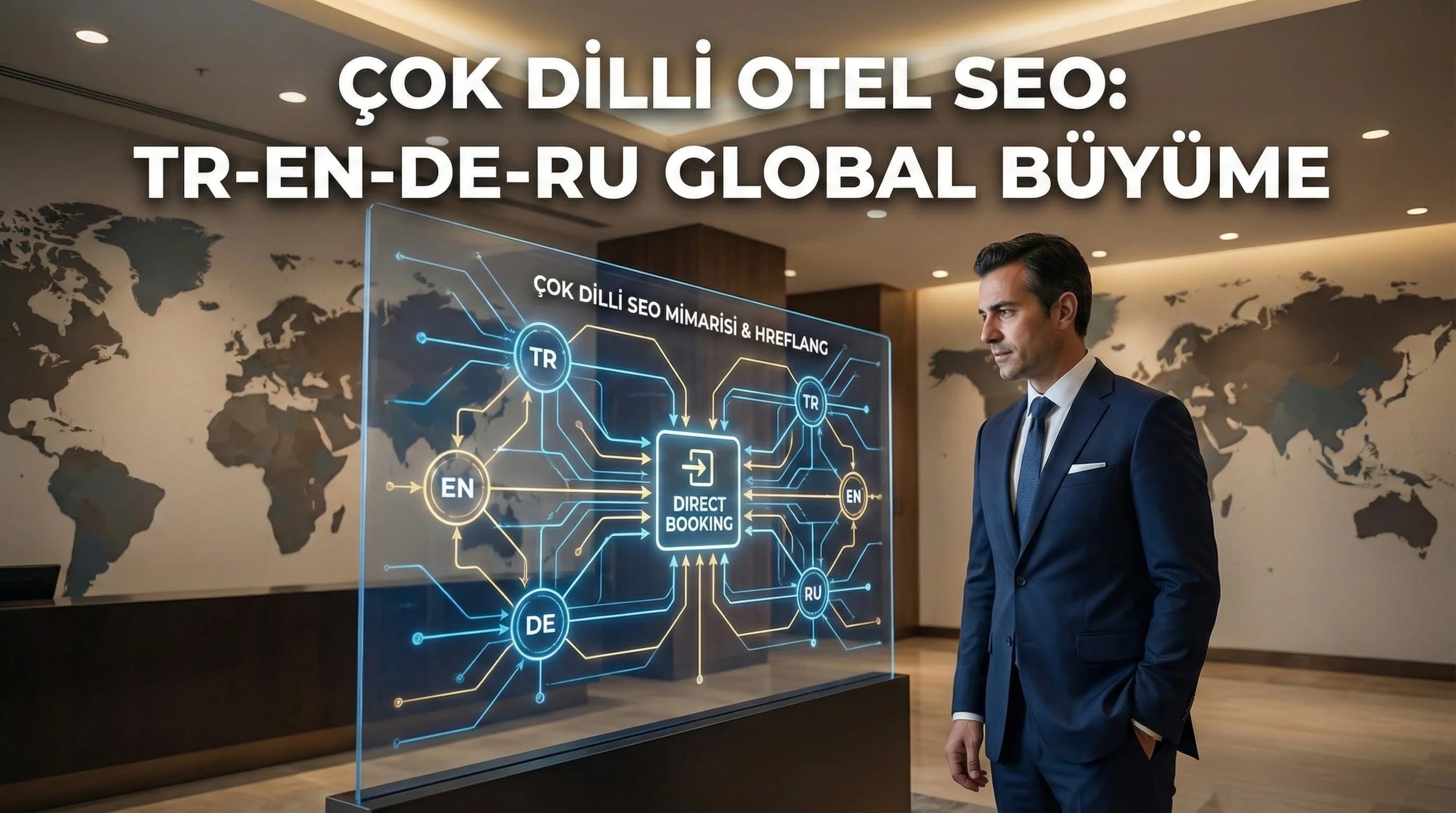
Multilingual Hotel SEO: TR–EN–DE–RU Hreflang in Structure, Site Architecture and Content Strategy
The most common misconception on multilingual hotel sites is: "We translated the text, it's done." However, while the user calling from Germany comes with an intention such as "Hotel Antalya Türkei", the TR domestic market searches for "Antalya hotel"; The RU market, on the other hand, has a different language and set of expectations. If the URL architecture, canonical and hreflang set are not correct, Google may show the wrong language; The user loses trust on the first screen and turns to OTA. This guide links both the technical and content sides into a market-oriented blueprint with a TR–EN–DE–RU structure.

Direct Booking SEO with Destination Content | DGTLFACE
Most of the time, the guest does not start with "Antalya hotel prices"; It starts with questions about holiday intentions such as "Where to stay in Antalya?", "The most suitable area for families with children", "What season is best for golf in Belek?" If this intent is not caught, the user goes to guides and lists of OTAs. Destination content is the “first contact” layer of the hotel website: if designed correctly, it turns into a funnel that carries the user from the blog to the room page and from there to the booking engine.

Room Page SEO: Direct Booking with Google Travel | DGTLFACE
Your room page allows the guest to ask “which room?” is where he makes his decision; In other words, it is the critical screen that determines whether the demand you capture on the SEO side will turn into a reservation. In many hotels, room pages only include a few photos and a brief description; This both reduces the "value" of the page in the context of Google Travel and weakens the transition to the booking engine. This playbook aims to improve both visibility and conversion at the same time by moving your room page to the mini landing page standard.

Hotel SEO: Earn Direct Booking Despite OTA
OTAs (Booking etc.) can be a “distribution channel” for hotels; but it also creates a layer of competition in the SERP that often puts your brand ahead of it. The aim of hotel SEO is not to “kill” OTA; It is to establish a sustainable system that will be visible on Google with the right page types in the right query sets and carry the demand to the hotel website. This guide; It gathers hotel SEO in a single framework, from technical infrastructure to multilingual structure, from destination content to KPI set.